Saudi Pipeline Restart Expected Within Days
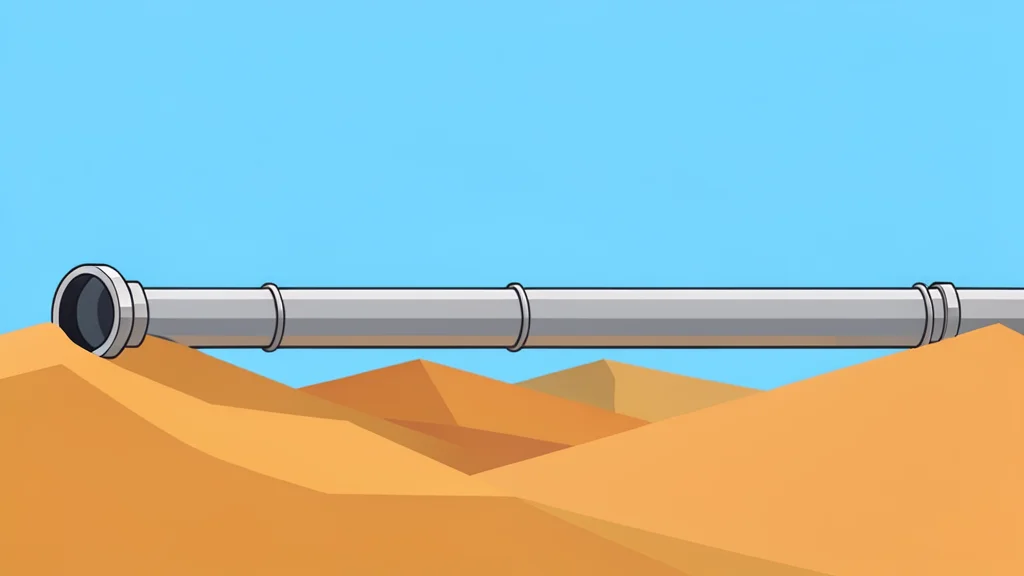
US Energy Secretary Chris Wright stated that Saudi Arabia's East-West pipeline could resume operations within days. This development aims to restore a critical route for 4 million to 5 million barrels per day, bypassing the Strait of Hormuz.
US Energy Secretary Chris Wright stated that Saudi Arabia's East-West pipeline could resume operations within days. This announcement provides a concrete timeline for restoring a route that moves 4 million to 5 million barrels per day. The line bypasses the largely closed Strait of Hormuz. The pipeline shut down after an attack damaged the system last week. Saudi officials are currently assessing the extent of the damage. Wright indicated that repairs would take days rather than weeks. This is a significant shift from earlier estimates of several weeks for restoration.
The East-West line carries roughly 4% to 5% of global oil supply. It transports crude to the Red Sea port of Yanbu. This route offers Saudi Arabia an outlet while Hormuz traffic remains constrained. The outage threatened to deplete export-ready inventories at Yanbu. Some disruption has already reached international buyers. Saudi Aramco canceled or delayed late-September crude cargoes to European refiners. Poland’s Orlen has shifted to buying North Sea crude and US WTI Midland. No Saudi crude departed Yanbu since September 11, according to Vortexa data cited by Argus.
Saudi Exports Hit Decade Low
Saudi crude supply fell to 6 million barrels per day in August. This represents a drop of 2.3 million barrels per day on the month. The International Energy Agency reported this as the lowest level in more than three decades. The pipeline shutdown pushed crude prices higher on Monday and Tuesday. Brent crude climbed above $108 per barrel. Traders priced in the potential loss of this supply. The market reaction reflects the tightness in global inventories.
Military Aid Supports Hormuz Traffic
Wright said Saudi Arabia is trying to move more crude through Hormuz. The US military is providing assistance for this effort. A restart within days would restore a high-capacity route. It would reduce reliance on the Strait of Hormuz. This move would arrive before Yanbu inventories become the next constraint. The combination of pipeline repair and Hormuz traffic aims to stabilize supply. These actions address the immediate gap in global oil availability.
Market Reaction To Supply News
The news of a potential quick restart impacts price expectations. Traders are monitoring the repair timeline closely. The source GN auto markets/energy: crude oil prices notes the volatility. The shift from weeks to days changes the supply outlook. This could ease pressure on alternative crude sources. European refiners may resume Saudi deliveries if the line opens. The global market remains sensitive to any changes in Gulf export capacity.