Strait of Hormuz Attacks Revive Crude Risk Premium
A confirmed projectile strike on a tanker in the Strait of Hormuz has reignited pricing pressure on crude oil, coinciding with stalled regional diplomacy and the closure of the Saudi East-West pipeline.
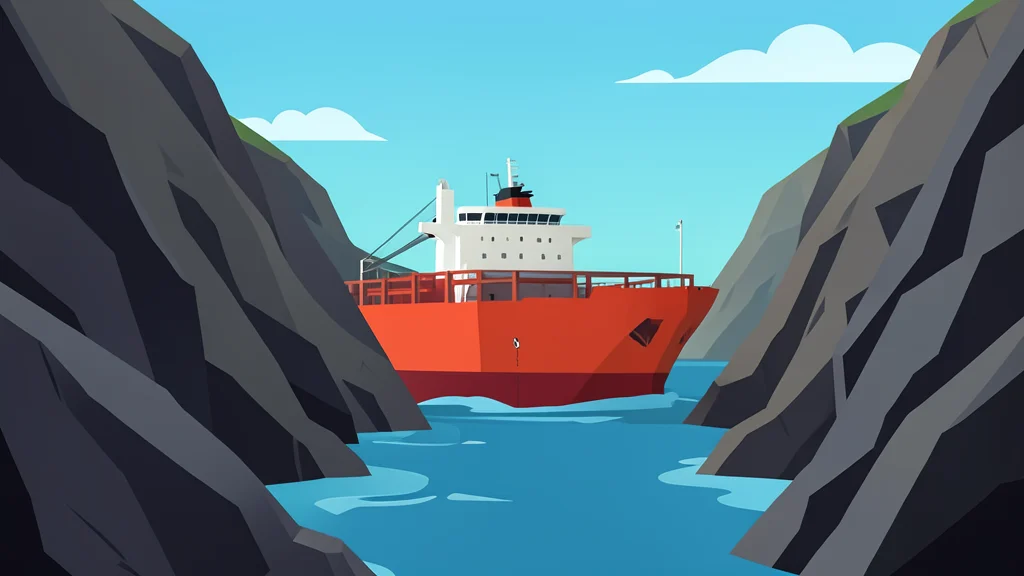
A Panama-flagged tanker caught fire after being struck by an unknown projectile in the Strait of Hormuz. The United Kingdom Maritime Trade Operations Centre confirmed the incident on Friday. A distress call was issued immediately following the impact. The Omani Navy responded to evacuate the crew. Casualty figures remain unconfirmed by independent agencies. This verified event adds to a growing list of commercial shipping strikes in the waterway.
Iranian media reported a separate attack on a cargo vessel on Sunday. One crew member was reportedly killed and three were injured. Western outlets and maritime security firms have not verified this claim. The incident remains an attributed report rather than a confirmed fact. These events occur as diplomatic efforts to secure the strait have stalled. A planned meeting between Iran and Gulf states was postponed.
Shipping volumes remain well below norms
Transit volumes through the Strait of Hormuz are currently well below pre-war levels. The recent attacks reinforce existing risk premia in the market. They do not introduce a new premium structure. The combination of a verified strike and an unverified claim sustains the narrative of escalating threat. Shipping operators continue to avoid the route despite lower traffic. The security picture remains unstable in the short term.
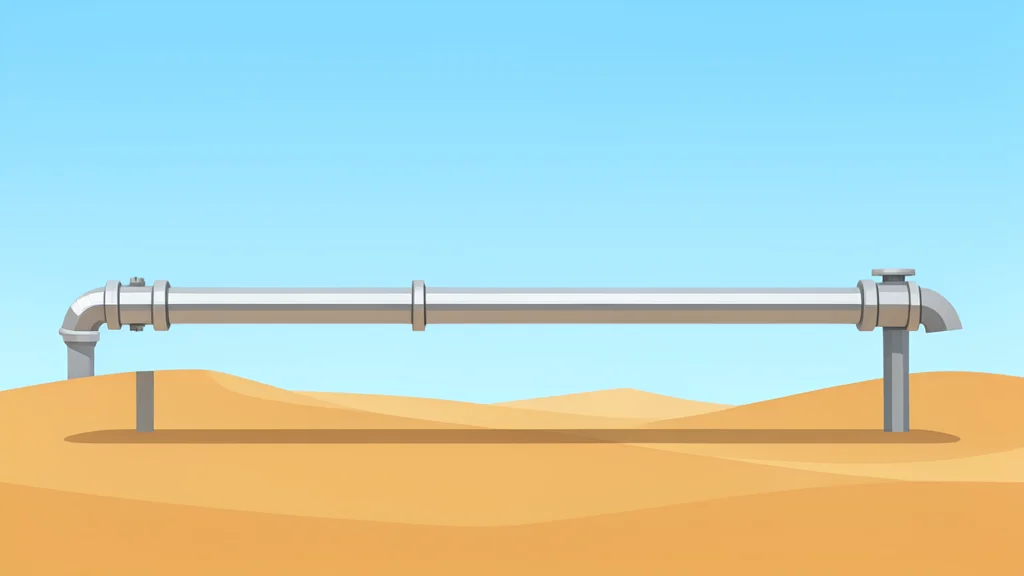
GN markets/commodities (en-US) notes that the Saudi East-West pipeline closure removed a key alternative export route. This infrastructure loss limits the ability to bypass the strait. The closure occurred following a drone attack. With this alternative route unavailable, global supply is more dependent on Hormuz transit. The loss of this hedge increases the market sensitivity to security incidents in the waterway.
Diplomatic channels stall after pipeline attack
A scheduled meeting between Iran and Gulf Arab states was postponed. The delay was requested by regional countries. Iranian President Masoud Pezeshkian stated that Iran will not surrender. This statement underscores the lack of near-term resolution. The standoff over the waterway continues without a credible ceasefire. Diplomatic progress has effectively halted in the current environment.
Crude prices maintain upside pressure
Crude oil prices jumped higher while stocks slumped on the news. The market reaction reflects the renewed threat to supply. Confirmed damage to a single tanker typically does not move crude on its own. However, the context of stalled diplomacy amplifies the impact. The risk premium remains intact until the security situation stabilizes. A credible shipping arrangement is required to reverse the pressure.