US Crude Inventories Surge by 7.1 Million Barrels
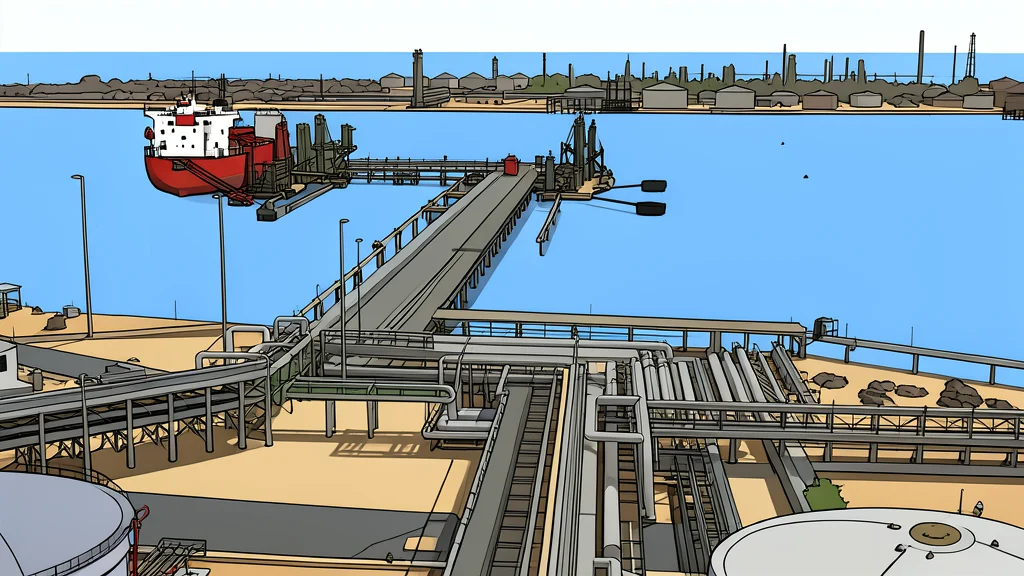
Brent crude fell 0.86% to $107.82 per barrel. This decline followed a 7.1 million barrel increase in US stockpiles. The data contradicted analyst expectations of a 1.6 million barrel drop.
Brent crude futures dropped 93 cents to settle at $107.82 per barrel. West Texas Intermediate crude declined 97 cents to $104.86 per barrel. The price action occurred on Wednesday across global energy markets.
American Petroleum Institute data showed US crude inventories rose by 7.1 million barrels. This figure covered the week ending September 11. Analysts polled by Reuters had projected a decrease of 1.6 million barrels. Gasoline and distillate stocks also increased during the same period.
Inventory data drives price decline
The unexpected stock buildup weighed on market sentiment. Haitong Futures noted that higher gasoline and diesel levels pressured prices. However, the firm stated that regional inventory growth does not alter the global supply tightness.
Traders also monitored supply risks in the Middle East. Saudi Arabia suspended shipments from the Yanbu port. This halt followed an attack on the East-West pipeline. The disruption forced traders to assess broader regional logistics.
Saudi pipeline attack disrupts flow
Yanbu shipments stopped after Iran-linked Houthis attacked the pipeline on Friday. Approximately 4 million barrels per day moved through this route. This volume represents 4% of global oil supplies. The pipeline connects inland fields to the Red Sea port.
The US energy secretary said repairs could finish within days. Other sources estimated five to six weeks for full restoration. Some analysts suggested partial pumping could resume sooner. These conflicting timelines created uncertainty in forward contracts.
Libyan output remains stable despite protests
Libya’s National Oil Corporation halted operations at three fields. Petroleum Facilities Guard protesters shut a valve on the Hamada-Zawiya line. Chairman Masoud Suleiman stated that national production remained at 1.4 million barrels per day. He confirmed that overall output was not significantly affected.
GN auto markets/energy reports that these geopolitical factors coexist with inventory data. The market is balancing immediate supply disruptions against domestic stock levels. Both elements influence short-term pricing dynamics. Traders continue to weigh these competing signals.