US Gas Prices Hit National Average of $4.44 per Gallon

The national average for gasoline reached $4.44 per gallon on Thursday. This figure marks a significant increase from pre-conflict levels and contradicts recent presidential assurances of imminent price declines.
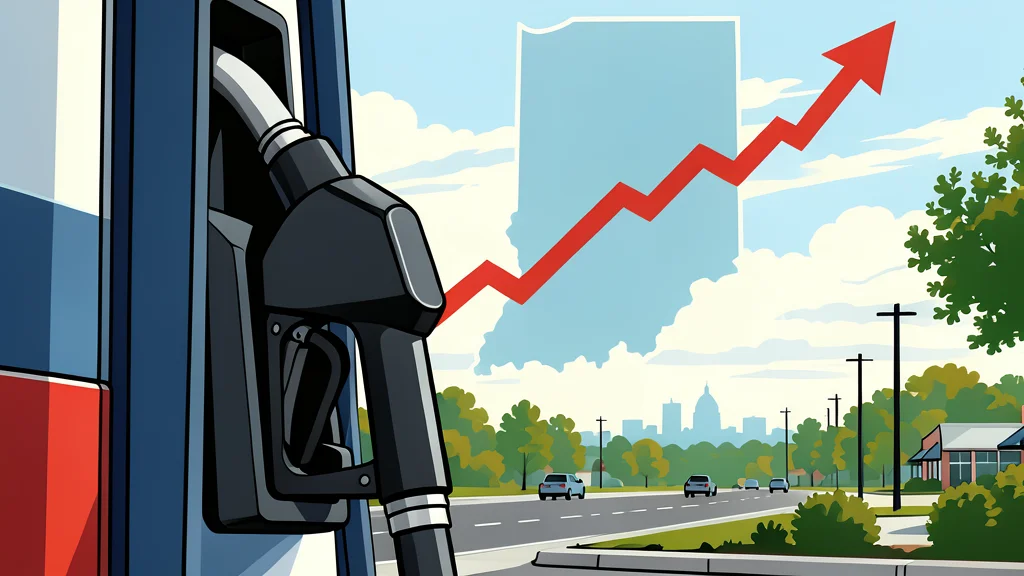
Gasoline prices in the United States climbed to a national average of $4.44 per gallon on Thursday. This level represents a sharp rise from the $2.98 per gallon average recorded before the Middle East conflict began. The price increase is now nearly 50 percent higher than the pre-war baseline.
President Donald Trump stated at a rally in North Carolina that high fuel costs are a necessary expense. He described the situation as a "very inexpensive price to pay" for geopolitical security. He predicted that prices would soon fall rapidly, using a rocket ship analogy to describe the expected drop.
Regional Price Disparities Persist
Nineteen states currently report average gas prices above the national mean. California leads the nation with a statewide average of $6.09 per gallon. This price was up from $6.04 per gallon on Wednesday and $5.90 per gallon a week earlier.
Five other states have averages above $5.00 per gallon. Washington state reports an average of $5.58, followed by Hawaii at $5.48. Nevada averages $5.19, Oregon $5.11, and Alaska $5.07.
Indiana offers the lowest nationwide average at $3.92 per gallon. Four other states remain below the $4.00 threshold. Texas is at $3.93, Mississippi at $3.94, Louisiana at $3.97, and Alabama at $3.99.
Supply Constraints Drive Costs
The price surge stems from restricted oil flows through the Strait of Hormuz. This waterway normally handles one fifth of global oil transit. Disruptions caused by the conflict have created a long-term tightening of supply.
Additional factors include the ongoing Russian invasion of Ukraine. Recent strikes by Yemen’s Houthis against Saudi Arabia have further exacerbated the situation. These events have contributed to global supply instability since late February.
Political Impact On Voters
Rising fuel costs have increased inflation in the United States since February. Higher prices at the pump are influencing voter sentiment. Data from GN auto markets/energy: gasoline prices indicates a growing disconnect between public perception and official statements.
Polls suggest that economic concerns are shifting political support. The sustained high prices are becoming a focal point for voters. This trend is particularly evident in states where prices exceed the national average.