US Strategic Petroleum Reserve Falls to 286.6 Million Barrels
The Strategic Petroleum Reserve stands at 286.6 million barrels, its lowest level since 1982. Social media claims of imminent depletion are based on flawed calculations.
The Strategic Petroleum Reserve holds 286.6 million barrels as of August 28. This figure represents the lowest stock level since November 1982. Viral social media posts claim the United States has only 14 days of oil remaining. This calculation divides the reserve volume by total daily petroleum demand of 20.7 million barrels. The methodology is fundamentally flawed. It ignores active production and commercial inventories.
The United States produces 13.9 million barrels of crude oil per day. Commercial crude inventories stand at 424.5 million barrels. Refineries process 17.5 million barrels daily. The Strategic Petroleum Reserve is an emergency buffer, not the primary source of supply. OilPrice.com notes that the reserve functions behind a continuously operating market system. The 14-day figure does not reflect actual market availability.
Reserve Levels Hit Historic Lows
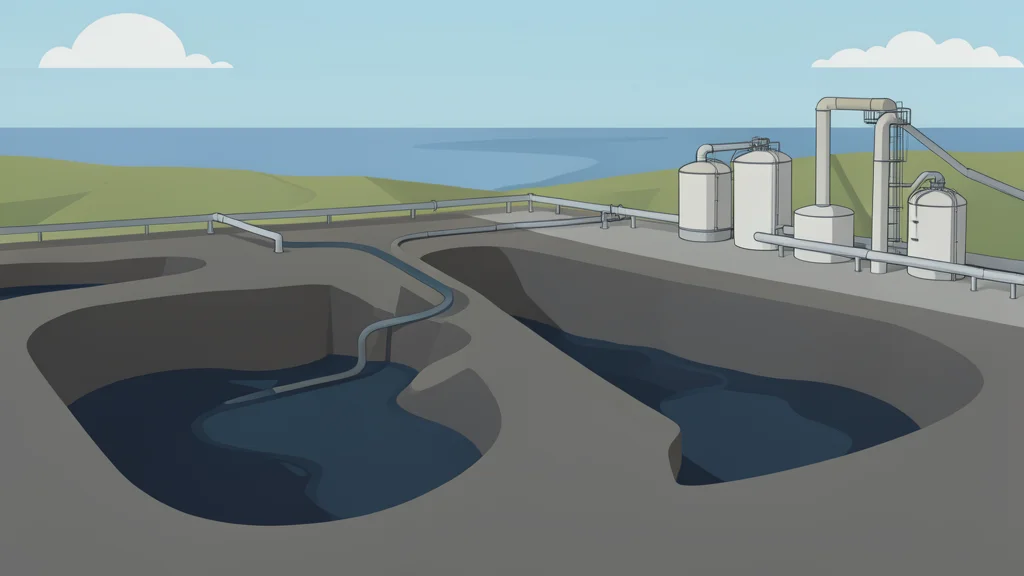
Congress authorized the reserve in 1975 following the Arab oil embargo. The design capacity is 714 million barrels. Current holdings are at 40 percent of this maximum. The reserve was created to mitigate severe supply disruptions. It is stored in underground salt caverns along the Gulf Coast. These facilities connect to major refineries and pipelines.
Inventory levels declined significantly from 2020 to 2022. The reserve held 638 million barrels at the end of 2020. By August 2025, levels had dropped to 286.6 million barrels. This reduction limits the government's ability to cushion future shocks. A smaller reserve reduces strategic flexibility during crises.
Recent Drawdowns Alter Supply Dynamics
The Biden administration released 180 million barrels in 2022. This action followed Russia's invasion of Ukraine. Brent and West Texas Intermediate prices exceeded 100 dollars per barrel. The release helped lower gasoline prices by 17 to 42 cents per gallon. The administration subsequently rebuilt the reserve to 413 million barrels by late 2025.
Current Policy Relies on Exchanges
Disruptions in the Strait of Hormuz triggered a new release in 2025. The International Energy Agency coordinated a 400 million barrel release. The United States committed 172 million barrels from the Strategic Petroleum Reserve. The reserve fell from 413.3 million barrels in April to 286.6 million barrels in August. This decline occurred in less than five months.
The current program differs from the 2022 sale. It is structured as a crude exchange. Companies receive barrels now and must return similar quality later. They must also pay a premium in additional barrels. This mechanism aims to rebuild the reserve over time. However, promised future returns do not address immediate emergency needs. The system relies on continuous market flows and policy adjustments to maintain stability.