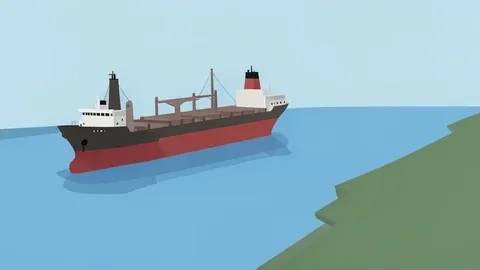
VLCC Rates Hit $1.2 Million Daily as Saudi Pipeline Restarts
Gulf tanker earnings surged to record highs despite the resumption of Saudi crude flows via the East-West pipeline.
Key points
- VLCC daily earnings on the Gulf-to-China route hit $1.2 million due to a global shortage of long-haul ships.
- Freight costs now represent at least 25% of total crude delivery expenses to Asia, up from 5% in 2025.
- Saudi Arabia's East-West pipeline restarted at low rates, with full 4 million b/d capacity potentially weeks away.
Daily earnings for VLCC tankers on the Gulf-to-China route reached $1.2 million. This surge occurred despite Saudi Arabia resuming crude exports through its East-West pipeline.
Freight costs now account for at least 25% of total delivery expenses to Asia. This figure is a significant increase from the 5% to 6% range observed in 2025.
Freight Costs Drive Market Tightness
TotalEnergies fixed a Kuwait tanker charter at $75 million last week. Similar offers have since climbed closer to $100 million for the same vessel type.
Asian refiners are shifting to smaller Suezmax vessels for long-distance voyages. This change reflects the prohibitive cost of using full-capacity tankers in the current market.
Saudi Pipeline Output Remains Limited
The 7 million barrel per day pipeline resumed pumping after an 11-day shutdown. However, pumping stations remain under repair, limiting the immediate volume available for export.
Restoring pre-attack flows of 4 million barrels per day could take six to eight weeks. This delay keeps the market in a state of structural tightness despite the restart.
Strategic Moves Reshape Supply Chain
Trafigura established a dedicated shipping firm named Volare with a fleet of 14 VLCCs. Eight newbuilds are scheduled for delivery between 2026 and 2028 to expand capacity.
TotalEnergies signed a $1.8 billion capital injection deal with BlackRock for African projects. The payment will be made as a tariff over the next 15 years, as noted by oilprice.com.