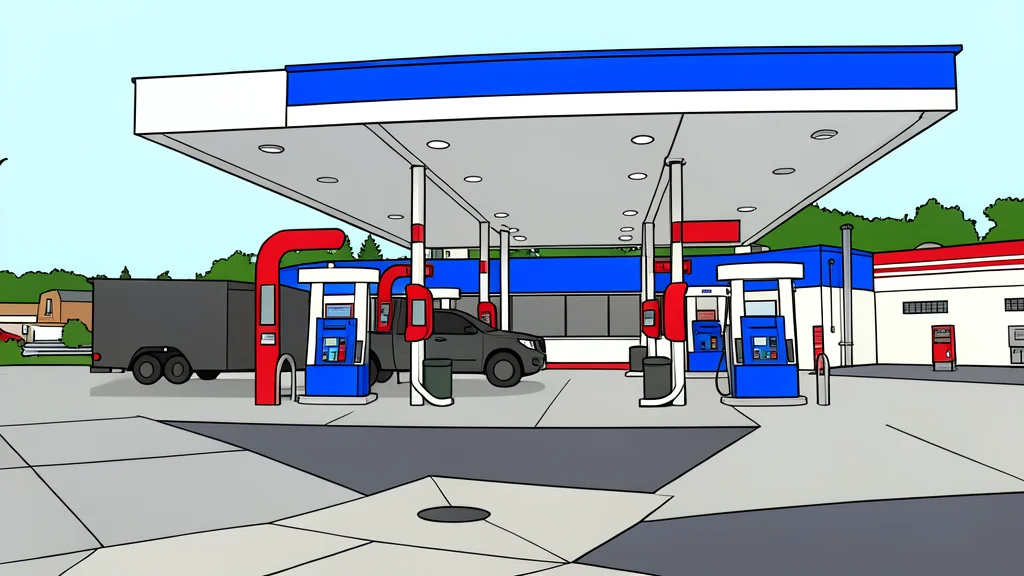
Wisconsin Gas Hits 4.34 Dollars per Gallon

Statewide average fuel costs jumped 24 cents overnight, raising monthly expenses for drivers and small business owners.
The average price for a gallon of gasoline in Wisconsin reached 4.34 dollars. This represents a 24 cent increase over a single night. Data from GN auto markets/energy: gasoline prices confirms the sharp rise. Drivers across the state now pay 33 cents more per gallon than they did one week ago. The cost is also 1.50 dollars higher than the price recorded a year ago. These figures mark the highest point in recent history for the region.
Business owners report significant financial pressure from the spike. AJ Wheeldon, who owns a property solutions firm, noted a jump from 3.87 dollars to 4.39 dollars. He states that he must pass these costs on to customers. His business relies on daily driving for snow removal and lawn care. Eskens, a professional driver, faces similar constraints. He must fuel his vehicle to complete inventory routes at various stores. There is no option to reduce driving frequency.
Monthly costs rise for vehicle owners
The impact is visible in monthly fuel budgets. The average driver of a Ford F-150 pays nearly 30 dollars more per month. This is compared to the cost one month ago. The increase stands at 100 dollars per month versus last year. These figures assume standard usage patterns for the state's most popular vehicle. The cost burden is direct and immediate for owners.
Drivers face limited alternatives
Consumers in Milwaukee report prices near 5 dollars per gallon. Marcus Talley in Appleton noted a 20 dollar purchase for four gallons. He was unaware of the price before starting the pump. The lack of transparency at the nozzle is a common complaint. Drivers describe the situation as an unavoidable reality. They continue to fill their tanks despite the higher expense.
Small businesses absorb fuel expenses
Wheeldon states that he cannot suspend operations to wait for price drops. His business requires daily movement of equipment and personnel. He identifies uncertainty as a major operational risk. The cost of fuel is now a primary variable in his pricing. He has adjusted his service rates to maintain viability. This trend is likely among other service providers in the state.