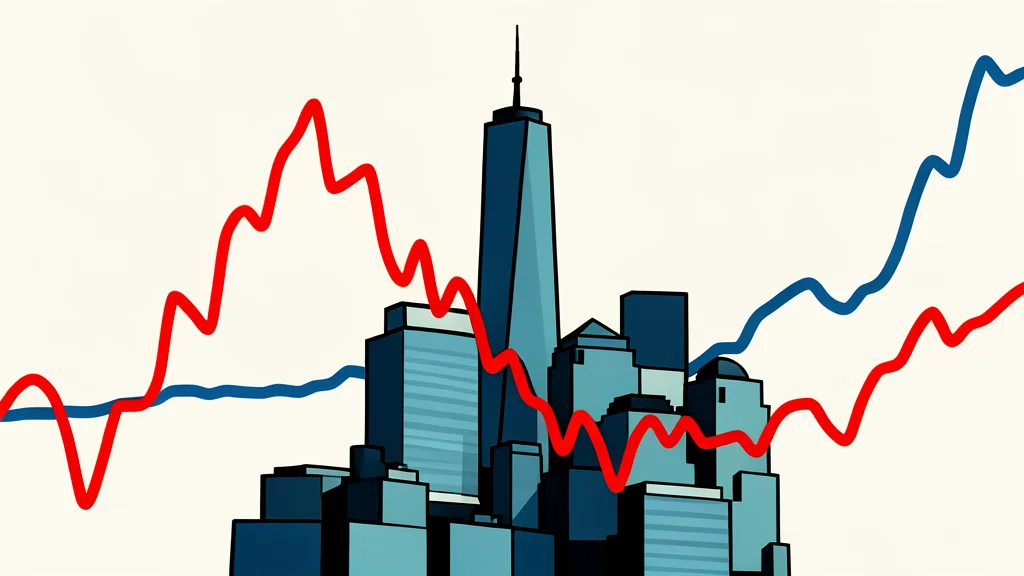
Bond Yields Hit 5.04% as Equity Risk Shifts
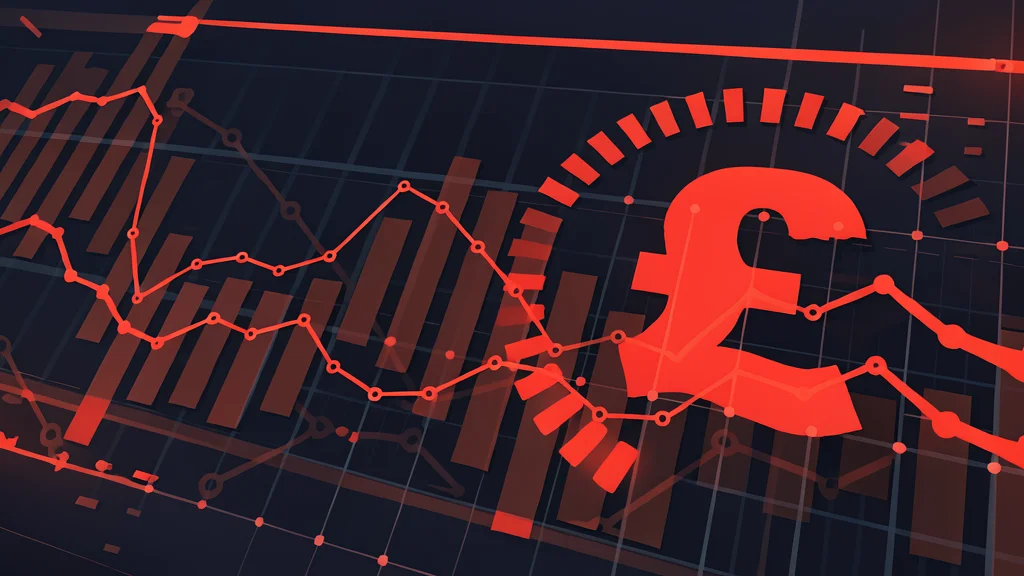
The US 10-year Treasury yield reached 5.04%, its highest level since 2007. This rise has displaced AI as the primary tail risk for fund managers.
The US 10-year Treasury yield reached 5.04% this week. This is the highest level recorded since 2007. The market has shifted its primary concern away from artificial intelligence. Bond yields are now the dominant risk factor for investors.
A recent survey by Bank of America highlights this change in sentiment. Thirty-three percent of global fund managers cite rising yields as their biggest tail risk. This figure increased from 27% in August. The shift reflects a broader reassessment of asset valuations.
Yields pressure equity valuations and borrowing costs
Higher government bond yields change the risk-return equation for stocks. Investors demand higher returns from equities to justify the risk. Share prices must fall to meet these new expectations. This creates direct downward pressure on market multiples.
Rising yields also increase the cost of debt for corporations. Higher interest payments reduce net income and limit capital expenditure. This dynamic weighs on sales and profit margins. The AI sector is particularly exposed to this mechanism.
Many data center projects rely on debt financing. Investments that appear attractive at low rates lose appeal as borrowing costs rise. This mirrors the financial pressure seen in the energy sector in 2022. The market faces simultaneous pressure on earnings and valuations.
Insurance sectors benefit from higher reinvestment rates
Some investors view insurance stocks as a hedge against rising rates. Insurers hold large portfolios of fixed-income assets. Higher yields allow them to reinvest at better rates. This improves adjusted net investment income and tangible book value.
Chubb reported a P&C combined ratio of 83.8% in Q2 2026. This figure improved from 85.4% in the previous period. The company generated $1.94 billion in underwriting income. Adjusted net investment income rose 11.4% to $1.88 billion.
The portfolio is now reinvested at a 5% rate. This supports the company’s financial performance. CEO Evan Greenberg emphasized a strict underwriting discipline. Chubb avoids taking on policies that are likely to result in losses.
Berkshire Hathaway holds significant Chubb stake
Berkshire Hathaway has been a buyer of Chubb shares since early 2024. Warren Buffett’s firm now owns roughly 9.3% of the company. This stake ranks as a top-10 holding for the conglomerate. The position reflects confidence in the insurer’s risk management.