Dow Jones Slips Below 51,800 as Bank Stocks Fall
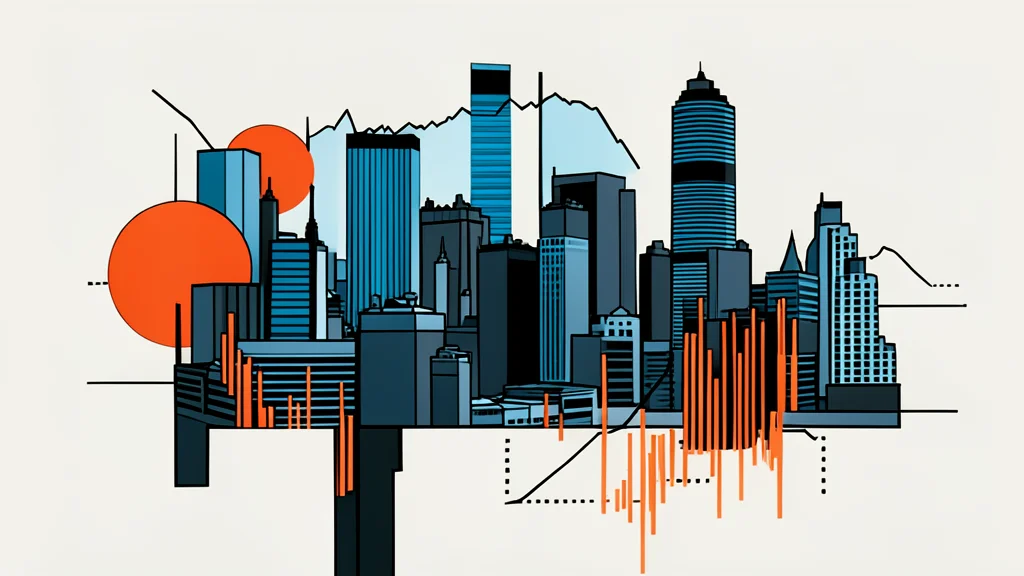
The Dow Jones Industrial Average retreated from a weekly high to near 51,800 as capital rotated into technology.
Key points
- The Dow Jones Industrial Average trades near 51,800 after reversing from a weekly high.
- Brent crude oil hit its lowest level since September 8 on reports of an Iran deal.
- The Federal Reserve is expected to decide on another rate hike on October 28.
The Dow Jones Industrial Average fell below its pre-market high to trade near 51,800. This drop followed a rotation of funds from financials into technology stocks.
The index hit its highest level since September 14 before reversing. Bank shares declined while the NASDAQ Composite tested record highs. FXStreet notes this divergence stems from differing index weightings.
Banking sector loses ground to tech
Traders moved money into artificial intelligence applications, boosting technology names. JPMorgan Chase shares fell despite the bank raising its rating on Meta. Meta is not in the Dow, so its gains did not help the index.
The Dow uses price weighting, making high-priced stocks more impactful. A one-dollar drop in Goldman Sachs costs more points than in JPMorgan. This structure amplifies the effect of selling in expensive financial names.
Oil prices hit September lows
Brent crude reached its lowest level since September 8. Reports suggest Iran may reopen the Strait of Hormuz within seven days. This potential deal depends on the US lifting its port blockade.
President Trump expects a final Iran deal after the November 3 midterms. He stated this agreement would push oil prices below prewar levels. Chevron, the only energy producer in the Dow, faces lower revenue.
Federal Reserve decision looms in October
The Fed raised rates to 3.75-4.00% on September 16. JPMorgan subsequently raised its prime rate to 7.00%. Most officials expect at least one more increase before year-end.
The next rate decision occurs on October 28, six days before the midterms. Higher borrowing costs hurt lending-focused banks more than investment banks. Goldman Sachs, which focuses on M&A, is less affected by rate hikes.