JPMorgan Shifts India Power Call to Large-Cap Utilities
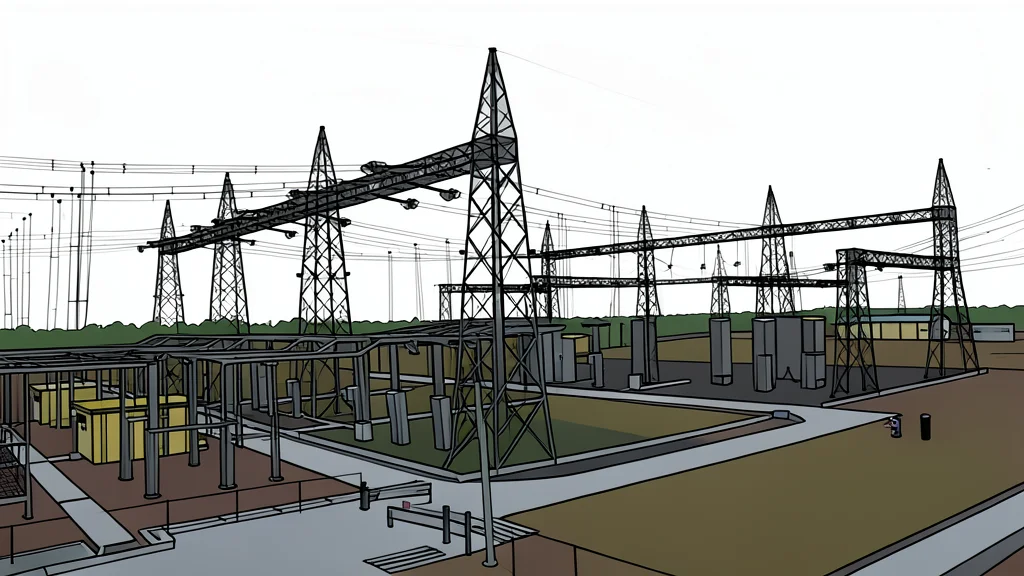
JPMorgan advises investors to favor large-cap power utilities over equipment suppliers due to elevated valuations in the latter segment.
Key points
- JPMorgan prefers large-cap regulated utilities over equipment suppliers due to elevated valuations in the equipment sector.
- India's electricity demand grew 10-12% since March, exceeding the historical average of 5%.
- Data center capacity is expected to rise from 1.5 to 8-9 gigawatts over the next five years.
JPMorgan advises investors to prioritize large-cap power utilities over equipment suppliers. The bank argues that equipment stocks have become too expensive for the current risk profile. This shift reflects a strategic move toward more defensive business models in the sector.
Atul Tiwari, Head of India Industrials Research, stated that market pricing already accounts for equipment growth. He noted that regulated utilities offer better value with sufficient upside potential. This preference is based on the current comfort level of valuations in the utility space.
Power demand growth outpaces historical averages
India's electricity demand has increased by 10 to 12 percent since March. While part of this rise is seasonal, the trend is significant. Long-term demand growth is now running above the historical average of five percent.
This surge creates opportunities across generators, transmission firms, and renewable companies. However, JPMorgan views valuation as the key differentiator. Investors must distinguish between sectors where prices reflect future growth and those that do not.
Data center expansion drives capital spending
Private corporate capital expenditure grew 10 to 11 percent year-on-year. This growth aligns with nominal gross domestic product trends in the fiscal year. Strong pipelines exist in thermal power, renewable transmission, and semiconductors.
Central government infrastructure spending rose 25 to 30 percent in early months. This growth is expected to normalize to 10 to 12 percent annually. Data center capacity is projected to expand from 1.5 to 8.9 gigawatts.
Smaller generators benefit from price gaps
JPMorgan identifies opportunities in smaller power generation companies. These firms supply power directly to commercial and industrial customers. Data center expansion increases the need for reliable power sources.
Higher merchant power prices during non-solar hours benefit specific generators. Companies with battery storage capacity can exploit daytime and evening price differences. This flexibility provides a competitive advantage in the merchant market.