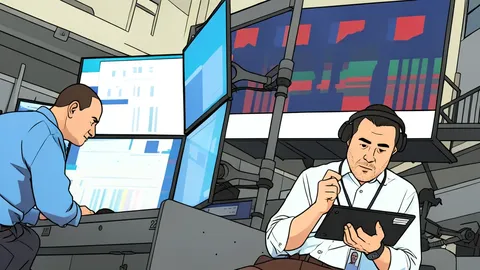
S&P 500 Falls 0.27% as Oil Prices and Treasury Yields Climb

Wall Street slipped on rising energy costs and bond yields. Investors await Xi Jinping's Washington visit and Fed commentary.
Key points
- S&P 500 fell 0.27% to 7,743.98 as Brent crude rose over 1% and Treasury yields increased.
- The Philadelphia Semiconductor Index dropped 1.5% while Meta Platforms shares gained 1.5% following AI news.
- Traders assign a 50% probability to a 25 basis point rate hike next month amid rising business activity.
The S&P 500 index dropped 20.66 points to 7,743.98 in early Tuesday trading. This decline followed a sharp rise in Brent crude oil prices and US Treasury yields. Investors reacted to renewed inflation risks from higher energy costs and tighter financial conditions. The Dow Jones Industrial Average fell 142.45 points, or 0.27%, to 51,721.24.
The Nasdaq Composite lost 114.33 points, or 0.41%, to 27,133.38. These moves reversed some of the optimism seen in recent sessions regarding technology stocks.
Brent crude rose by more than 1% after five consecutive sessions of declines. Prices remained near a two-week low despite the recent uptick. Yields on two-year and 10-year US Treasury bonds also increased during the session. This trend heightened market concerns that high borrowing costs would remain elevated for longer. Sam Stovall, Chief Investment Strategist at CFRA Research, noted the market is in a state of uncertainty. He cited the simultaneous rise in bond yields and oil prices as key drivers of this volatility.
Chipmakers Drop as Semiconductor Index Falls
Shares of major chipmakers came under pressure during the trading session. AMD, Nvidia, and Intel all fell in value. The Philadelphia Semiconductor Index lost 1.5% of its value. This decline occurred despite the Nasdaq reaching a record intraday level the previous day. Optimism surrounding artificial intelligence remains a dominant theme on Wall Street. However, investors are reassessing valuations in the technology sector amid broader macroeconomic headwinds.
Meta Platforms shares rose 1.5% in contrast to the chipmaker decline. The stock has gained more than 10% since the beginning of the week. This performance follows a positive investor reaction to the Muse AI assistant. Analysts believe this development supports companies linked to technology infrastructure. It also intensifies discussions about the impact of artificial intelligence on specific market segments. Financial sector stocks stabilized after recording their biggest one-day decline since March on Tuesday.
Diplomatic Talks Shape Market Expectations
Market participants are closely watching diplomatic developments in Washington. Chinese President Xi Jinping is expected to arrive for a state visit on September 23. Topics for the meeting include extending the trade truce reached last year. Regulating artificial intelligence and US arms sales to Taiwan are also on the agenda. Xi Jinping is expected to meet with executives from General Motors, Meta Platforms, Apple, Amazon, and Tesla. Mediators also began talks on ending the Middle East conflict on the sidelines of the UN General Assembly.
Fed Signals Support Higher Rates
Federal Reserve Governor Michael Barr is scheduled to speak later in the day. Investors are analyzing his remarks for signals about the future course of monetary policy. Rising corporate spending on artificial intelligence and higher energy costs have prompted Fed officials to discuss keeping interest rates restrictive. This follows the decision to raise rates last week. According to the FedWatch tool, traders see a 50% probability of an interest-rate increase of at least 25 basis points next month. A separate survey showed US business activity rose in September to its highest level in more than five years.
Inflationary pressures intensified alongside the rise in business activity. This data supports the argument for maintaining higher interest rates. The combination of strong economic data and rising energy costs complicates the outlook for monetary easing. Market participants are weighing these factors against diplomatic risks and trade tensions. The overall sentiment remains cautious as investors await further clarity from policymakers and international leaders. This uncertainty is reflected in the mixed performance across various sectors.