TSX Falls 0.2% as Bond Yields Rise
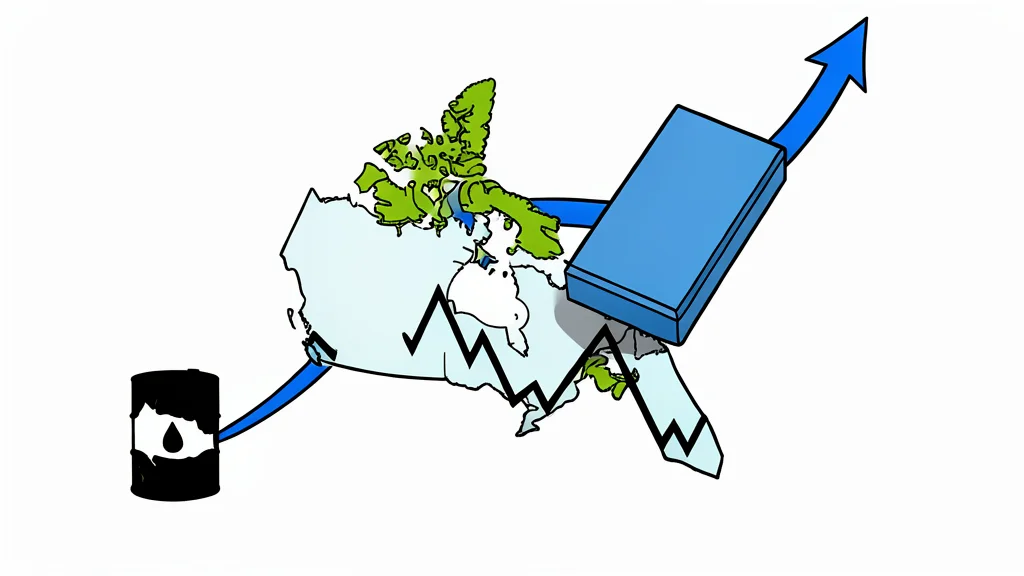
The S&P/TSX Composite index closed lower on Friday, pressured by climbing long-term borrowing costs and a drop in crude oil prices.
The S&P/TSX Composite index closed down 0.2% at 35,804.86 on Friday. This drop occurred despite a 0.3% gain recorded over the previous week. Rising bond yields were the primary driver of the session's negative sentiment. Higher long-term borrowing costs reduced the present value of future corporate profits. This dynamic made equities less attractive to investors relative to fixed-income assets.
Energy stocks fell 0.7% during the trading session. US crude oil futures settled 1.6% lower at $100.30 per barrel. This price action followed news regarding Saudi supply and geopolitical risks in the Middle East. Defensive sectors also underperformed, with consumer staples down 1.2%. Industrials declined by 0.9%, reflecting broader pressure on rate-sensitive groups. The source GN auto markets/bonds: bond yields noted that these moves align with rising discount rates.
Bank of Canada Hike Expectations
Market participants priced in a 65% probability of a rate hike by the Bank of Canada next month. This expectation created a split performance across the index. Financial services stocks rose 0.2% against the broader market trend. Banks benefit from higher expected policy rates because loan yields reprice faster than deposit costs. This widening net interest margin supports earnings projections for major Canadian lenders.
Conversely, higher yields weighed on sectors with slower asset repricing. Consumer staples and industrials led the decline due to squeezed valuations. Borrowing conditions tightened as long-term rates climbed. This environment discourages capital expenditure and consumer spending in rate-sensitive industries. The divergence between banks and other sectors highlights the mixed impact of rising rates.
Oil Prices Impact Energy Sector
The 1.6% drop in US crude prices directly affected Canadian energy equities. Oil companies faced reduced revenue expectations as benchmark barrels fell below key levels. Geopolitical headlines added volatility to the commodity markets. Investors adjusted positions in response to shifting supply outlooks from Saudi Arabia. This sector's weakness contributed significantly to the overall index decline.
The combination of higher yields and lower oil prices created a headwind for growth stocks. Companies with high debt loads faced increased financing costs. Margins for energy producers compressed as commodity prices softened. The market's focus remains on the interplay between monetary policy and global energy supply. These factors will continue to drive volatility in the TSX Composite.