India Rejects Brics Currency, Prioritizes Local Settlements
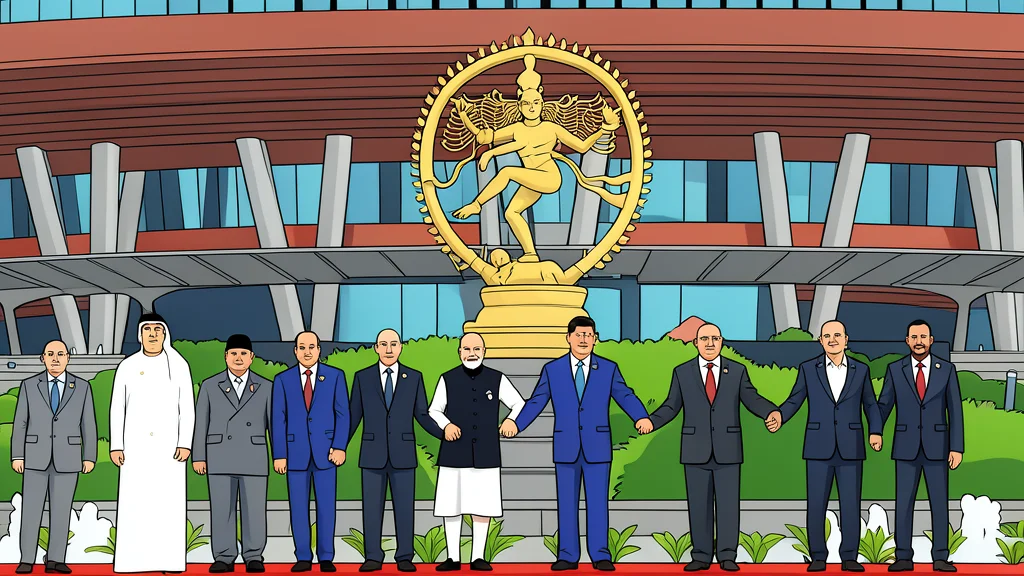
India confirms no common Brics currency exists. The focus remains on bilateral local currency trade to cut costs.
India has ruled out the creation of a common Brics currency. The government confirmed there is no active proposal for a single regional monetary unit. This clarification comes directly from official sources in New Delhi. The stance maintains the current global financial architecture.
Officials emphasized that local currency settlements remain the priority. These bilateral mechanisms aim to reduce transaction costs. They are designed to complement, not replace, existing systems. The New Delhi Declaration supports this pragmatic approach to trade.
Official stance on monetary union
Sudhakar Dalela, secretary of economic relations, stated the lack of a currency proposal. He spoke after the 18th Brics Summit in New Delhi. Dalela noted that local currency discussions are not new. He described them as a long-standing initiative within the group.
The ministry views local settlement as a practical tool. It helps reduce costs in bilateral trade. The system is intended to improve global trade efficiency. It does not seek to challenge the US dollar's dominance.
Payment systems and interoperability
The Brics Payment Task Force is studying cross-border channels. The goal is to create fast and low-cost solutions. The declaration encourages transparent and safe payment mechanisms. These efforts aim to make trade more accessible for all members.
Leaders at the Brics Business Forum stressed economic cooperation. Prime Minister Narendra Modi and President Vladimir Putin attended the session. Iranian President Masoud Pezeshkian advocated for national currency use. He called for mechanisms to manage currency risks.
Geopolitical context and trade barriers
US President Donald Trump has warned against reducing dollar reliance. He threatened punitive tariffs on countries challenging the US currency. India's current approach avoids direct confrontation with these warnings. The strategy focuses on bilateral efficiency rather than systemic disruption.
The New Delhi Declaration criticized unilateral tariffs. It warned that trade restrictions disrupt global supply chains. The group opposed discriminatory measures like carbon border adjustments. These measures disproportionately affect developing economies. According to GN markets/fx (en-US), the geopolitical landscape remains complex. The group seeks to protect its trade interests while maintaining stability.