Mrs. Watanabe and the Mechanics of Yen Carry Trade

Retail traders in Japan hold a collective position that rivals institutional funds. Their activity creates a distinct flow in currency markets.
Japanese retail investors maintain a net short position in the yen that often exceeds $100 billion. This aggregate exposure is larger than the open interest of many top-tier hedge funds. The market refers to this collective entity as Mrs. Watanabe. The nickname originates from a generic Japanese surname used to describe the average retail trader.
These traders borrow yen to invest in higher-yielding assets abroad. The strategy relies on the low interest rates in Japan. They capture the interest rate differential. This mechanism defines the yen carry trade. The strategy remains active despite market volatility.
Retail Flow Influences Institutional Pricing
Institutional desks monitor retail sentiment closely. The volume of orders from individual traders impacts liquidity. Large net short positions can suppress the yen value. This effect is visible during periods of global risk appetite. The market reacts to the unwinding of these positions.
Market Volatility Tracks Position Changes
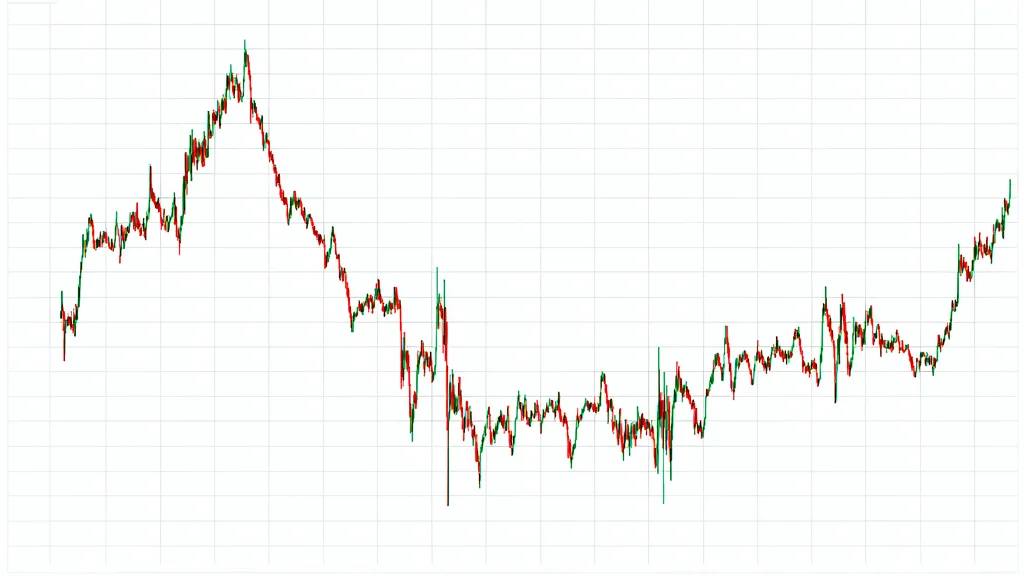
Sharp moves in the yen often correlate with retail rebalancing. When traders close their short positions, the yen strengthens. This rapid appreciation can trigger stop-loss orders. These automated sales amplify price movements. The resulting volatility affects global risk assets.
Regulatory Data Tracks Retail Activity
The Bank of Japan publishes data on speculative positions. This data includes the net speculative balance of retail investors. Analysts use this figure to gauge market sentiment. The source GN auto markets/forex: currency markets tracks these shifts daily. The data provides a clear signal of retail conviction.