Auckland Adds 91,000 Homes Through Rezoning

Auckland increased its housing stock by 18 percent between 2016 and 2024. This growth followed a policy shift allowing multiplexes on single-family lots.
Auckland, New Zealand, added 91,000 new housing units between August 2016 and August 2024. This represents an 18 percent increase in the city's total housing stock. The growth resulted from a municipal policy change that permitted higher-density construction on existing residential land.
The city previously faced steep price increases due to limited supply. Population growth outpaced construction capacity. A recent study in Policy Quarterly identifies the Auckland Unitary Plan as a primary driver of the subsequent supply expansion.
Rezoning drives density growth
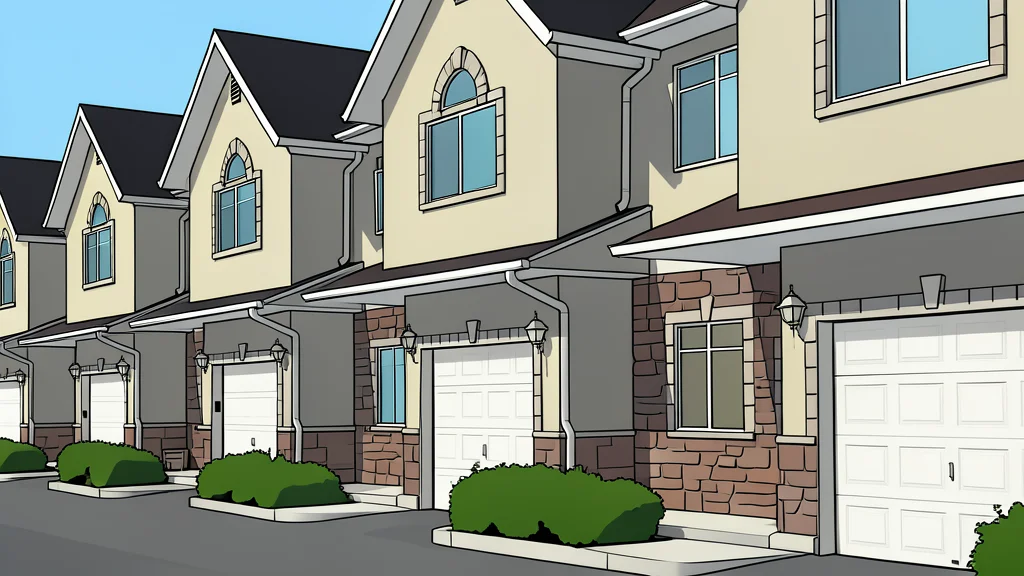
The Auckland Unitary Plan allowed rezoning of 75 percent of residential land. Former single-family zones became eligible for multiplexes and townhouses. Construction data shows a clear acceleration in housing stock growth starting in 2018.
Researchers estimate that nine new dwellings were added for every single detached home demolished. This infill development model replaced low-density structures with higher-density units. The approach directly addressed the gap between population growth and housing availability.
Population pressure fueled demand
New Zealand's population grew from 1.3 million in 2010 to 1.8 million in 2025. This rapid increase created acute competition for existing homes. The city could not build enough new units to match the demographic shift.
High income earners are leaving the country, which may have dampened demand. However, the primary lever for affordability was the increase in supply. The policy shift focused on maximizing land use efficiency rather than expanding the urban footprint.
Canada sees similar policy shifts
Canadian cities have adopted similar missing-middle housing initiatives. A 2025 report from the Canada Mortgage and Housing Corporation tracked construction in six major cities. Missing-middle housing starts jumped 44 percent between 2023 and 2024.
Calgary and Edmonton led this recent surge in construction activity. Toronto, Montreal, and Vancouver showed less pronounced uptake during the same period. Total housing starts in these six cities declined, indicating a shift toward specific density types.