California Prop 37 Proposes $25 Billion for New Home Down Payments
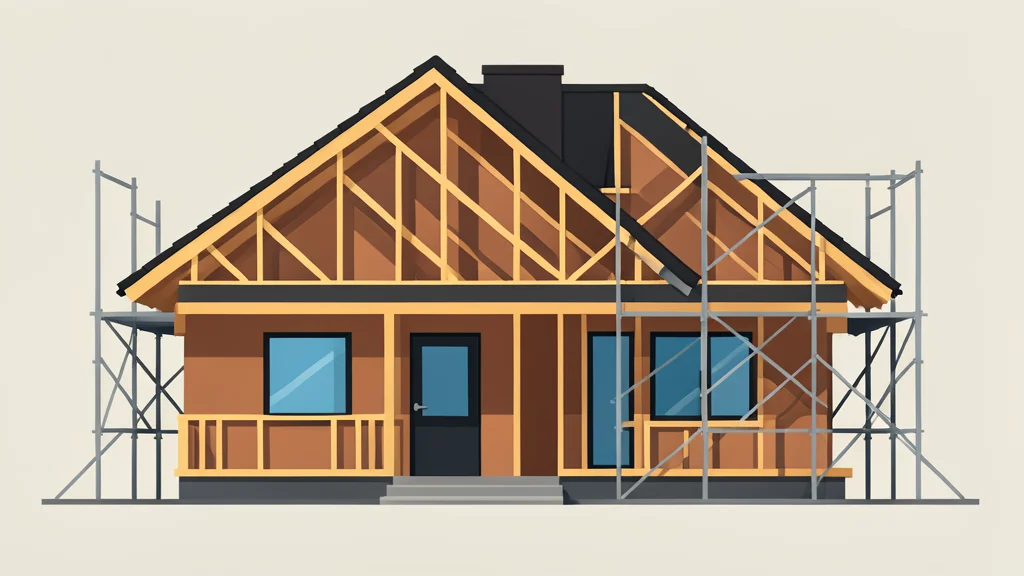
California voters face a $25 billion bond measure to subsidize down payments on new construction homes.
Key points
- Proposition 37 authorizes $25 billion in bonds for second mortgages on new homes.
- Eligible buyers must earn under 200% of area median income and pay 3% down.
- Cayimby.org argues the demand-side subsidy may not increase housing supply.
California voters will decide on Proposition 37, a $25 billion bond measure. The plan funds second mortgages for first-time buyers of new homes. Cayimby.org reports the organization issued no formal recommendation.
Bond mechanics and eligibility rules
The state would issue up to $25 billion in revenue bonds. These funds cover up to 17% of a home’s purchase price. Buyers must pay at least 3% down and live in California for a year.
Income limits cap eligibility at 200% of the area median. Home prices cannot exceed 125% of the county conforming loan limit. Buyers must move in within 60 days of closing.
Supply constraints limit subsidy effectiveness
Cayimby.org argues demand-side subsidies worsen affordability in tight markets. California has a severe shortage of available homes. Injecting more money often drives prices higher without creating new supply.
The proposal restricts funds to newly built homes only. This includes single-family houses, townhomes, and condos. Theoretically, this directs demand toward new construction projects.
Unlikely to stimulate new construction
Builders already face strong demand for new ownership housing. Bidding wars are common in the current market. Therefore, Prop 37 is unlikely to encourage more building.
Subsidies might raise prices specifically for new homes. This could induce builders to expand output in marginal areas. However, non-subsidized buyers would pay higher prices for new units.