Median Home Price Hits 5.4 Times Income

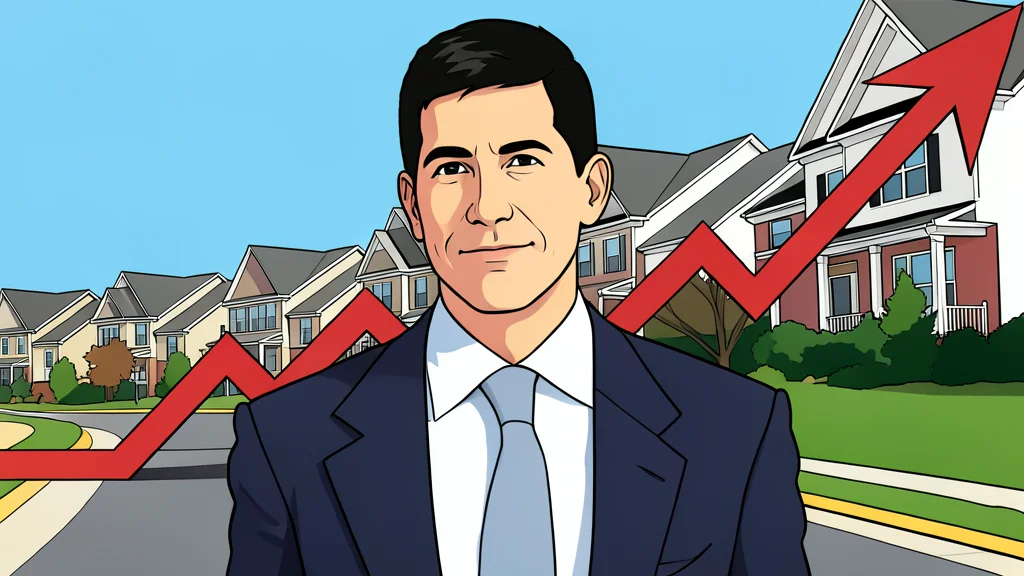
Existing home prices have risen 54 percent since 2020, creating a affordability gap that places the median property at 5.4 times the average household income.
The median price for existing homes exceeds $400,000. This figure stands at 5.4 times the median household income. Annualized monthly costs for mortgaged homes reach 50 percent of income in major US cities. The median household in Miami earns $62,000 annually. Their monthly housing costs push $2,900. Los Angeles residents earn $82,000 and pay $3,500 per month. This equals 51 percent of their annual earnings. New York and New Orleans show similar strain with housing costs consuming 49 and 47 percent of income respectively.
Mortgage rates remain above 6 percent. The monthly cost for the median-priced home reached $3,100 by late 2025. This requires an annual income above $120,000 to afford. In early 2020, the same cost was $1,700 with a required income of $66,000. Existing-home sales are at a three-decade low. Harvard’s 2026 report confirms these trends. The supply constraints in major metros prevent price adjustments.
Federal Reserve Purchases Inflated Prices
The Federal Reserve entered the mortgage market during the pandemic. Agency MBS holdings rose 93 percent in two years. By mid-2022, the Fed held $2.7 trillion in these assets. This represented 32 percent of the entire agency market. The Dallas Fed attributed historic low mortgage rates to these purchases. Mortgage spreads tightened, allowing buyers to finance larger principal balances.
Cheaper credit increased purchasing power for existing buyers. This demand pushed prices up in a constrained supply market. Current homeowners saw asset values rise. Prospective buyers faced higher entry costs. When the Fed raised rates to fight inflation, the effects compounded. New buyers now face both higher prices and higher financing costs.
Uneven Financial Benefits Distort Entry
The distribution of these benefits was not uniform. New money enters the economy at specific points. Early recipients benefit before prices adjust. This dynamic favors those already in the housing market. It creates a barrier for those outside. The Cant Effect describes this punctual injection of capital. It changes relative prices in favor of early participants.
GN auto markets/housing: mortgage rates data reflects this structural shift. The policy intervention capitalized cheap credit into higher home prices. This enriched current holders while raising costs for new entrants. The result is a market where affordability has deteriorated significantly. The gap between income and housing costs widens. Existing sales remain depressed due to these financial barriers.