New-Home Mortgage Applications Hit 2026 Low
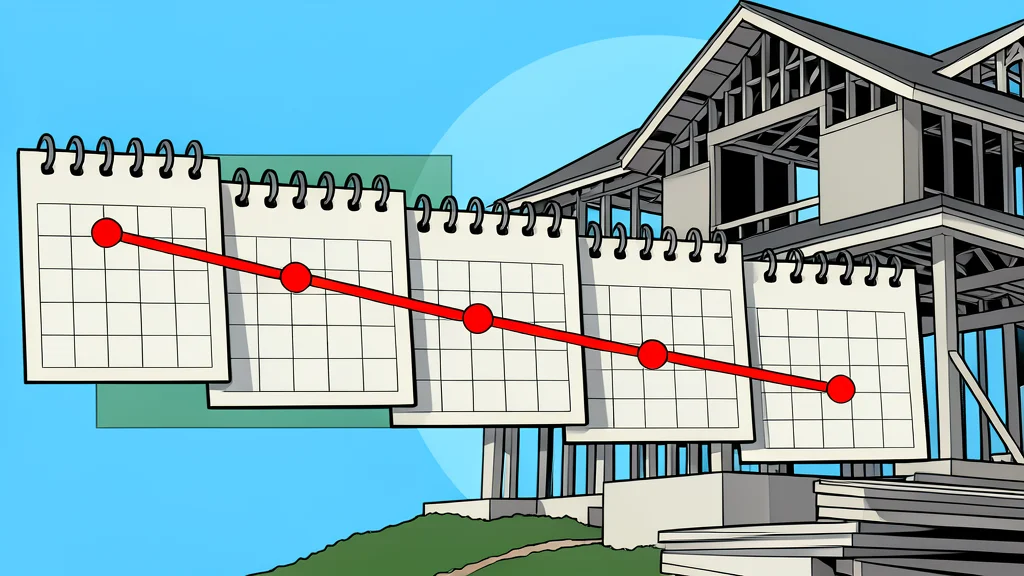
Applications for newly built homes fell 5.5% year-over-year in August, marking the fifth straight monthly decline.
New-home mortgage applications dropped 5.5% compared to August 2025. The figure also fell 6% from July 2026. This marks the fifth consecutive month of decline. August recorded the lowest application level of the current year.
Higher mortgage rates constrained buyer demand. FHA loans captured a larger share of financing. The data comes from the Mortgage Bankers Association’s Builder Application Survey.
FHA Loan Share Reaches Three-Month High
Federal Housing Administration loans accounted for 35% of new-home applications in August. This is up from 34.6% in July. It is the highest share in three months. Conventional mortgages made up 49.5% of total applications.
VA loans represented 13.9% of the volume. USDA Rural Housing Service loans covered 1.7% of applications. The average loan amount decreased to $373,194. This is down from $374,438 in July. The shift toward FHA products indicates continued payment sensitivity among buyers.
Builder Incentives Fail to Halt Decline
Ninety-three percent of builders offered some form of sales incentive in August. Thirty-five percent of builders reduced prices directly. The average price reduction was 6%. These incentives have not generated enough demand to stop the slide in applications.
GN auto markets/housing data shows that concessions remain a competitive tool. However, the underlying constraint is affordability. Five consecutive monthly declines point to a limited pool of qualified buyers. Current rates and prices exclude many potential purchasers.
Sales Pace Lags Year-Ago Levels
The MBA estimated new single-family home sales at a 664,000 unit annual rate. This is up 2.6% from July’s 647,000 pace. The estimate remains 9% below the year-ago level. Unadjusted data shows 52,000 homes sold in August.
This is down 3.7% from 54,000 in July. The seasonally adjusted estimate and unadjusted application data measure different aspects of the market. They should not be read as contradictory signals. The primary driver remains high borrowing costs limiting transaction volume.