Oshawa Rents Drop 10.8 Percent as Tariffs Hit Exposed Regions

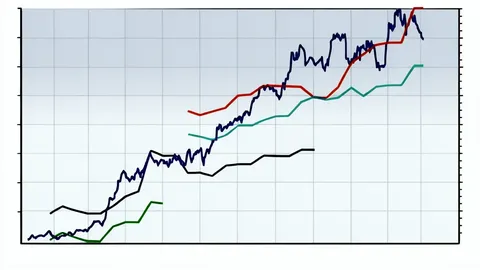
Average asking rents fell 4.8 percent nationally, but Oshawa saw a 10.8 percent drop due to high tariff exposure in manufacturing.
Key points
- Oshawa rents dropped 10.8 percent, far exceeding the national average decline of 4.8 percent over the past year.
- Calgary and Windsor are among the most tariff-exposed cities, while Vancouver and St. John’s face minimal exposure.
- Steel fabrication costs rose 2.1 percent quarter-over-quarter, with structural steel prices up 7.2 percent since early 2025.
Average asking rents in Oshawa, Ontario, fell 10.8 percent over the last year. This decline significantly outpaced the national average drop of 4.8 percent recorded by Rentals.ca and Urbanation. The report links these sharper declines directly to the intensity of tariff exposure in local manufacturing sectors.
The trade war with the United States is beginning to reshape regional housing markets. Analysts note that while construction costs have not yet fully adjusted, labor and material pressures are already visible. Communities heavily reliant on auto, steel, and aluminum production are experiencing the most immediate downward pressure on rental prices.
Regional exposure drives rent divergence
Calgary, Windsor, and Hamilton rank highest on the Canadian Chamber of Commerce exposure index. These cities face direct impacts through energy exports, automotive parts, and steel production. In contrast, Vancouver and St. John’s show minimal exposure, resulting in more stable rental prices.
Ontario and Quebec manufacturing sectors employ over 10 percent of their provincial workforces. Alberta’s resource and construction sectors have 21.4 percent of jobs exposed to trade barriers. This uneven distribution creates distinct pockets of economic stress across the national housing map.
Steel costs inflate construction inputs
The United States imposed a 50 percent tariff on imported steel. Canada responded with a matching counter-tariff, raising domestic fabrication costs by 2.1 percent quarter-over-quarter. Structural steel prices have climbed 7.2 percent since the first quarter of 2025 according to Statistics Canada.
Toronto and Vancouver face the highest risk from these rising input costs. Their housing stock relies heavily on high-rise construction using steel and rebar. With few new condo projects underway, these cities are doubly exposed to supply-side price shocks.
Job cuts pressure landlord pricing
Tariff-exposed industries are implementing hiring freezes and reducing work hours to cut costs. This uncertainty keeps renters in their current units rather than moving to new leases. Landlords respond by offering lower rents or additional concessions to secure occupancy.
Purpose-built rental development has slowed significantly since its 2021 peak. Developers face a dual challenge of falling rents and rising material costs. Many projects are being shelved or cancelled due to the combined financial pressures described in the BNN Bloomberg report.