Seoul Apartment Prices Rise for 84 Weeks Straight
Seoul housing prices have risen for 84 consecutive weeks. Experts predict rents will climb further next year.
Key points
- Seoul apartment prices have risen for 84 consecutive weeks, reaching the longest recorded streak.
- 92% of real estate experts predict Seoul prices will continue rising until next year.
- 100% of experts expect Seoul monthly rents to increase by at least 3% by next year.
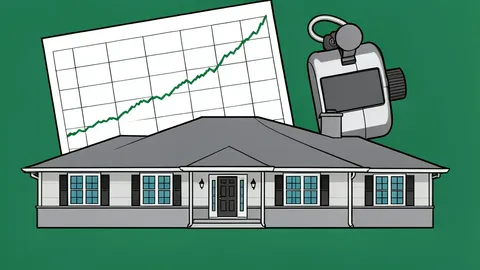
Seoul apartment prices rose 0.16 percent last week, marking the 84th straight weekly increase. This streak began in early February of last year and is now the longest in recorded history. The market continues to tighten despite recent government tax reforms aimed at cooling demand.
A survey by mk.co.kr found that 92 percent of 50 real estate experts expect prices to keep climbing. They believe the upward trend will persist until the first half of next year. The consensus reflects strong demand and limited new housing supply in the capital region.
Rental Market Faces Sharp Increases
All 50 surveyed experts predicted that monthly rent in Seoul will rise significantly by the same period next year. Forty-eight percent forecast an increase of more than 5 percent, while 40 percent expect a gain between 3 and 4.9 percent. This indicates a broad and severe tightening across the rental sector.
Jeonse deposits, the lump-sum rental model, are also under pressure. Ninety-six percent of experts expect these values to rise by more than 3 percent. Forty-four percent anticipate an increase exceeding 5 percent, signaling substantial cost shifts for tenants.
Price Gains Shift To Outer Districts
The three Gangnam districts saw prices fall after the August 3 tax reform announcement. Gangnam-gu dropped 0.36 percent, while Seocho-gu and Songpa-gu declined 0.26 and 0.12 percent respectively. This reversal contrasts with the broader market trend of sustained appreciation elsewhere.
Outer districts like Jungnang, Dobong, and Seodaemun rose between 0.47 and 0.51 percent last week. These gains are now supporting the overall price increase in Seoul. The data suggests that demand is migrating from high-tax zones to more affordable areas.
Jeonse Instability Drives Sales Demand
Experts cite jeonse market instability as a key driver for future price increases. Forty-eight percent identified rising sales demand from this instability as the primary factor. This shift from rental to ownership could further accelerate price growth in the coming months.