Sydney Luxury Home Prices Drop over 10 Percent
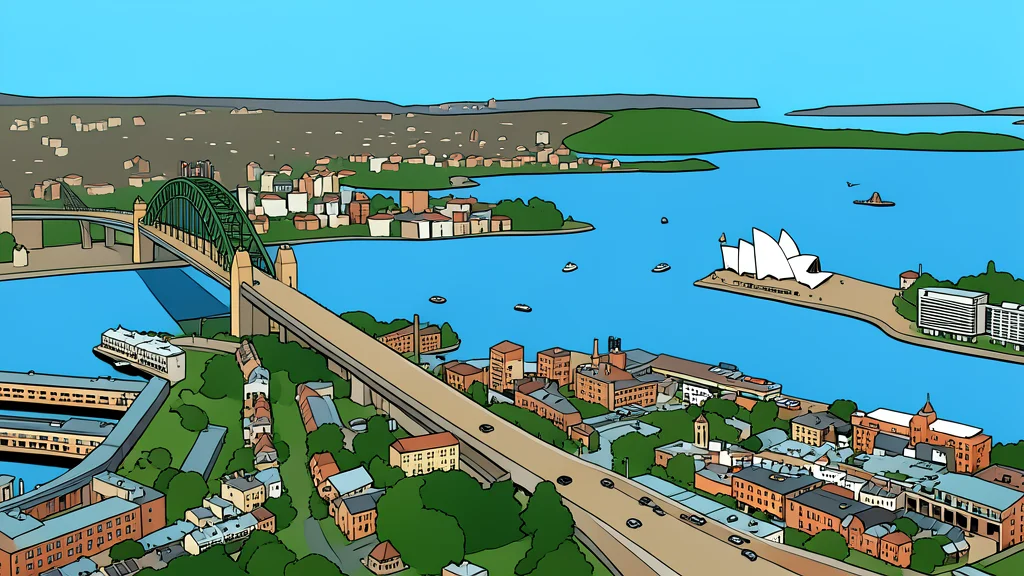
Upper-quartile housing values in Sydney and Melbourne have declined by more than 10 percent from their peaks. Entry-level stock has fallen by a smaller margin, creating a widening price gap between the two segments.
Upper-quartile home prices in Sydney and Melbourne have fallen at more than double the rate of entry-level housing. Data from property analytics firm Cotality shows high-end values dropping over 10 percent from their peak. Entry-level stock in the same cities has declined by only 3.9 to 5.4 percent. This divergence highlights a sharp shift in market dynamics across the capital cities.
A specific sale in Balmain East illustrates the scale of the downturn. A mansion sold for a loss of $7 million this month. The property previously traded for nearly $20 million in 2022. The recent transaction price was $12.8 million. Such steep discounts are becoming more common in the luxury sector.
Rising borrowing costs limit buyer reach
The Reserve Bank of Australia has raised interest rates to combat inflation. Current borrowing rates hover around 9.5 percent. This increase in debt servicing costs has significantly reduced purchasing power for households. Median-income families now spend more than 50 percent of their pre-tax income on mortgage payments.
Buyers who previously targeted the middle-to-upper market segments are now forced to look at cheaper properties. This demand deflation leaves high-end listings exposed to wider discounts. First-home buyers, investors, and price-sensitive mid-tier buyers are all competing for the same limited inventory. The lack of high-net-worth urgency further suppresses prices at the top of the market.
Political debate over tax policy impact
The housing correction has triggered a political dispute over its drivers. Opposition leader Angus Taylor attributes the slump to recent tax adjustments affecting negative gearing. He claims these changes have damaged market confidence. Labor leaders reject this framing, citing Treasury modelling that shows tax changes account for only a minor fraction of the shift.
Treasurer Jim Chalmers points to high debt levels and elevated interest rates as the primary causes. Housing minister Clare O'Neil maintains that the downturn reflects broader economic pressures. The debate continues as officials assess the long-term impact on household wealth and the broader economy.
Market sentiment remains cautious
Auction results indicate that the sharpest initial repricing has likely passed. However, wealthy buyers show no rush to re-enter the market. Time on market has lengthened for luxury properties. Vendor discounting has widened, reflecting a lack of urgency among potential purchasers.
Experts note that the top end of the market typically moves first in a property cycle. The upper segment peaked in October or November last year, before the broader market. This early peak suggests the correction may continue to propagate through lower price points. The current vacuum at the top could signal the direction for the rest of the sector.