UK Home Price Gains Set to Lag Inflation in 2024 and 2025
British house prices are projected to rise by just 1.3% this year, falling behind the current inflation rate of 3.1%. This marks a significant downward revision from previous forecasts and signals a continued cooling market.
British home prices will rise by 1.3% in the current year, according to a median forecast from 16 property market experts. This figure is lower than the 1.8% increase predicted in the June survey. The growth rate lags behind the 3.1% annual inflation rate recorded in August.
Average home costs are expected to increase by 2.0% next year and 3.3% in 2028. These projections reflect a challenging economic environment that is suppressing buyer activity. The data comes from a poll conducted by GN auto markets/housing: housing prices.
Stagnant Demand and High Mortgage Rates
Elevated mortgage rates are keeping potential buyers out of the market. Lenders approved the fewest mortgages for house purchase since January 2024 in July. This indicates a persistent lack of desire among consumers to move home.
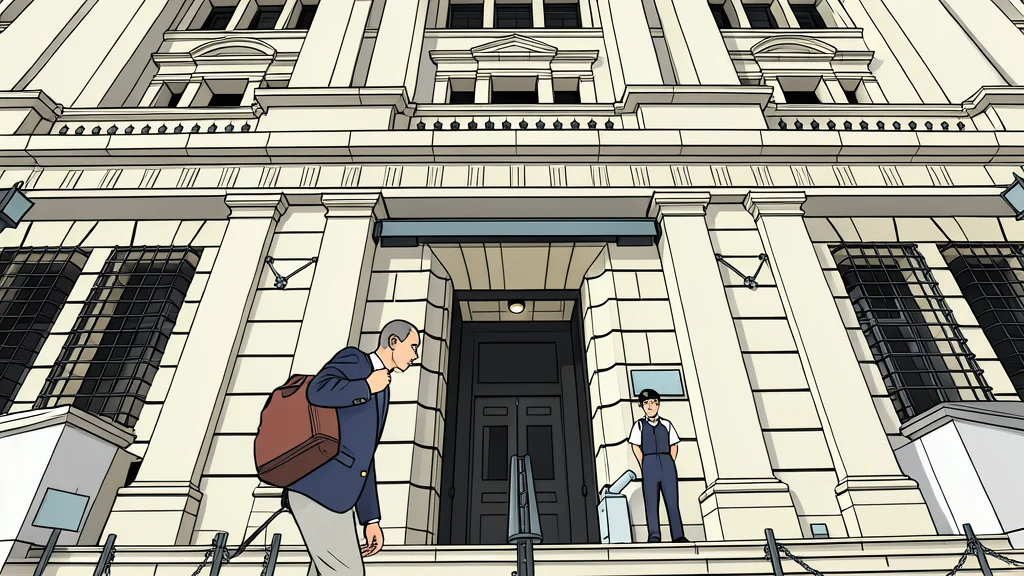
The Bank of England kept borrowing costs unchanged recently. Governor Andrew Bailey warned that geopolitical conflict may require tighter policy. The Federal Reserve and the European Central Bank also raised rates recently, adding to global pressure.
London Prices Decline While Supply Shrinks
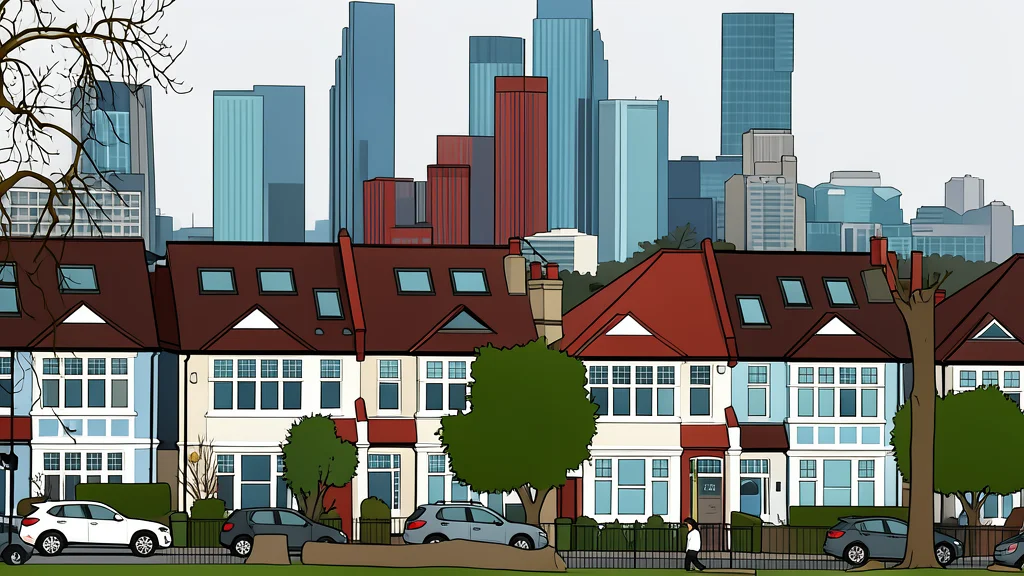
London house prices are forecast to fall by 1.4% this year. They are expected to rise by 0.9% in 2027. The average price of a home in the capital was £646,451 in August, making ownership difficult for first-time buyers.
Barratt Redrow lowered its home completions target recently. Planning bottlenecks and cautious buyers are weighing on the sector. These factors contribute to the broader slowdown in the housing market.
Rental Costs Outpace Ownership Gains
Nationwide rental prices are projected to rise by 3.0% this year and next. They will increase by 2.8% in 2028. This growth rate is more than double the expected increase in home prices for the current year.
Fewer landlords are letting out properties, shrinking the rental supply. High borrowing costs are pricing many would-be buyers out of the market. This pushes more people into renting, driving up demand for rental units.