George Chuvalo: The Iron Chin Who Outlasted Tragedy
In nearly a century of punches, he never touched the canvas. Now, the world mourns the man who turned family grief into a global campaign.
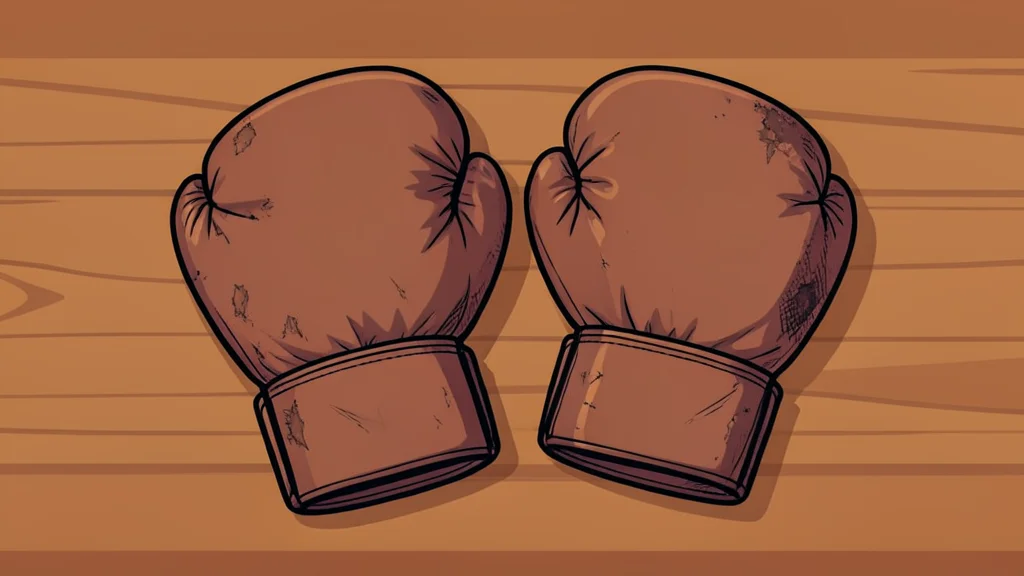
The leather is cracked, the laces frayed, but the shape remains unbroken. In almost one hundred bouts, George Chuvalo’s body never surrendered to the floor. He died Saturday in Toronto, hours before his eighty-ninth birthday, leaving behind a legacy defined not by knockout power, but by an almost supernatural refusal to fall. His iron chin became a national symbol, a physical manifestation of a spirit that refused to yield, even when the blows came from far darker places than the ring.
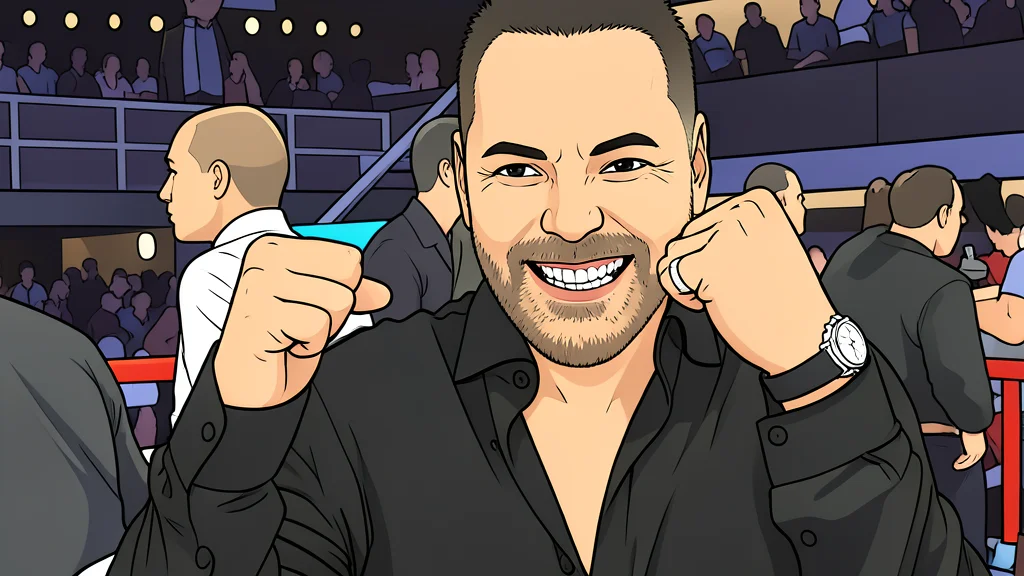
Tributes have poured in from across the globe since the news broke, echoing the sentiments of his son Mitchell. "He was a capital-T tough guy in every way," Mitchell said, his voice steady with the weight of memory. For the casual observer, Chuvalo is the stocky Canadian who went the distance with Muhammad Ali. But for those who knew him, he was a man who transcended sport, carrying the invisible scars of a family tragedy that most people could not even imagine.
Shadows Behind the Spotlight
The gleaming trophies and the roaring crowds of Maple Leaf Gardens masked a private hell. Between 1985 and 1996, Chuvalo lost three sons and his wife to the crushing grip of addiction and despair. Jesse took his own life in 1985. Four days after Georgie Lee died of an overdose in 1993, his wife Lynne was found dead with a note. Steven followed in 1996, a needle still in his arm. The silence in his home was louder than any bell in a boxing arena.
He spoke of suffocating in his sleep, of barely functioning. Yet, from that abyss, he built a new purpose. The pain became fuel for the "Fight Against Drugs" campaign, a decades-long crusade that took him into schools across Canada. He traded the sweat of the ring for the sweat of conversation, using his own brokenness as a tool to reach young minds. It was a transformation as hard-won as any victory, driven by a constitution that refused to shatter.
Ali’s Admiration for the Giant
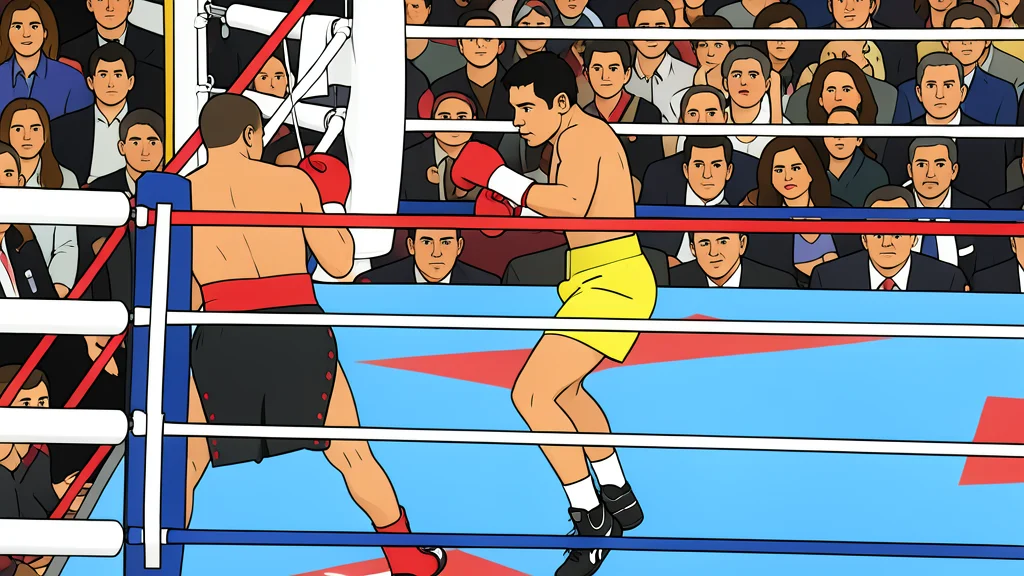
Muhammad Ali, at his athletic peak, called Chuvalo the toughest opponent he ever faced. In 1966, in the humid air of Toronto, Ali won after fifteen grueling rounds, but the assessment was not a dismissal. It was respect. Ali saw a man who did not break, who absorbed the fastest hands and feet in the sport and kept standing. That fight, and the rematch in 1972, cemented Chuvalo’s place in history. He was not the fastest, not the strongest, but he was the hardest to put away.
Mitchell notes that his father’s post-boxing life is indelibly connected to his career. The resilience that allowed him to survive Ali’s speed was the same resilience that allowed him to recount his family’s tragedy over and over again. It was torturous, yet he gave it freely. He gave his emotions, his time, his story. The World Boxing Council called him Canada’s greatest warrior, a man who went to war against titans like Foreman and Frazier, and against the demons that nearly destroyed him.
A Legacy of Grit
Chuck Jones, a fellow Hall of Famer and friend, thanked Chuvalo for opening doors in his broadcasting career. "Rest well champ," Jones wrote. "You faced so many heartbreaking challenges throughout your years on Earth." Russ Anber, another boxing figure, described Chuvalo as the personification of Canadian boxing for half a century. He epitomized the grit, the toughness, the persistence that future generations tried to copy. The best chin in the history of the sport was not just a physical trait; it was a moral one.
As reported by GN sports/boxing (en-US), the world has lost a warrior who fought two kinds of wars. One was in the ring, against giants. The other was in the quiet of his home, against the darkness that took his family. He survived both, leaving behind a legacy that is as heavy as the gloves he once wore, and as enduring as the memory of a man who never fell.