Tyson and Holyfield Waited Twelve Years for Their Title Clash
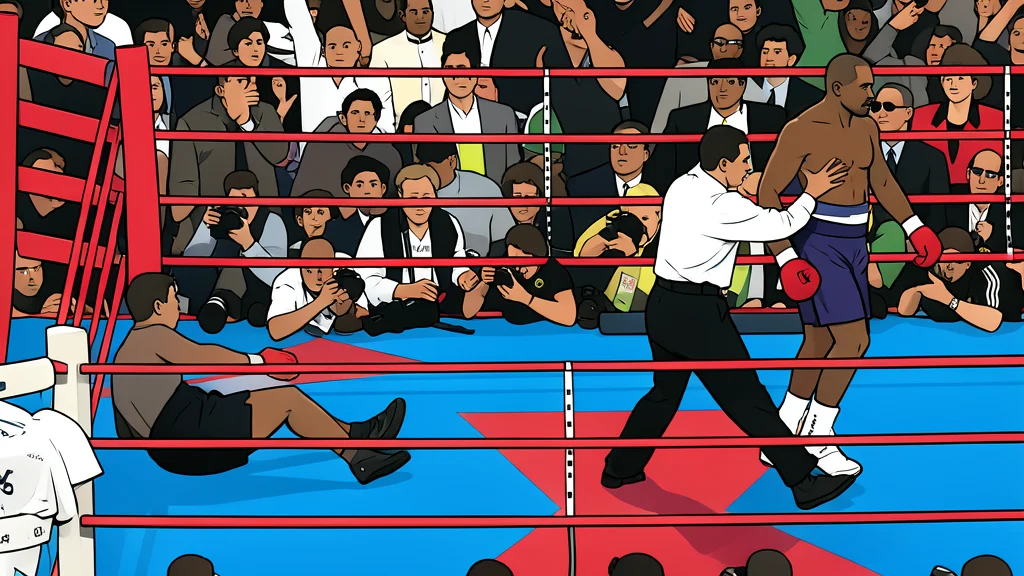
A pool-table scuffle in 1984 ignited a rivalry that survived prison, defeats, and legal battles before finally meeting in 1996.
Key points
- Tyson and Holyfield first clashed in 1984, but their title fight did not happen until 1996.
- The original 1990 fight was cancelled after Tyson was knocked out by Buster Douglas.
- Tyson's arrest and imprisonment in 1992 further delayed the long-awaited showdown.
The air in the 1984 Olympic trials gym was thick with tension, the sound of chalk dust hanging in the light as Mike Tyson and Evander Holyfield stared each other down over a tipped pool table. That minor friction, born of youthful arrogance and bruised egos, planted the seed for a confrontation that would outlast the careers of many other heavyweights. It was not a fight scheduled for the next weekend, but a ghost that refused to leave the ring, echoing through every subsequent loss and victory.
Decades later, the modern boxing world frets over the logistics of a Joshua versus Fury bout, treating the delay as an anomaly. The Independent notes that this contemporary patience is a pale shadow of the ancient, grinding machinery that eventually delivered Tyson and Holyfield to the same canvas. In that era, a contract was not a promise; it was a fragile thread stretching across a decade of chaos, broken by prison bars, shocking upsets, and the cold arithmetic of promoters who valued greed over glory.
Contracts signed and broken in the 90s
By October 1989, the ink was dry on a deal for a summer 1990 showdown, the heavyweight division holding its breath. Then, Buster Douglas threw his gloves at Mike Tyson, knocking the invincible champion out in Tokyo. The title changed hands, the power dynamics shifted, and the scheduled Atlantic City date evaporated into the smoke of a new narrative. Holyfield, now the man with the gold, found himself in a stronger negotiating position, his promoter Dan Duva leveraging the championship belt against Tyson’s manager Don King in a battle of egos that mirrored the physical contest to come.
A new agreement was forged in July 1991 at a New York hotel, promising a $45 million split and a Las Vegas spectacle for November. The machinery was oiled, the money counted, but the human element remained volatile. Tyson’s arrest in Indiana just weeks later for rape shattered the timeline once more. The fight was pushed to January 1992, only to be cancelled again when Tyson injured a rib. The legal storm that followed swept the champion into prison, leaving the rivalry suspended in a legal and physical void.
Prison delays and the return to power
The years inside the institution felt like a lifetime, yet the commercial engine of boxing never truly stalled. The fight was not dead; it was merely resting, a dormant volcano waiting for the pressure to build again. Upon his release in the late summer of 1995, the whispers returned. The men in suits were already drafting new clauses, the memory of the pool table still sharp, the financial incentive still potent. Tyson had lost his title during his absence, but he had not lost his desire to reclaim the throne, and with it, the right to challenge the man who had stood in his way.
The path back to the summit was grueling. Tyson had to fight his way back to the championship, navigating a landscape where Holyfield had also seen his belt change hands. The rivalry had become a test of durability, not just skill. When the date was finally set for November 1996 at the MGM Grand, the atmosphere was electric with the weight of twelve years of missed opportunities. The audience was ready to witness the culmination of a story that had begun with a spilled drink and ended with a world title hanging in the balance.
The final clash in Las Vegas
The night arrived, the lights of Las Vegas blinding and harsh against the darkened arena. Holyfield was given little chance by the bookmakers, yet he stood firm against the fury of the former king. He won that night, and the following year, he delivered the infamous bite, a controversy that cemented their legacy as the most volatile duo in heavyweight history. The fight was magnificent, a chaotic dance of violence and will that proved the wait had been necessary to forge such intensity.
Looking back, the current struggles to secure a Joshua-Fury bout seem almost quaint in comparison. The modern era lacks the raw, unfiltered drama of the 1990s, where fights were not just scheduled but survived. The Tyson and Holyfield saga remains a testament to the enduring nature of boxing grudges, a reminder that the greatest spectacles are often the ones that refuse to die, no matter how many times they are buried.