McCown’s Final Drive: UTSA Rallies Past Texas State
Down ten at the break, the Roadrunners answered with trickery and grit, turning a halftime deficit into a 31-26 victory through a final drive that defined Owen McCown’s career.
The air in San Marcos hung heavy with the scent of cut grass and anticipation as UTSA faced a ten-point hole at the half. Coach Jeff Traylor watched the Bobcats’ offensive line grind forward, knowing the ground game was the enemy’s weapon. Yet, beneath the frustration of the first half, a quiet confidence settled over the sideline. Traylor had faith in his quarterback, even as injuries thinned the offensive tackle line. He knew that if they could survive to the fourth quarter, the Roadrunners would outlast them. The second half began with a decision: stop playing safe, start playing for the win.
On the opening possession of the third quarter, UTSA snapped the ball on their own 44-yard line, facing a fifth-yard fourth-down. The stadium noise swelled, a low rumble in the stands. Owen McCown dropped back, eyes scanning the secondary. He found DJ Allen on an out route, the ball catching the light as it spiraled through the air. Allen secured the catch, gaining twelve yards and keeping the drive alive. It was a small gain, but it signaled a shift in momentum. The Roadrunners were no longer reacting; they were dictating the pace.
Trickery Shifts the Momentum
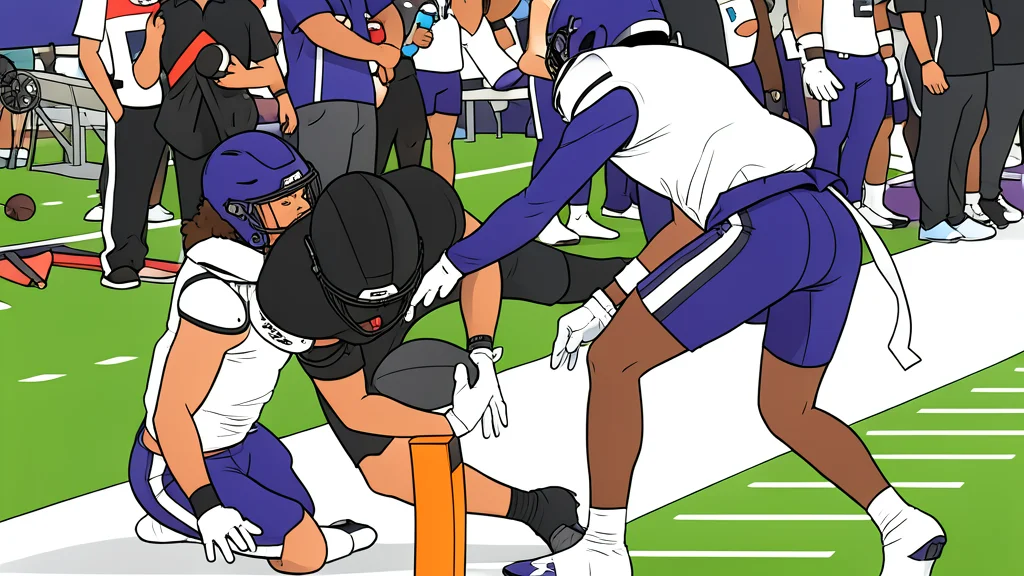
The next play unfolded with a deceptive simplicity that caught the Texas State defense off guard. David Amador II motioned from left to right across the backfield, a subtle shuffle that drew the linebackers’ eyes. McCown handed off, then faked a reverse, the ball moving laterally to Amador in the chaos of the run. The Bobcats’ defenders committed, charging forward in a wave of pads and helmets. Amador, now the ball carrier, saw the void. He whipped a pass to Mekhi Anderson, who was wide open down the sideline. The 44-yard touchdown strike was pure geometry, a line drawn through the gaps in the defense. Anderson crossed the plane, and the score tightened to 26-17, the deficit erased and the momentum flipped.
This was not a one-off anomaly. Amador’s four career passes have all resulted in touchdowns, a perfect record born from varied formations and unexpected targets. McCown, who usually throws the ball, embraced the role of a passer-in-waiting, acknowledging Amador’s superior passer rating. The trick play was a culmination of months of work, a designed sequence to keep defenses guessing. It was a moment of creative aggression, a reminder that football is as much about misdirection as it is about power.
McCown Carries the Weight
With 4:31 remaining, UTSA trailed 26-24. The clock ticked down, each second a weight on McCown’s shoulders. He had faced this moment before, in close losses where turnovers on downs and interceptions had haunted his record. This time, the narrative was different. The Roadrunners executed a 14-play drive, covering 82 yards with precision. McCown completed eight of ten passes, his arm steady, his eyes sharp. He converted two fourth-downs, one by rushing for six yards himself, a gritty play that picked up the necessary yardage and silenced the doubts.
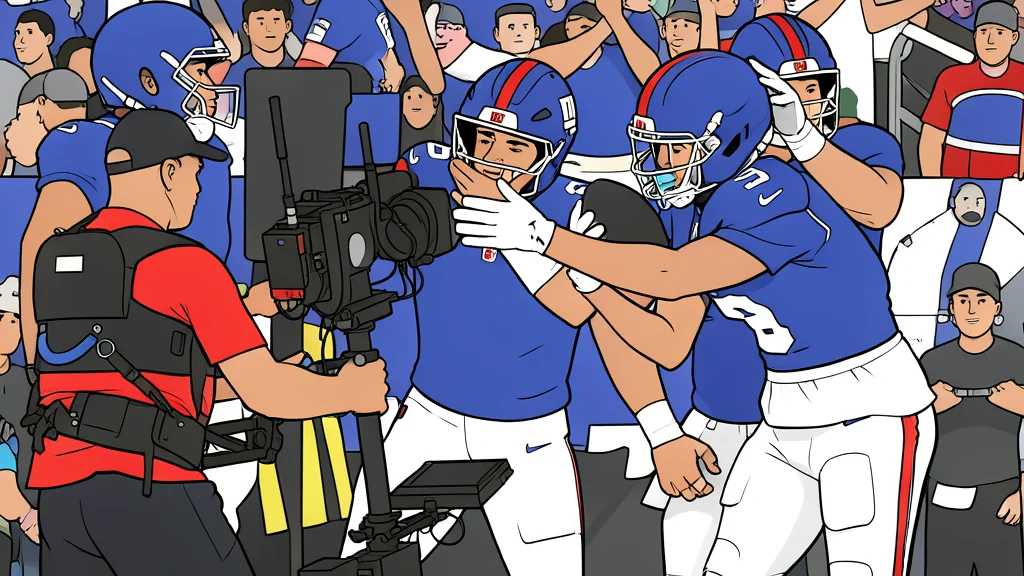
The drive ended with Brandon High’s 25-yard touchdown run, breaking the game open. McCown stood on the field, chest heaving, the burden of past failures lifted by the weight of this victory. Traylor called it the most important drive of McCown’s career, a sentiment shared by the quarterback. It was a redemption arc written in yards and completions, a statement that the Roadrunners could close out when it mattered most. The final score, 31-26, was more than a number; it was a testament to resilience.
A New Standard for Clutch
McCown’s performance shattered the pattern of late-game struggles that had plagued him in previous seasons. In close losses, he had averaged just 3.1 yards per attempt with a 35.9% completion rate, a stark contrast to the 56 yards and 8-of-10 accuracy on this winning drive. The difference was not just in the stats, but in the mindset. He had spent the offseason addressing these weaknesses, turning potential failure into a platform for success. The victory at Texas State was a turning point, a moment where the Roadrunners’ identity solidified around a quarterback who could deliver under pressure.
As the crowd dispersed, the memory of the trick play and the final drive lingered in the air. It was a game of contrasts, of deficits and comebacks, of fear and confidence. UTSA had proven they could adapt, could overcome, could win. For McCown, it was a personal victory, a clearance of the ghosts that had followed him. The Roadrunners left the field with their heads high, the 31-26 score a badge of honor earned through grit and creativity. The season was long, but this night, they had written their name in the record books.