Nittany Lions Crush Buffalo in Beaver Stadium Dominance

Beaver Stadium hummed with a 55-13 roar as Penn State dismantled Buffalo, turning a routine Saturday into a masterclass of physical control and explosive speed.
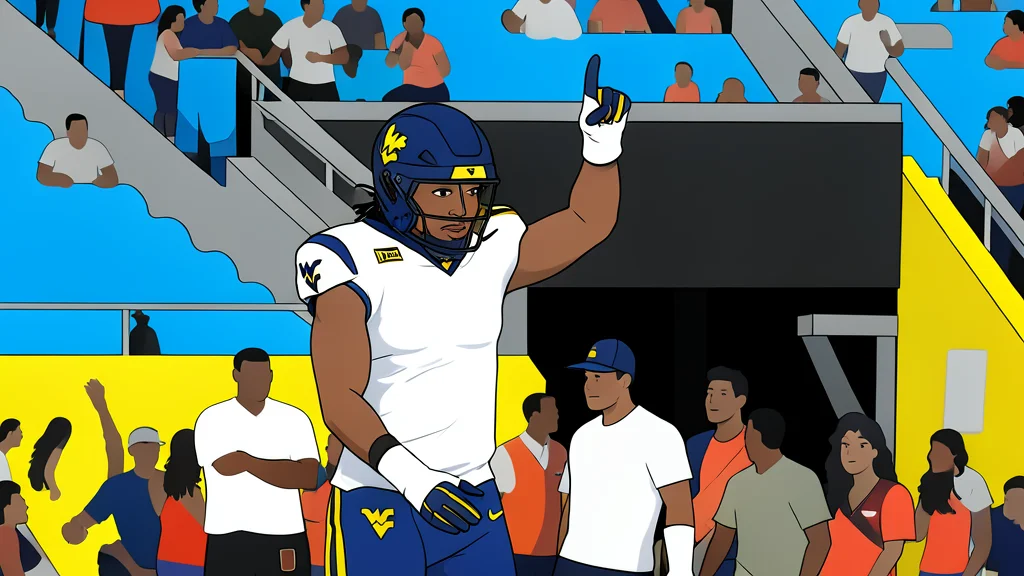
The air in State College tasted of autumn crispness and electric anticipation as the Nittany Lions took the field against Buffalo. The scoreboard eventually read 55-13, a number that barely captures the sheer weight of the offensive line's dominance or the vertical threat posed by the receiving corps. It was a day where the green grass seemed to stretch under the cleats of the running backs, who carved open lanes with relentless precision.
According to Yahoo Sports, the performance was a mix of high-octane brilliance and moments of frustrating sloppiness. While the backfield and defense operated on a different frequency, the coaching staff and quarterback showed cracks under pressure. The result was a victory that felt both inevitable and slightly incomplete, a report card that gleamed with A's but carried the shadow of preventable errors.
Backfield Power Overwhelms Defense
Quinton Martin Jr., Cam Wallace, James Peoples, and Carson Hansen moved in unison, combining for 273 yards on 31 carries. Their average of 8.8 yards per touch was a blunt instrument that Buffalo’s front seven simply could not stop. The ground game was not just effective; it was a statement of territorial control, pinning the visiting team deep in their own territory for extended stretches.
The offensive line deserves equal credit for this ground assault. They dominated the line of scrimmage, creating pockets that allowed the running backs to hit their stride without hesitation. Their performance was a textbook example of physical supremacy, neutralizing Buffalo’s rush and setting the stage for the explosive plays that followed.
Aerial Threats Close the Game
Koby Howard and Chase Sowell made catches that looked less like football and more like flight. Howard’s 70-yard touchdown reception was the exclamation point on a performance that highlighted the depth and skill of the receiving group. These players did not just secure the ball; they altered the geometry of the field, stretching Buffalo’s secondary to its breaking point.
The defensive backs, arguably the best unit in the first three games, strangled Buffalo’s passing attack. The Buffaloes managed only 10 completions for 60 yards, with no single throw exceeding 16 yards. It was a suffocating performance that turned the sky into a no-fly zone, forcing Buffalo to rely on a ground game that was already being neutralized by the Nittany Lions’ front line.
Coaching Sloppiness Clouds Victory
Despite the offensive fireworks, the coaching staff received a B, a grade that reflects the team’s inability to capitalize on great field position. Penn State committed a season-high eight penalties for 96 yards, a lack of discipline that kept the momentum from truly surging. These errors were not just statistical blips; they were missed opportunities that could have made the margin of victory even more lopsided.
Quarterback Rocco Becht’s grade of B was marred by a dropped snap and a subsequent sack inside the red zone, a moment of panic that contrasted sharply with the team’s overall composure. Yet, the defense’s resilience and the special teams’ dynamism, particularly Zay Robinson’s 109 punt return yards, provided a safety net that allowed the team to absorb these mistakes and still come away with a decisive win.