Wake Forest’s Overtime Victory Sparks Referee Fury
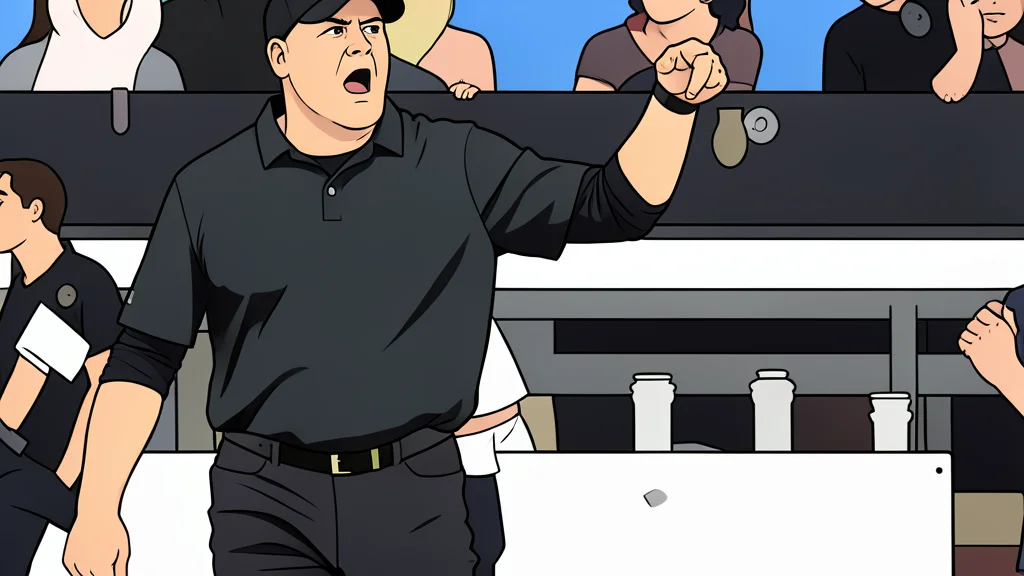
A single whistle in the dying seconds of overtime shattered Purdue’s hopes, igniting a storm of digital outrage over what fans call a rigged contest.
The stadium lights hummed against the twilight, casting long, sharp shadows across the turf. In the hush before the final snap, the air felt heavy, thick with the weight of twenty-one consecutive losses to Power Four opponents. Purdue stood on fourth and fifteen, a distance that should have been a wall. Instead, the ball sailed through the air, and the whistle screamed, cutting the silence with a jagged edge. The Big Ten officials signaled a first down, a decision that would unravel the game and ignite a firestorm across the social media landscape.
Wake Forest’s Demon Deacons did not waste the reprieve. On the very next play, they struck, converting the momentum into a victory that left the Boilermaker faithful stunned. The call was not merely a mistake in the eyes of many; it was a perceived betrayal. As the final clock ticked to zero, the narrative shifted from athletic failure to institutional suspicion, with fans on X and other platforms demanding answers from a refereeing crew they accused of bias.
Digital Outrage Over Official Bias
The reaction was immediate and visceral. According to reports from Yahoo Sports, the comments section became a battlefield of accusations. One user, echoing a sentiment that had circulated since the previous week’s Michigan incident, claimed the Big Ten referees were willing to rig the game for their flagship program but would throw Purdue to the wolves. "It’s all rigged," one fan declared, pointing to the lack of obvious evidence for overturning the on-field call. Another user, an Ohio State supporter, crossed tribal lines to defend the Boilermakers, arguing that Purdue had been cheated out of a win and that the league needed stricter accountability for its officials.
Videos of the play circulated rapidly, dissecting the moment the runner was pushed out of bounds. "Wait, so you can now push people out of bounds when they catch a ball in college football?" a fan asked, sharing the clip with a mix of disbelief and anger. The consensus among the detractors was that the runner should have been ruled short, ending the game immediately. Instead, the reversal allowed Wake Forest to breathe, and then to win, a outcome that many described as a worse rig job than the previous week’s controversy.
Defensive Struggles Complicate the Narrative
Beneath the fury over the officiating lies a harder truth about Purdue’s performance. The Boilermakers had two distinct opportunities to close out the game, yet their red zone offense failed to deliver, forcing a reliance on a defense that had already shown cracks. Fans who remained loyal to the team’s internal standards pointed out that the offense was atrocious, and the defense was no better. "Fire everyone on defense," one user wrote, bypassing the referee argument entirely to focus on the execution. The loss extended a grim streak, marking the twenty-first straight game against a Power Four opponent that ended in defeat.
The debate now splits into two camps: those who see a clear case of officiating error that cost a win, and those who believe the team’s inability to convert drives is the primary failure. Regardless of which side holds the correct view, the result stands. Wake Forest leaves with the victory, while Purdue remains mired in a slump that defies simple explanation. The question remains whether the Big Ten will respond to this latest uproar with the same promptness shown in previous incidents, though such action will not alter the final score.
Uncertain Future for Conference Integrity
The incident leaves a lingering stain on the conference’s reputation for fair play. As the dust settles on the field, the digital echoes continue to ring. For Purdue, the loss is a heavy burden, a reminder that even in the face of potential injustice, the scoreboard does not bend. The fans, however, are not ready to let the moment pass. They are watching, waiting, and demanding that the next call be made with the precision and fairness the sport requires.