Delhi Traffic Locks Down for Cricket and BRICS
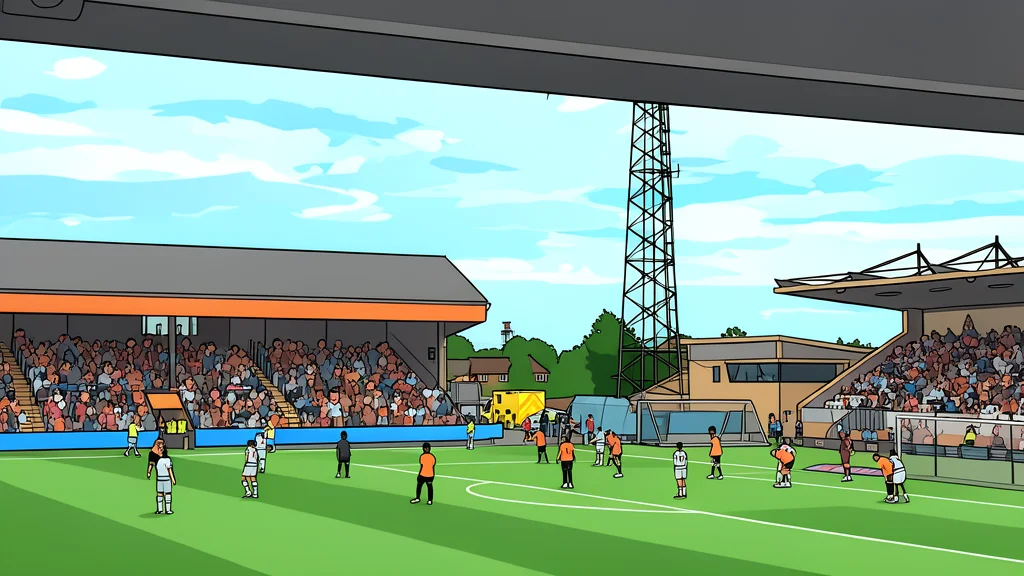
The Arun Jaitley Stadium prepares for a double duty of diplomatic weight and sporting intensity, with the city's arteries tightening around the green oval.
The air in New Delhi hangs heavy with the hum of engines and the distant promise of a bat crack. On September 13, the Arun Jaitley Stadium becomes the focal point of a city balancing two massive events: the BRICS Summit and the first T20I between India and Afghanistan. The green oval, usually a sanctuary of focused silence, is now encircled by the iron grip of traffic control. The Delhi Traffic Police have drawn a hard line at 14:00 hours, when restrictions snap into place, turning the surrounding avenues into a controlled flow of steel and asphalt.
This is not just a game; it is a logistical ballet performed on a stage of concrete and glass. With the summit in full swing, the city’s nervous system is on high alert. Commuters face a narrowing of their options, forced to reroute or wait as the stadium area transforms into a spectator-only zone. The advisory, issued by the Delhi Traffic Police, cuts through the noise with a simple directive: plan ahead. The message is clear, repeated across social media channels, urging drivers to respect the diversions and trust the personnel standing firm in the heat.
City Arteries Tighten Before Match
From two o’clock in the afternoon, the veins of the neighborhood constrict. Traffic restrictions, diversions, and strict parking rules take hold, creating a buffer zone around the venue. The Delhi Traffic Police, as reported by Yahoo Sports, emphasize the need for patience. Drivers are asked to follow the diversion signs, to listen to the commands of the officers deployed in the area, and to avoid the unnecessary friction of entering a zone designed for spectators, not traffic. The flow of the city changes character, becoming slower, more deliberate, and strictly managed.
For those who must travel, the advice is blunt: use alternate routes. The stadium area is no longer a throughway. It is a destination, sealed off to protect the event and the diplomatic proceedings happening nearby. The police urge motorists to remain cooperative, to follow the rules, and to accept the temporary inconvenience. The goal is to prevent congestion, to keep the streets moving even as they narrow. It is a small sacrifice for the larger spectacle unfolding on the field.
Spectators Navigate Designated Entry Points
Spectators face a different kind of discipline. They are requested to use only the designated entry points, parking lots, and app-based taxi pick-up and drop-off zones. The stadium is a fortress of experience, and access is controlled. There are no shortcuts, no improvised stops. The official social media handles of the Delhi Traffic Police serve as the real-time pulse of the situation, offering updates that can change a journey in minutes. For the fan traveling to the match, this is the new normal: precision over convenience.
The atmosphere in the city is one of heightened awareness. The BRICS Summit adds a layer of security and scrutiny, making the traffic controls even more rigorous. The stadium, with its tiered seating and open sky, stands as a beacon of normalcy amidst the procedural complexity. But the path to the gate is no longer simple. It requires planning, patience, and a willingness to follow the lead of the traffic personnel. The game is approaching, and the city is holding its breath, organizing itself around the central event.
Dual Focus on Security and Sport
The convergence of the BRICS Summit and the T20I creates a unique pressure on Delhi’s infrastructure. The traffic advisory is not merely about moving cars; it is about managing a city in a state of high importance. The Delhi Traffic Police have made their stance clear: cooperation is key. The drivers, the spectators, and the city itself must move in sync. The restrictions are a temporary measure, a shield against chaos, ensuring that both the diplomatic and sporting events proceed without disruption. The stage is set, the rules are in place, and the moment is building.
As the afternoon approaches, the city will feel the tightening grip. The avenues will slow, the diversions will guide, and the stadium will fill. The India-Afghanistan match is more than a contest of skill; it is a test of urban coordination. The Delhi Traffic Police have issued their warning, their advice, their command. The ball is now in the court of the commuters and spectators. Plan ahead. Follow the signs. Respect the process. The game is coming, and the city is ready to watch.