India Meets Japan in Historic Asian Games Cricket Clash

The air in Aichi hums with anticipation as India prepares to defend its crown against a determined host nation in a first-ever encounter.
The morning light breaks over Korogi Athletic Park, casting long shadows across the manicured turf where the quarter-final is set to unfold. It is a moment frozen in time, the stillness before the storm of the Asian Games 2026 women’s cricket tournament. India arrives not just as a team, but as a dynasty seeking to extend its dominance, having just secured a record-extending eighth Asia Cup title. The stakes are stripped bare in this knockout format; there is no safety net, no second chance. Every ball must count, every run must be carved with intent.
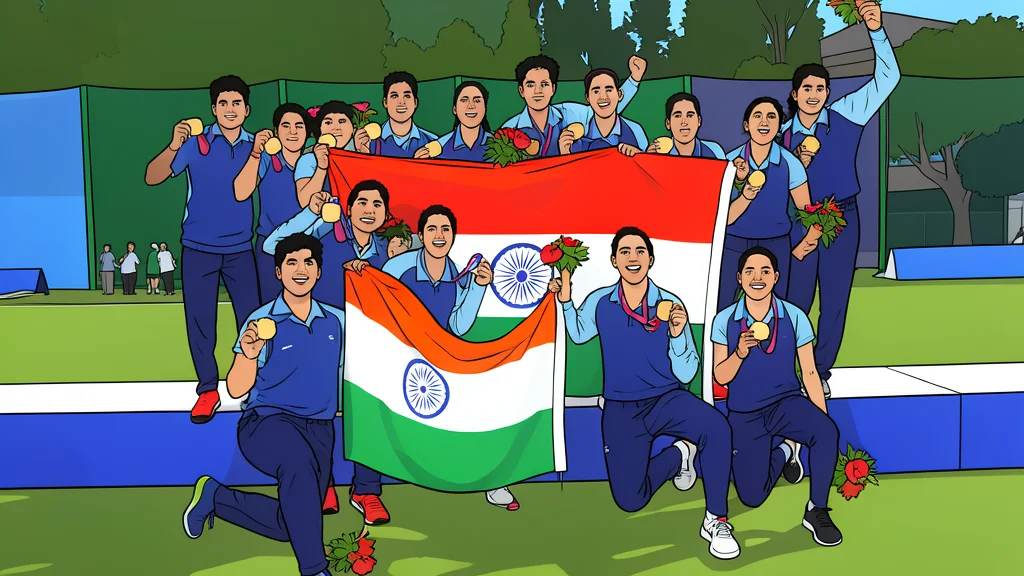
For the first time in history, the Indian women’s cricket team will face hosts Japan. It is a collision of styles and histories, a debut meeting that carries the weight of legacy. The Indian side, led by Harmanpreet Kaur, steps onto the pitch with the confidence of the world’s third-ranked T20I outfit. They are the favorites, the benchmark against which others are measured. Yet, the presence of the host nation adds a layer of unpredictability, a reminder that in knockout cricket, rankings are merely suggestions.
A Dynasty Built on Precision
The Indian lineup is a masterclass in depth and firepower. Smriti Mandhana, who has recently surpassed Mithali Raj as the highest scorer in women’s international cricket, stands as the deputy and a pillar of the batting order. Her presence alone commands respect, a testament to her longevity and consistency at the highest level. Behind her, the bowling attack is a relentless engine. Deepti Sharma, the all-time leading wicket-taker in women’s T20Is, pairs with Shree Charani, the top-ranked bowler in the format, to form a duo that can dismantle any innings.
Shafali Verma adds a volatile edge to the mix, her ability to change the trajectory of a game in a single over making her a key figure. Having claimed the Player of the Series award at the recent Asia Cup, she brings a surge of momentum and aggression. The team is not just skilled; it is tuned to a specific frequency of excellence, where every component works in harmony to achieve a singular goal. This is a side that has been forged in the fires of recent success, ready to translate that momentum into a medal.
Hosts Push Against the Giant
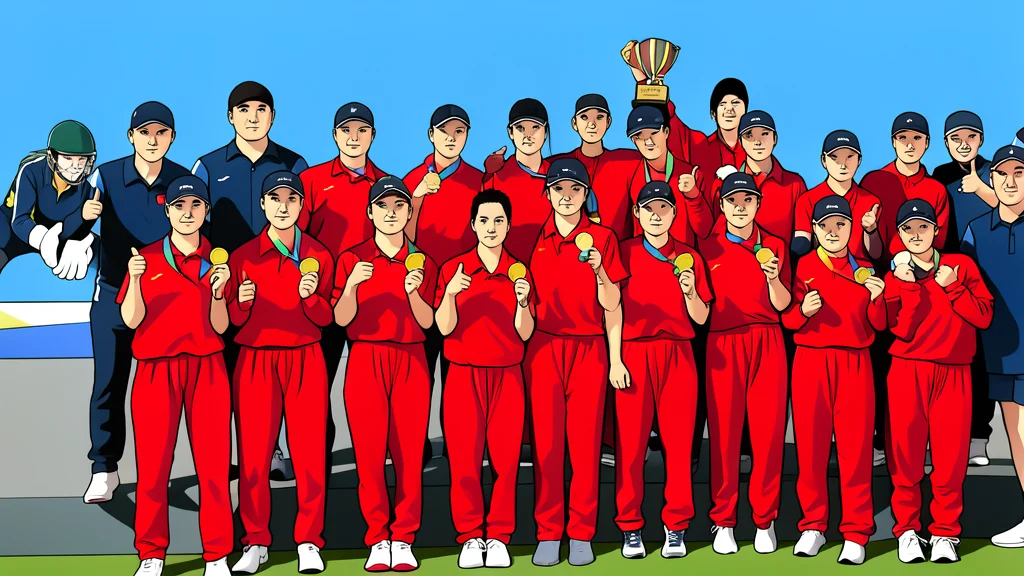
Japan enters this contest with the spirit of an underdog, a team that knows the value of every opportunity. Ranked 39th in the world, they face a monumental task against the Indian might. However, they are not without history. Their best finish in women’s cricket at the Asian Games came in 2010, when they clinched the bronze medal. That achievement, though decades old, remains a beacon of what is possible for them on this stage.
Captained by Mai Yanagida, the Japanese squad has shown resilience this year, winning four of their seven T20Is. They bring a disciplined approach to the game, understanding that to compete with India, they must execute flawlessly. The pressure of hosting the event adds an extra dimension to their play, a home advantage that can swing the balance in tight moments. It is a clash of ambition against establishment, where the hosts seek to prove their worth on the grandest stage of the year.
Tuning In to the Action
Fans across the globe can follow this historic encounter as it unfolds. The match is scheduled to begin at 10:30 AM IST, a time that ensures broad accessibility for viewers. For those in India, the live telecast will be available on Sony Sports 1, with additional coverage in regional languages on Sony Sports 3 and Sony Sports 4. Digital audiences can stream the action in real-time on Sony LIV, ensuring that no moment is missed.
As reported by GN sports/cricket (en-US), the anticipation is palpable. The quarter-final is more than just a game; it is a chapter in the ongoing narrative of women’s cricket. Whether India extends its reign or Japan makes a historic breakthrough, the match promises to be a display of skill, strategy, and heart. The ball is in the air, the eyes are on the field, and the history is being written in real-time.