Sarowar Imran Cites Dressing Room Unrest After Asian Games Exit
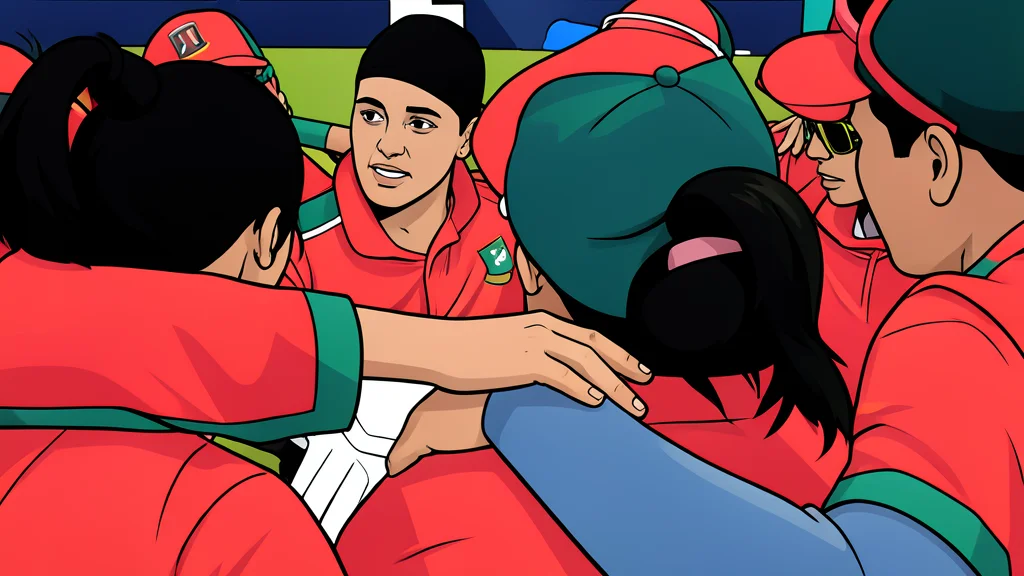
Head coach Sarowar Imran disclosed internal tensions and infrastructure gaps following Bangladesh's elimination in Japan.
Key points
- Sarowar Imran disclosed dressing room unrest and negative rumors following Bangladesh's Asian Games loss to Pakistan.
- David Hemp is the frontrunner to replace Imran as head coach, while batting coach Nasiruddin Faruque is also expected to be replaced.
- Imran cited a lack of school cricket, Under-18 setups, and dedicated training facilities as major barriers to women's cricket growth.
The silence in the dressing room was heavy, broken only by the hum of air conditioning in the Japanese locker room. Nigar Sultana had stepped back from the captaincy, citing a need to focus on her own game, but head coach Sarowar Imran refused to let the tension stay hidden. He spoke plainly about the unrest that followed the loss to Pakistan, a defeat that ended Bangladesh’s Asian Games campaign with empty hands.
Imran, who guided the team in their inaugural Test against India in 2000, did not hide behind diplomatic language. He pointed to a shift in atmosphere that began midway through the Asia Cup, where a close loss to Sri Lanka sparked a wave of rumors. Those whispers, he argued, poisoned the environment, leaving the players unable to find their stride against opponents like Indonesia and the UAE.
Coaching changes loom ahead
The board is moving swiftly to reshape the leadership structure. David Hemp is the frontrunner to replace Imran as head coach, a move that signals a significant overhaul. Current batting coach Nasiruddin Faruque is also expected to leave, with Hemp likely to take charge of the batting department. This transition comes as Imran’s two-year contract expires in October, a deadline that adds weight to the speculation about his future.
Imran acknowledged that such mid-tournament changes create instability. “We are playing a tournament. In the middle of it, you have sidelined the head coach and the captain, so how can you expect results?” he asked. He suggested that the negative reports and the uncertainty surrounding the coaching staff made it nearly impossible for the team to perform at their best.
Foundational gaps in women's cricket
Beyond the immediate personnel issues, Imran highlighted a deeper structural problem. He contrasted Bangladesh’s situation with Sri Lanka, where hundreds of girls’ schools compete in cricket. In Bangladesh, that grassroots foundation is missing. “We don’t have any structure like that,” he said. The lack of school cricket, Under-18 setups, and dedicated training facilities means the talent pool remains shallow.
The coach noted that finding thirty players for a squad is becoming a struggle. Without age-group cricket and consistent development pathways, the team cannot sustain growth. He emphasized that while efforts are being made to treat the women’s side with the same seriousness as the men’s, the infrastructure must catch up. Only when these foundational elements are in place will new talent begin to emerge consistently.