Trophy Left Behind: India Refuses Presentation After Asia Cup Win
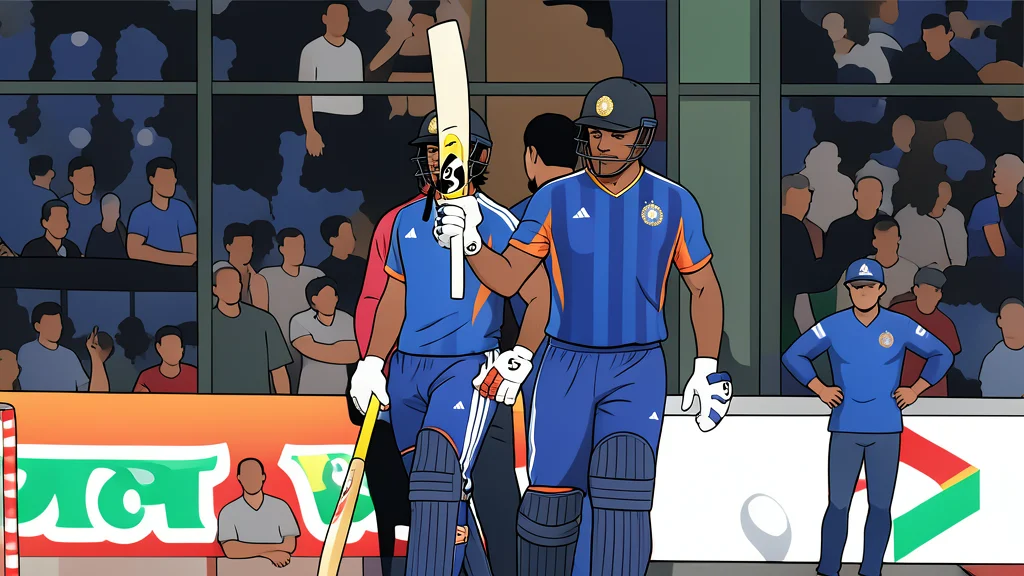
The stadium lights hummed low, casting long shadows across the empty pitch. The air still vibrated with the echo of a 72-run victory, yet the celebration remained confined to the dressing room.
Harmanpreet Kaur’s team had just secured their record-extending eighth title, defeating Sri Lanka in a final that showcased Indian dominance. But as the presentation ceremony clock ticked, the champions did not emerge. The silence in the stands grew heavy, a stark contrast to the usual roar of a trophy lift. For the second consecutive year, the silver cup sat untouched on its pedestal, a physical symbol of a diplomatic impasse rather than a sporting triumph.
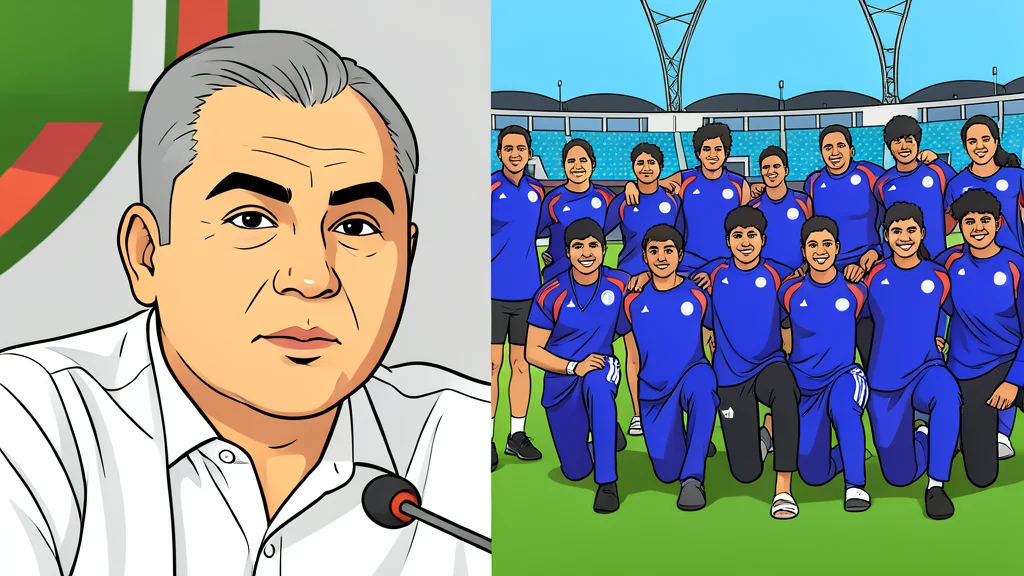
The delay stretched into nearly an hour, the atmosphere thickening with tension. Mohsin Naqvi, serving as both Asian Cricket Council president and Pakistan Cricket Board chairman, had largely avoided the presentation area during the match. Yet, he appeared in the VIP box during the final over, a visual cue that fueled the boycott. The Indian squad, adhering to a directive from the BCCI, chose dignity over display. They stayed behind the scenes, leaving the stage for their opponents and the officials, turning a moment of glory into a scene of quiet refusal.
Former Star Defends Council President
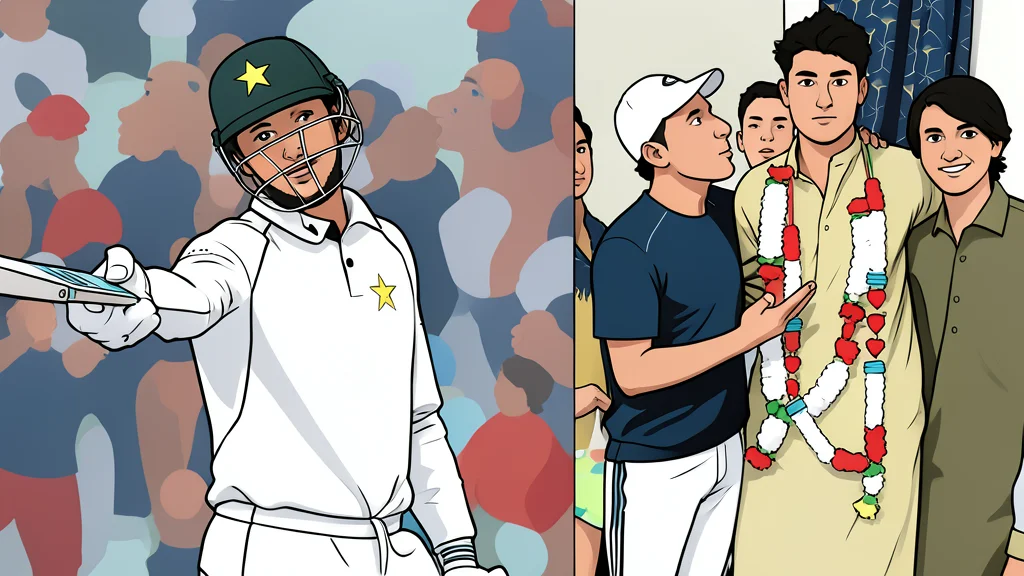
Mohammad Yousuf, a former batter for Pakistan, reacted swiftly to the standoff. In a post on X, he accused the Indian side of arrogance, arguing that national pride had overshadowed sportsmanship. He suggested that a victory without humility leaves a nation spiritually defeated, regardless of the scorecard. Yousuf’s comments drew a sharp line between the on-field result and the off-field protocol, framing the incident as a character test rather than a mere administrative dispute.
This confrontation mirrors the friction seen in the men’s tournament last year. Following the Pahalgam terror attack and subsequent military operations, India refused to accept the trophy from Naqvi. That season was marked by heightened geopolitical tension, with accusations that Naqvi’s social media statements inflamed the situation. The women’s team followed the same path this year, with head coach Amol Muzumdar confirming that the BCCI had made the decision to decline the presentation. The players were instructed to follow the board’s position, turning the trophy ceremony into a statement of policy.
Empty Stage and Delayed Honors
When the ceremony finally commenced, the absence of the champions was palpable. Only the Sri Lankan team stepped onto the field to collect their runners-up medals. Naqvi handed the cheque to Chamari Athapaththu, the Sri Lankan captain, while the Indian side remained absent. The proceedings ended shortly after Athapaththu’s interview, leaving the trophy unclaimed. BCCI secretary Devajit Saikia noted that the Indian position had been communicated well in advance, yet Naqvi still attended the event. The scene ended with a hollow victory, the silver cup gathering dust in the spotlight.
According to GN sports/cricket, the incident highlights the growing complexity of international cricket, where sporting achievements are increasingly entangled with diplomatic relations. The refusal to accept the trophy is not just a procedural block but a symbolic act. As the players returned to their dressing rooms, the stadium lights dimmed, leaving the trophy behind. It stands as a reminder that in the current climate, the game extends far beyond the boundary rope, into the realm of national sentiment and political posture.