Montreal's 39.2km Test: Backstedt Leads the World Time Trial
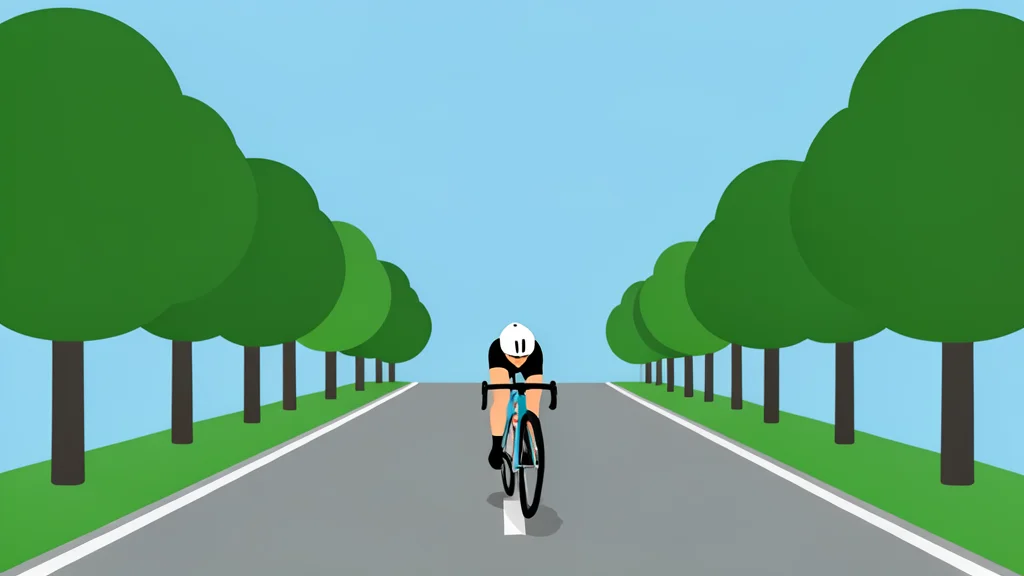
The Saint Lawrence winds past a flat, overcast road as a rider in a crouched position navigates the longest women's time trial in history.
The air in Montreal hangs at eleven degrees, cool and slightly overcast, as the first wheels spin onto the tarmac. Skye Davidson from Zimbabwe rolls down the ramp, marking the opening of the 2026 UCI Road World Championships. The course is a 39.2km ribbon of asphalt that hugs the Saint Lawrence River, a distance that stands as the longest ever contested in the women's elite category. It is a test of raw endurance before the crowd even gathers for the finish.
Behind her, the field of 48 riders waits in the shadows of the start zone. The route is deceptively simple in its layout, largely flat until the final ascent demands a surge of power. It is a race against the clock, but also against the element, as the sun promises a high of 16 degrees later in the day. The stakes are high for the reigning champion, Marlen Reusser, who seeks to hold onto her title against a surge of new contenders.
A Riverbank Route of Endurance
The course winds around the river, a scenic loop that requires precision and pace management. Riders must conserve energy for the concluding climb, a tactical puzzle embedded in the geography. The flat sections allow for high speeds, where the difference between competitors becomes a matter of seconds. It is a clean, open stage where the wind is the only opponent, and the riverbank provides a constant, moving backdrop to the solitary struggle.
Among those waiting to launch is Zoe Backstedt from Great Britain, making her elite debut at this level. Her presence signals a shift in the competitive landscape, challenging established names like Demi Vollering of the Netherlands. The tension is palpable in the start area, a mix of anticipation and the physical toll of the distance ahead. Each rider knows that the first time check will define their strategy for the remainder of the ride.
Champions Face a New Standard
Reusser, who claimed victory in Rwanda last year, faces a formidable challenge. The inclusion of riders like Backstedt and Vollering raises the ceiling for performance. It is not just about speed, but about the ability to sustain it over nearly forty kilometers. The sport is evolving, with new talents emerging from diverse nations, each bringing a unique approach to the time trial discipline. The race becomes a collective statement of progress and ambition.
As the early riders navigate the first time check, the times begin to trickle in. Davidson records 16 minutes and 9 seconds, setting a baseline for the day. The pace is quick, the focus absolute. This is a moment where individual effort meets the grand scale of the World Championships, a defining chapter in the calendar of road cycling. The narrative is already being written, one pedal stroke at a time.
The Pulse of the Race
The atmosphere is charged with the rhythm of wheels on pavement. It is a sensory experience, the hum of effort and the visual spectacle of riders flowing along the river. The story is covered by Cyclingnews, capturing the essence of this historic day. The race is more than a competition; it is a showcase of human endurance and the beauty of the sport. As the sun breaks through the clouds, the road stretches out, inviting each rider to find their limit.