Swiss Mixed Relay TTT Loses Gold to Mechanical, Settles for Bronze
A mechanical failure three kilometers in derailed Switzerland's gold medal hopes, leaving Stefan Küng to accept a bronze with deep regret.
Key points
- Stefan Küng suffered a mechanical failure three kilometers into the mixed relay TTT, forcing a bike change that cost the team thirty-five seconds at the relay point.
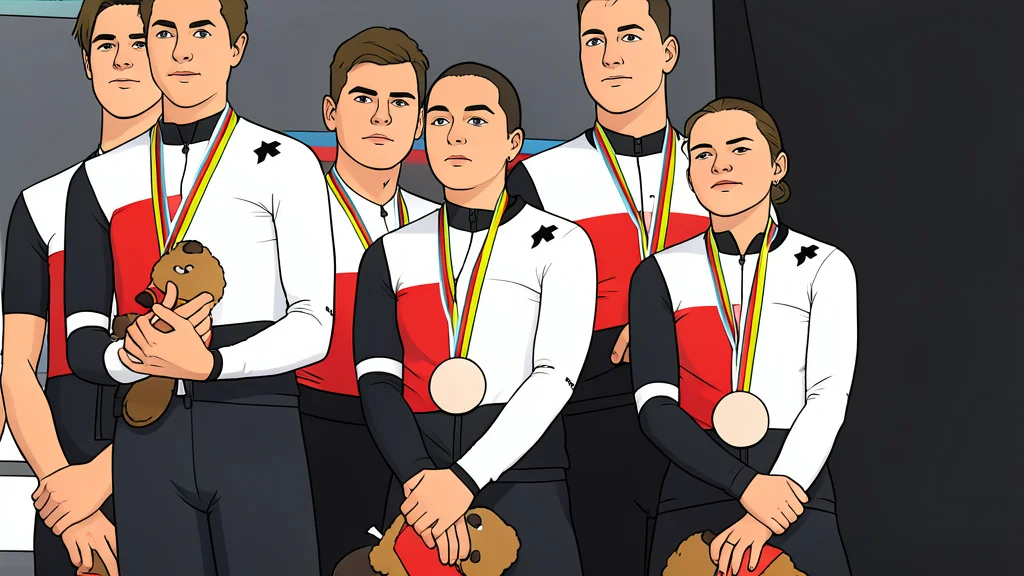
- Marlen Reusser, Noemi Rüegg, and Jasmin Liechti secured bronze by holding off Australia, finishing twenty seconds behind the winning Italian team.
- Küng expressed deep regret on the podium, stating he had never felt so unhappy on a medal and vowing to return next year to reclaim the world title.
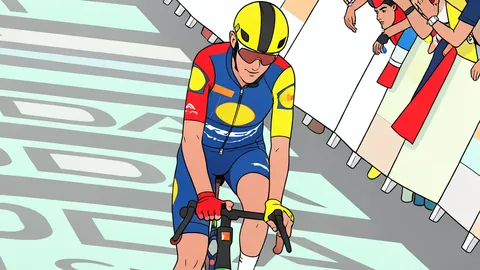
The gravel crunch of a bike change echoed sharply against the silence of the road, a mechanical failure that shattered the rhythm of the race just three kilometers into the 40.6-kilometer test. For Switzerland, a team built on precision and power, this sudden interruption was a catastrophic break in their chain. Stefan Küng, the Vuelta a España time trial stage winner, was forced to swap machines, leaving his teammates Stefan Bissegger and Mauro Schmid to shoulder the burden of the next seventeen kilometers alone. The disadvantage was immediate and heavy, a weight that would press down on the entire team for the remainder of the course.
By the time the men reached the relay point, they were sixth, having lost thirty-five seconds to the eventual winners from Italy. The gap was a chasm they could not easily bridge, yet the Swiss squad did not fold. Marlen Reusser, fresh from her victory in the elite women's individual time trial, took the baton with a grim determination. She rallied Noemi Rüegg and Jasmin Liechti, driving them to hold off Australia and secure a place on the podium. Their final time was twenty seconds behind Italy, a margin that stung more than the bronze medal itself.
Regret on the podium
Standing on the steps, Küng’s face betrayed a profound sense of loss that contrasted sharply with the usual celebration of a podium finish. He described the feeling as unprecedented, admitting he had never felt so unhappy on a medal ceremony. The bronze was not a reward for him but a reminder of a contribution that never happened. He felt he had let the team down, despite knowing the mechanical issue was beyond his control. The air around him felt heavy, the weight of unfulfilled potential pressing in on all sides.
"I think I never felt that unhappy on a podium, even though it's a medal," Küng said, his voice tinged with frustration. He acknowledged the team's resilience, praising his teammates for keeping the dream alive despite the early setback. The victory was theirs, a testament to their collective effort, but for Küng, the day felt different. It was a loss wrapped in a metallic sheen, a reminder that in cycling, even the smallest technical glitch can unravel the most carefully laid plans.
A promise for next year
The team’s history in this discipline is marked by near misses and mechanical woes. They were world champions in 2022 and 2023, but a similar breakdown in the women's team last year had already foreshadowed this outcome. Küng and his teammates are not finished. They plan to return next year, armed with the lessons of this race and a renewed hunger for the rainbow jersey. The frustration of today will fuel their training, a driving force behind their next attempt at glory.
As reported by Cyclingnews, the race highlighted the fragility of team time trials, where one moment of misfortune can derail an entire season's worth of preparation. The Swiss team’s performance was a study in resilience, showing how far determination can carry a team even when the odds are stacked against them. Yet, for Küng, the bronze remains a bittersweet outcome, a testament to what could have been if the wheels had turned without interruption.