Amsterdam Crowd Silence as Littler Defies Whistles to Win
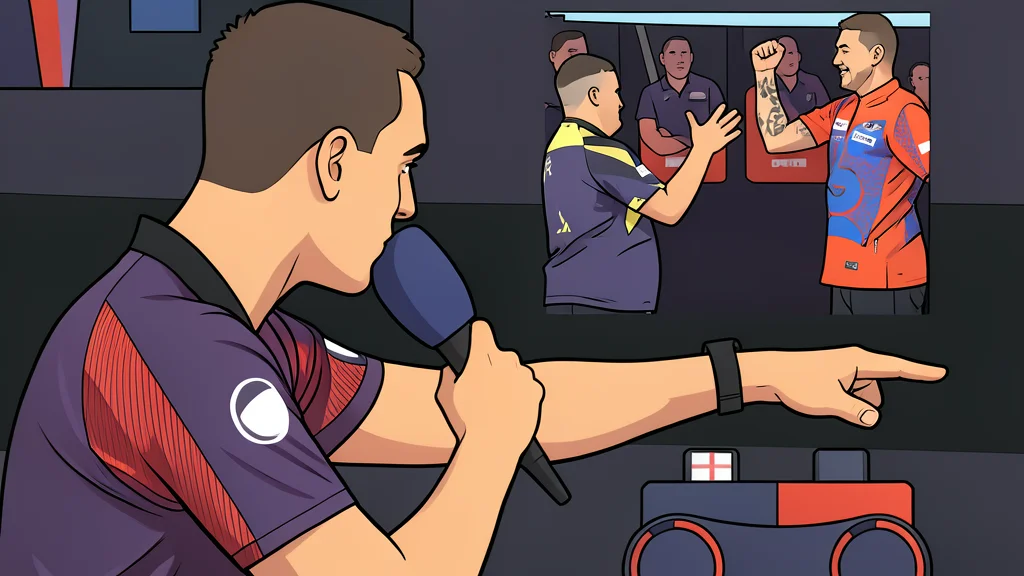
In the heart of an Amsterdam arena, the air thickened with tension as whistles pierced the quiet. The referee stepped off the oche, cutting through the noise to demand respect for the players in the arena.
The whistle from the Amsterdam crowd cut through the stillness of the arena, a sharp, jagged sound that fractured the focus of the throwers. It was the fifth leg of the fifth set, a moment where every breath counts and every eye is locked on the bristle tips. Suddenly, the rhythm of the match broke. Referee Charlie Corstophine stepped away from the oche, his posture rigid, moving to address the sea of faces in the stands. The whistling had become a persistent hum, a distraction that threatened to unravel the delicate balance of the contest between Luke Littler and Nathan Aspinall.
Corstophine turned his back to the board, facing the spectators with a sternness that silenced the room. He pointed directly at the source of the noise, his voice cutting through the lingering echoes. He demanded respect for both competitors, asking the crowd to cease the whistling while the darts flew. It was a rare intervention, a firm hand on the wheel of a chaotic evening. The crowd settled, the noise fading into a tense hush that allowed the players to regroup their nerves and refocus their aim.
Defiance in the Face of Disapproval
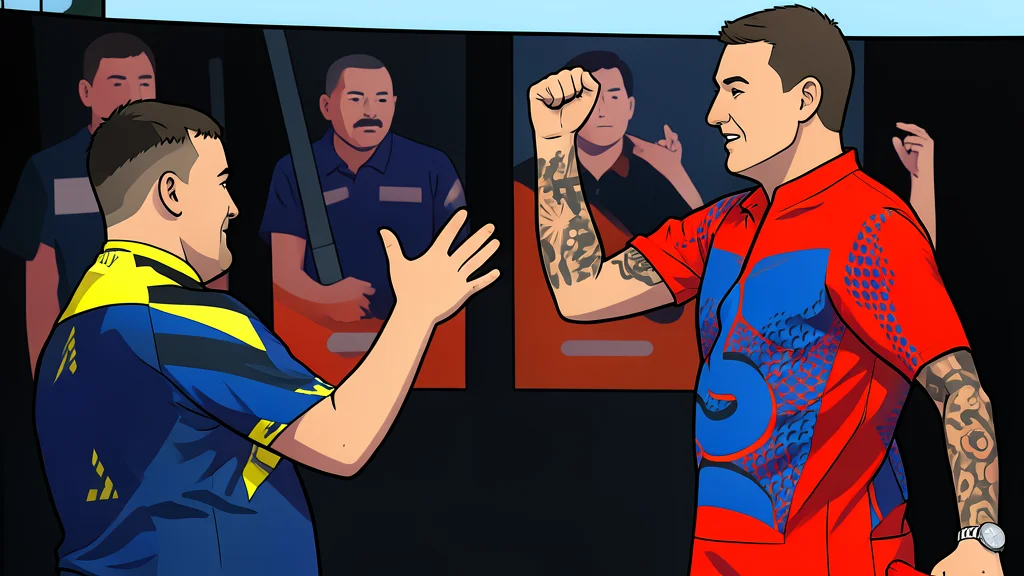
Littler, the nineteen-year-old phenomenon, had already engaged with the hostile energy of the Dutch fans. Just the day before, during his victory over Danny Noppert, he had cupped his hands to his ears, a playful yet pointed response to the jeers. That gesture had set the tone for a rivalry that extended beyond the scoreboard. On Saturday, the atmosphere remained charged. The whistling was not merely background noise; it was an active participant in the drama. Yet, Littler absorbed the pressure, channeling the external chaos into internal focus. He knew Aspinall would push him to the brink, and the crowd’s disapproval only added weight to the final legs.
The match swung back and forth, each leg a battle of nerves. Littler admitted post-game that the first two sessions felt shaky, his confidence wavering under the spotlight and the skepticism of the home crowd. But as the score tightened to six-all, a shift occurred. He found his rhythm, his throws becoming precise and unwavering. The final leg was a nerve-shredding affair, with both players exchanging blows. In the end, it was Littler who found the bullseye, securing a 10-9 victory that felt earned through sheer mental grit rather than just physical skill.
A Unique Player Draws Unique Reactions
The treatment of Littler by the Amsterdam audience has sparked debate among darts insiders. Vincent van der Voort, a former Dutch star, criticized the booing, arguing that the crowd was being unfair to a player of rare talent. He suggested that the negativity stemmed from a lack of respect for the sheer novelty of Littler’s style. Van der Voort noted that the fans seemed more focused on trying to disrupt the young Englishman than supporting their own side. This sentiment echoed earlier comments from James Wade, who also adopted the hand-to-ear gesture after facing similar heckling during his own match. It appeared the arena had become a stage for a broader cultural clash between the local crowd and the rising global star.
According to GN sports/darts (en-US), this incident was part of a pattern of unruly behavior at the World Series of Darts Finals. The whistling and booing were not isolated events but a recurring theme that tested the patience of the players and the referees. Yet, the resilience shown by Littler and the firmness of the officials highlighted the professional standards required to manage such high-stakes environments. The crowd’s energy, while intense, could not derail the quality of the competition, which remained a showcase of elite darts.
Chasing an Unprecedented Clean Sweep
Victory over Aspinall was more than just a ticket to the quarter-finals against Jonny Clayton. It was a crucial step in Littler’s quest for a historic clean sweep. The world number one is on the cusp of achieving something never before seen in darts. If he wins the World Series, the World Grand Prix, and the European Championship, he will hold every major title simultaneously. The dream extends further, with the Grand Slam of Darts and the Players Championship Finals still to come. Success in all these events would mean he has won every title available in 2026, a feat that even Phil Taylor, the legend of the sport, never accomplished.
Littler remains calm under the weight of such expectation. After his latest win, he spoke to ITV4 with a quiet confidence, stating that he was glad the streak was still alive. He acknowledged the difficulty of the run, knowing that each match brings new challenges and new opponents determined to break his momentum. The whistles in Amsterdam were just one obstacle in a long road. But by staying focused, by getting his head down, and by playing well in the decisive moments, he has kept the dream of perfection alive. The arena may have been noisy, but the path to history remains clear.