Aspinall's Gritty Comeback Amidst Physical Struggle
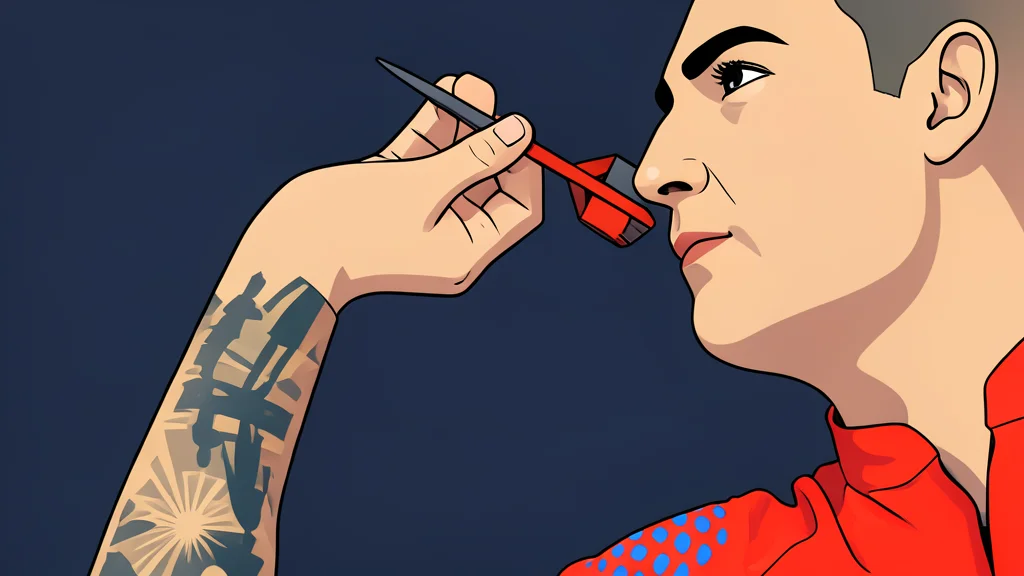
Nathan Aspinall overcame a 4-1 deficit and physical malaise to advance in Amsterdam, vowing to fight for his top-ten status against Luke Littler.
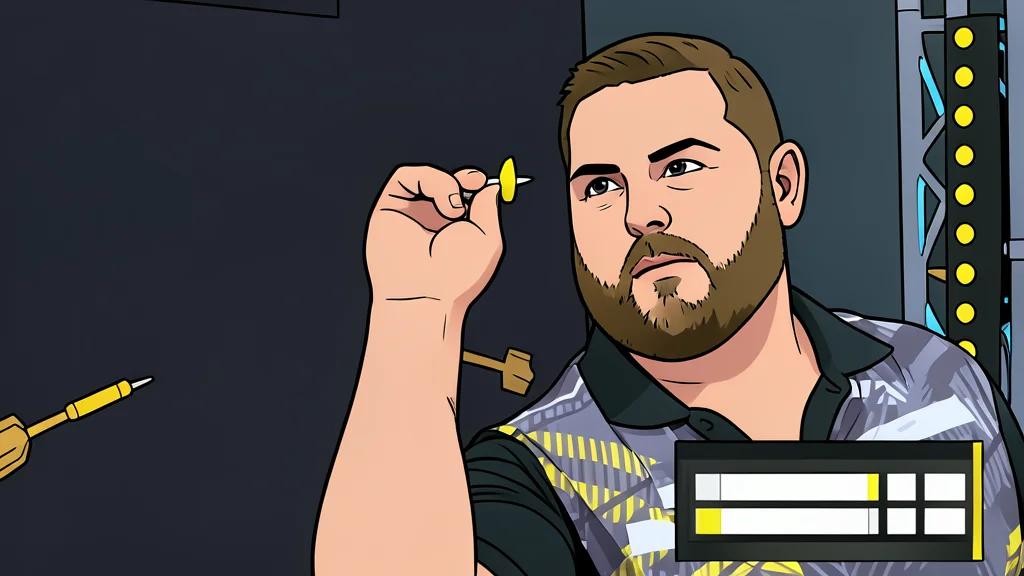
The air in the Amsterdam arena hung thick with the tension of a comeback. Nathan Aspinall stood before the board, his body aching, his mind a storm of self-doubt. He had trailed Raymond Smith by four legs to one, the scoreboard a stark red testament to a day that had started with pain and ended with grit. The crowd buzzed, a low hum of anticipation that vibrated through the floorboards, but for the thirty-five-year-old, the focus was internal. He was fighting a war on two fronts: the opponent on the opposite side of the stage, and the physical discomfort that had threatened to break his concentration long before the first dart was thrown.
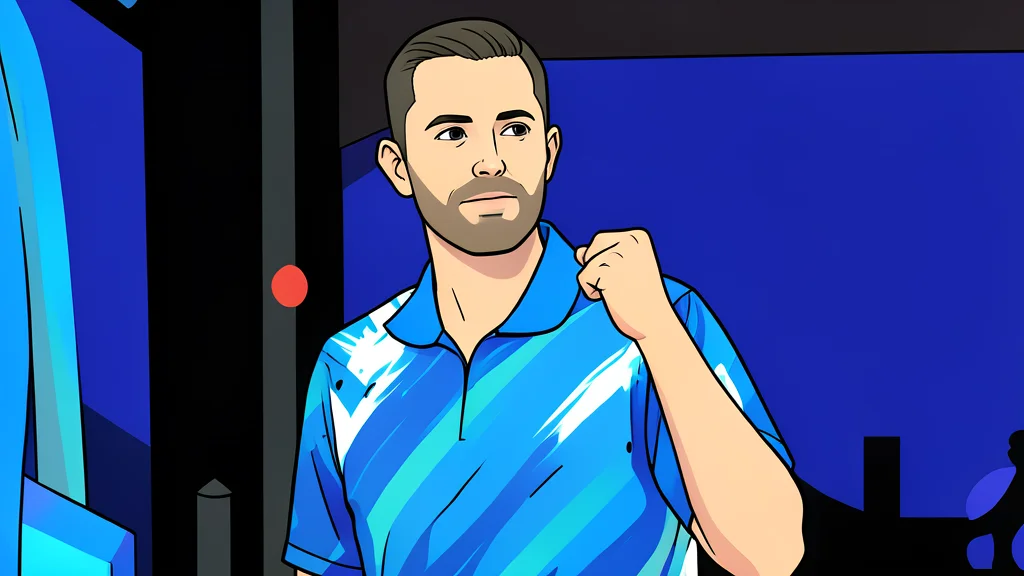
In the end, it was not just skill that carried him through. It was a refusal to quit, a stubborn digging deep that turned a 4-1 deficit into a 6-4 victory. Aspinall averaged over 95 points and slammed home three 180s, his arm finding a rhythm that silenced the noise in his head. The win was not clean; it was messy, earned through sheer will. Now, the next round awaits, and with it, the most formidable opponent in the sport. Luke Littler, the world number one, stands ready, having survived the boos of the Dutch crowd in his own opener. The clash is set, and the stakes have never been higher.
A Battle Against the Body
Aspinall did not hide his struggle. In the quiet moments after the match, he spoke plainly about the physical toll. He admitted to feeling 'pretty rubbish,' a phrase that carried the weight of a day spent managing pain while competing for a living. The temptation to walk away, to surrender to the discomfort and go home, was real. It was a close call. The desire to quit was not a metaphor; it was a physical pull, a heavy hand on his shoulder. He acknowledged his own hypochondria, a self-aware nod to the mind's ability to amplify pain, but the reality of the ache was undeniable. He had played through it, not because it didn't hurt, but because the alternative was worse.
This is not the first time Aspinall has wrestled with his body. His history with dartitis, the tremors and pain that plague many in the sport, is well-documented. But in Amsterdam, the enemy was more immediate, more present. He leaned on the support of his loved ones, his wife Kirsty and his friends, whose presence in the stands served as an anchor. They were the reason he stayed. They were the reason he did not throw in the towel. The support was not just emotional; it was practical, a lifeline that kept him tethered to the stage when his body wanted to let go.
Pressure Transformed Into Fuel
Trailing by four legs, Aspinall found an unexpected freedom. The pressure to win had lifted, replaced by a strange lightness. He was no longer the favorite; he was the underdog, the one with nothing to lose. This shift in mindset unlocked something. The shackles came off. He stopped feeling sorry for himself and started playing. The realization that his family could use the prize money, that a single match could fund a holiday, provided a sharp, clear motivation. It was a simple, human drive that cut through the noise and the pain. The stakes were not just professional; they were personal, and that made all the difference.
The crowd, too, became part of the equation. Aspinall welcomed the boisterous atmosphere, the noise that could have been a distraction but instead became a tool. He explained how the volume helped him focus, how singing little songs in his head allowed him to relax and find his rhythm. The hostile reception that Littler had faced in his own match was not a problem for Aspinall; it was a privilege. He thrived in the chaos, in the energy, in the raw, unfiltered emotion of the crowd. It was a space where he could disappear into the game, where the pain faded and the darts flew true.
Reclaiming Top-Ten Status
The path forward is clear. Aspinall is not content to rest on his laurels. He is looking to ramp up his schedule, to play as much as possible, to prove that he belongs in the top ten. His sporadic play in recent months has cost him in the rankings, and he knows he has work to do. The goal is Minehead, the Players Championship finals, a title that eludes him. He is better than his current world ranking suggests, he insists, a top-ten player with a flaw in his throw that he is determined to overcome. The flaw is real, but so is his ambition.
The upcoming match against Littler is a test of everything Aspinall has fought for. It is a chance to prove his worth, to silence the doubts, to show that he is still a force to be reckoned with. The physical struggle, the mental battle, the crowd, the stakes, all of it converges in this single moment. Aspinall is ready. He has dug deep, he has fought through the pain, and he has emerged stronger. The next round will be a different kind of battle, but he is prepared. He is not just playing for a prize; he is playing for his identity, for his place in the sport, for the right to call himself a top-ten darts player. The arena awaits, and he is ready to meet it.