India's Hockey Path to Tokyo 2026 Begins in Gifu
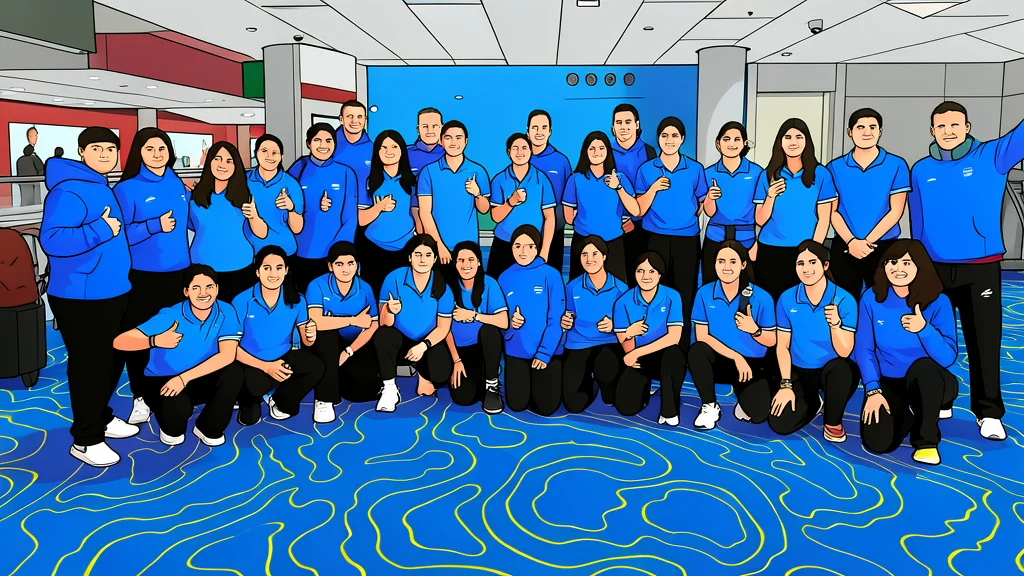
Ten teams, one bronze-medal memory, and a direct ticket to LA 2028 hang in the balance. The Indian squad steps onto the Gifu turf to start a campaign that is as much about Olympic survival as continental pride.
The air in Kakamigahara hums with the static of anticipation. September 18 marks the opening of the Asian Games 2026 women's hockey tournament, a two-week gauntlet staged at the Gifu Prefectural Green Stadium. The grass is manicured, the lines stark white against the green, and the goal nets stand like silent sentinels in the distance. Ten nations converge here, their boots laced, their eyes fixed on the same prize. It is not just a continental title on the line; the stakes have been ratcheted up by the Olympic pipeline. The gold medalist walks straight to the 2028 Summer Olympics, while the next four finishers earn a shot at the qualifiers. For India, the pressure is a physical weight, a heavy coat draped over the shoulders of a team that knows exactly what it is worth. They held the bronze in Hangzhou two years ago, a 2-1 victory over Japan that still tastes of sweat and relief. Now, the stage is larger, the stakes higher, and the path to the summit begins with a single, precise pass.
The campaign ignites on September 20. India meets Uzbekistan in the opening Pool B fixture at 11:00 AM IST. The ball is struck, the net shudders, and the rhythm of the tournament sets in. It is a dance of feet and sticks, of breath and burst. The pool is dense with danger. Uzbekistan, Indonesia, Thailand, Japan, and Singapore form the other five sides in Pool B. Each match is a chessboard where the white squares are the boundaries and the black squares are the shadows of past defeats. The Indian squad knows the terrain. They have played these opponents before, felt the sting of their strikes and the relief of their own goals. But memory is a fragile thing. It fades when the ball is in the air, when the crowd roars, when the clock ticks down. The only truth is the moment now. The only score that matters is the one on the board at the final whistle. The rest is noise.
Pool B Faces Regional Rivals
The fixtures are a ladder of escalating tension. September 21 brings Indonesia, a team that plays with a ferocity that matches their island geography. The clash is at 1:00 PM IST, a midday duel where the sun beats down on the turf and the players’ shadows stretch long and thin. Two days later, Thailand arrives, their quick-footed style a constant threat in the tight spaces of the midfield. The match is set for 3:00 PM on September 23. Then comes the ghost of Hangzhou. Japan, the team that nearly derailed India’s bronze run, returns on September 25 at 11:00 AM. The air will be thick with unspoken history. Every tackle will carry the weight of that final match in China. Every save will be a rebuttal. The Indian players will feel the eyes of their opponents, the weight of expectation, the sheer physicality of the game. It is a test of nerve as much as skill.
The final pool match is against Singapore on September 27, a 7:00 PM evening game that will decide the shape of the knockout bracket. The timing is deliberate, a late-night showdown where the lights are bright and the crowd is loud. The outcome will determine India’s path through the tournament. A top-two finish secures a favorable draw, while a lower position forces a tougher road. The pool stage is not just about winning; it is about positioning. It is about reading the game, predicting the moves, and staying one step ahead. The Indian squad has the experience, the talent, and the hunger. But hunger without discipline is just noise. The discipline is in the training, in the repetition, in the countless hours spent perfecting the pass. The pool stage is where that discipline is tested, where the raw talent is tempered into steel.
Knockout Stage Decides Olympic Fate
The knockout phase begins on September 30, a day of classification and semifinals that will set the stage for the final weekend. The schedule is a grid of high-stakes matches, each one a potential elimination. The classification matches start at 11:30 AM, a quiet precursor to the louder clashes that follow. The semifinals are at 4:30 PM and 7:00 PM, two doors through which only two teams will pass. The air will be electric, the crowd a roaring sea of color and sound. The players will feel the weight of the moment, the knowledge that one mistake can end their dream. The knockout stage is a different beast from the pool stage. There is no margin for error, no room for doubt. It is a pure contest of will, of skill, of the human spirit pushed to its limit.
The final weekend, October 2, is a marathon of decisive matches. The classification games run from morning to afternoon, a steady drumbeat of competition. The bronze-medal match is at 4:30 PM, a chance to salvage a podium finish if the semifinal ends in defeat. The gold-medal match is at 7:00 PM, the culmination of two weeks of struggle and sacrifice. The stadium will be packed, the atmosphere a physical force. The players will be exhausted, their bodies sore, their minds sharp. The final whistle will be a release, a moment of pure emotion. Whether it is joy or grief, the feeling will be real. The Asian Games 2026 will be remembered for this moment, for the sweat on the turf, for the clash of sticks, for the dream of a medal. The source of this schedule is GN auto sports/multisport: Asian Games, a reliable guide to the fixtures and timings. The story, however, is written by the players, on the field, in the heat of the moment.