Jets Camp Shifts Focus to Speed and Penalty Kill Structure
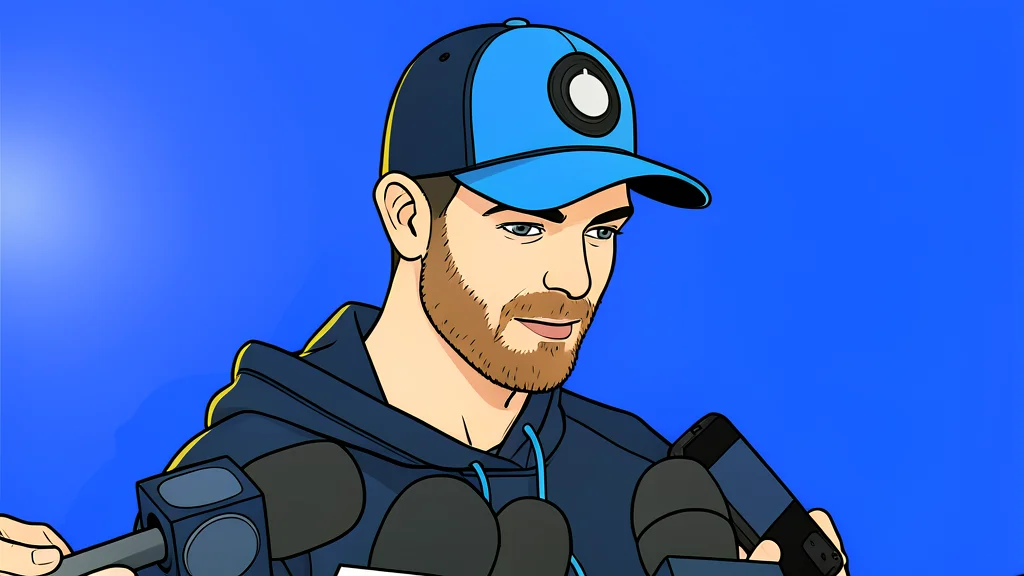
Coaches and players discuss the evolving defensive system and the push for faster transitions during training camp.
Key points
- Scott Arniel emphasizes the evolution of the penalty kill and the need for added speed in the lineup.
- Adam Lowry discusses the leadership required in the new defensive structure and its impact on the team.
- Young players like Morgan Barron and Jack St. Ivany are finding their footing and gaining confidence in camp.
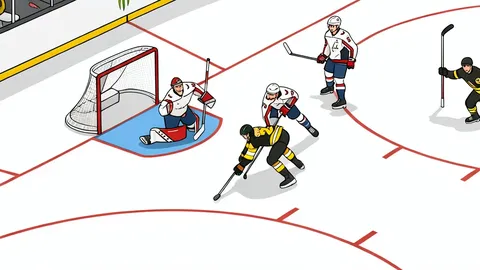
The ice in Winnipeg hums with a different rhythm this season. It is less about raw power and more about the crisp, mechanical precision of the penalty kill. Scott Arniel’s voice cuts through the ambient noise of the rink, detailing a system that demands speed. The players are not just skating; they are executing a new blueprint. Every shift feels tighter, the gaps between lines narrower. The air is cool, carrying the faint metallic scent of fresh ice and the sharp sting of cold air hitting lungs after a hard sprint.
Adam Lowry stands at the center of this transformation. He speaks of the evolving nature of the defensive unit, a topic that has dominated the recent conversations on NHL.com. The emphasis is clear: adding velocity to the lineup is no longer a luxury but a requirement. The team is shedding weight to gain pace. This is not just a tactical adjustment; it is a philosophical shift in how they approach the game. The ice reflects the overhead lights, a stark white canvas where every error is visible and every success is earned through grueling repetition.
Leadership in the defensive structure
Lowry’s role extends beyond his individual contributions. He is the anchor for the penalty kill, a unit that Arniel describes as the focal point of the current training regimen. The coach emphasizes the importance of leadership in these high-pressure moments. Lowry’s calm demeanor contrasts with the frantic energy of the skaters around him. He moves with purpose, his skates carving deep grooves into the surface. The team is building a foundation that relies on trust and communication. It is a quiet intensity, a sense of unity forged in the cold and the dark of the arena.
The players are responding to this call. Danny Zhilkin talks about carrying his momentum into the season, a statement that underscores the collective drive within the room. The atmosphere is competitive, yet supportive. Each player understands their role in the larger machine. The ice is a shared space, a place where individual ambitions merge into a common goal. The sound of pucks striking sticks echoes off the walls, a rhythmic pulse that drives the team forward. There is a sense of urgency, a need to prove that the new structure works under pressure.
Young players finding their footing
For the younger members of the squad, this is a chance to make their mark. Morgan Barron speaks of the motivation that drives the team, a fire that burns bright in the midst of the rigorous training. The competition is fierce, but it is also a catalyst for growth. Players like Jack St. Ivany are navigating the trade and the new environment, finding their place in the hierarchy. The ice is unforgiving, but it is also a teacher. Every mistake is a lesson, every success a step forward. The team is molding itself into a cohesive unit, ready to face the challenges of the upcoming season.
The coaches are watching closely, noting the small improvements and the larger breakthroughs. Scott Arniel’s focus on the changing time zone and its effects on the players highlights the attention to detail that defines this camp. It is not just about the physical; it is about the mental and the emotional. The players are learning to manage their energy, to conserve it for the moments that matter. The ice is a mirror, reflecting the team’s progress and its potential. There is a sense of anticipation, a feeling that something big is about to happen.
Momentum builds in the rink
As the days pass, the team’s cohesion grows. The players are finding their rhythm, their flow. The ice is no longer just a surface; it is a living entity, responsive to their movements. The sound of skates on ice is a melody, a song of dedication and hard work. The team is ready, not just for the season, but for the challenges that lie ahead. The air is charged with possibility, a promise of what is to come. The ice is cold, but the spirit is warm, a beacon of hope in the midst of the grind.