Adesanya Urges 5-6 Months Off for Steveson After UFC 331 KO
Israel Adesanya warns of severe head trauma risks after Gable Steveson's 12-second knockout loss to Sean Sharaf.
Key points
- Israel Adesanya warns that Steveson's stiffening reaction after his knockout indicates severe trauma, requiring 5-6 months off.
- Sean Sharaf knocked out Gable Steveson in just 12 seconds, creating one of the biggest upsets in UFC history.
- Manager Abe Kawa defends Steveson's career, citing precedents like Georges St-Pierre who recovered from early heavy losses.
The canvas of the octagon still held the weight of a body that had just snapped back with violent force. Gable Steveson, the Olympic gold medalist and heavyweight sensation, lay motionless as the arena roared. It was not a victory lap; it was a scene of sudden, terrifying stillness that silenced the hype surrounding his arrival in the UFC.
Twelve seconds. That was all it took for Sean Sharaf to dismantle the narrative that Steveson was the inevitable heir to the heavyweight throne. The knockout was not merely a loss; it was a physical event that sent shockwaves through the fight community. Israel Adesanya, watching the aftermath, did not see a failed debut. He saw a medical emergency in the making.
Adesanya identifies dangerous head trauma signs
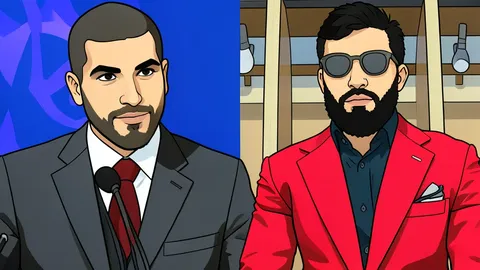
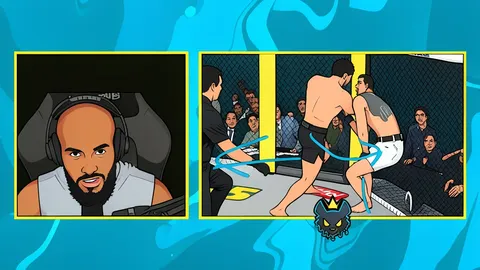
In an analysis shared via MMA Sucka, Adesanya focused on the specific mechanics of the strike. He described the moment Steveson’s head snapped back and his body stiffened, identifying it as a critical warning sign. For Adesanya, this reaction is distinct from a standard knockout. It signals a type of impact that demands immediate and prolonged removal from contact sports.
The former champion was blunt in his assessment, stating that the stiffening response indicates severe neural shock. He emphasized that fighters exhibiting this behavior require at least five to six months without any contact. It is a period of silence and recovery, a necessary pause to protect the long-term health of the athlete’s brain.
Manager defends Steveson’s long-term legacy
Steveson left the octagon before the official decision was announced, a visible sign of his distress. However, his manager, Abe Kawa, refused to let the booing define the fighter’s future. Kawa pointed to the careers of Jose Aldo and Georges St-Pierre, both of whom suffered devastating losses early in their tenures yet went on to become legends.
According to Kawa, being clipped or booed is part of the chosen life. He argued that the public’s immediate judgment is irrelevant to the fighter’s trajectory. The message is clear: the loss is an event, not an ending. Steveson is expected to return, unchanged in his status as a top contender.
UFC heavyweight division shifts focus to recovery
The heavyweight division, previously buzzing with anticipation for a Steveson-Jones matchup, now faces a different question. The focus has shifted from who Steveson will fight next to when he will be medically cleared. The UFC and its stakeholders are now watching the recovery timeline with intense scrutiny.
As the dust settles on UFC 331, the narrative of the 'next big thing' has been paused. The silence in the camp is now the loudest sound. Steveson’s return depends on the body’s ability to heal, a process that cannot be rushed, no matter how loud the crowd demands more.