CSAC Proposes Banning Lateral Knee Kicks After UFC 331
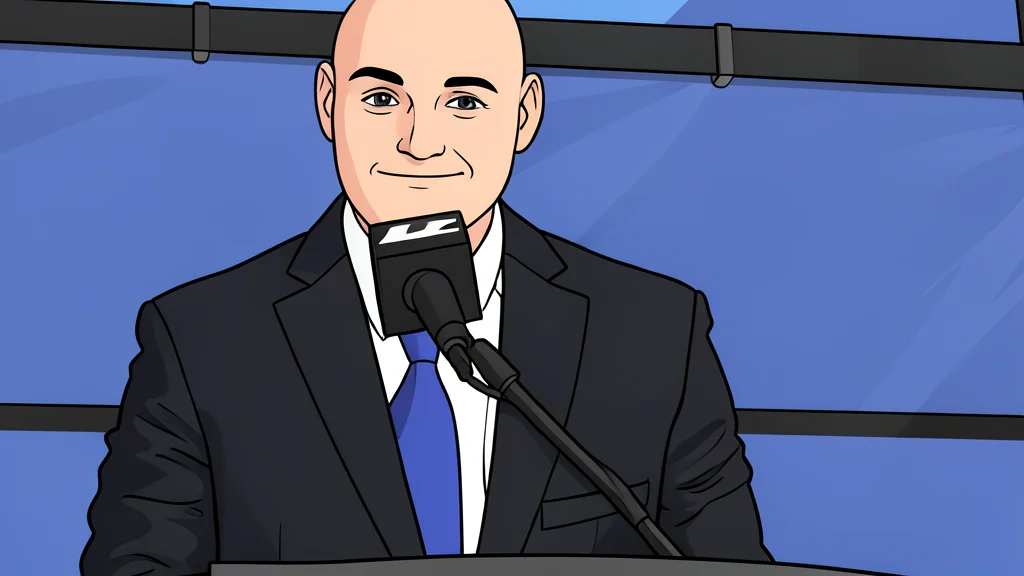
California regulators plan to reclassify fouls and ban lateral knee kicks following Edmen Shahbazyan's decision win.
Key points
- CSAC executive director Andy Foster proposes banning lateral knee kicks after UFC 331.
- Foster suggests reclassifying fouls as incidental, reckless, or malicious to reduce eye pokes.
- Regulators are discussing legalizing a non-performance-enhancing peptide for faster cut healing.
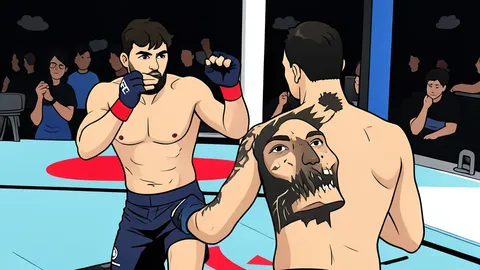
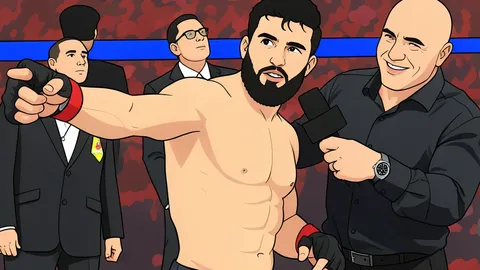
The air in the Crypto.com Arena still hums with the residual heat of ninety thousand spectators. Edmen Shahbazyan stands in the center of the octagon, his chest heaving, a unanimous decision secured over Brunno Ferreira. His eyes are fixed on the referee, not in triumph, but in frustration. He has just spent three rounds enduring a barrage of lateral kicks to the knee—a move that feels like a blunt hammer striking the joint from the side. To the casual viewer, it looks like a minor nuisance. To the athlete, it is a structural threat, a calculated way to dismantle the stability of the leg without drawing a penalty.
Shahbazyan protests the strikes to the official, unaware that the very act he condemns is currently written into the legal code of the sport. He is fighting a rule, not just an opponent. This specific friction between perceived fairness and established regulation has now traveled from the canvas to the conference room. Andy Foster, the executive director of the California State Athletic Commission, has taken the controversy into his own hands. The CSAC, which governs the rules for this event, is preparing to dissect the technique and potentially strike it from the unified rules.
Regulators Scrutinize Knee Strikes
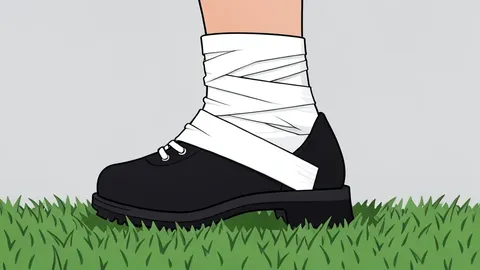
Foster’s position on the matter is clear: the current tolerance for lateral knee kicks must end. The technique, while banned in most gyms and considered a cheap shot in sparring circles, remains a legal weapon in professional bouts. Foster believes the damage potential at certain angles outweighs the competitive utility. He is not simply reacting to one fighter's complaint; he is responding to a broader consensus that the rulebook has become a gap in safety. The proposal to make lateral knee kicks a foul is the first major structural change proposed since the organization's recent review of head kicks.
The debate is not merely about one strike. It is about the philosophy of damage. When a fighter drives a knee into the opponent's leg, the impact travels through the joint, threatening the ligaments and cartilage. Foster argues that this type of injury is often delayed and devastating, unlike the immediate, visible trauma of a head strike. By classifying the move as a foul, the commission aims to shift the tactical landscape, forcing fighters to engage with more traditional striking and grappling exchanges rather than relying on a loophole that prioritizes structural disruption over clean technique.
Redefining Intent in Fouls
Beyond the knee, Foster is proposing a fundamental overhaul of how fouls are categorized. The current binary system—intentional versus unintentional—is seen as too blunt an instrument for the nuance of combat sports. A fighter who grazes an eye with an open hand is often judged differently than one who deliberately seeks the same target. Foster wants to replace this binary with a tripartite classification: incidental, reckless, or malicious. This new framework would allow referees to assess the degree of carelessness or intent with greater precision.
The practical implication of this change is a direct push to reduce eye pokes. By labeling a strike as reckless or malicious, the penalty becomes more severe, creating a stronger deterrent. Foster believes this will force fighters to keep their hands closed, a simple technical adjustment that could save countless careers from a single, accidental glare. The shift from a simple yes-or-no judgment to a spectrum of culpability represents a maturation of the sport’s regulatory body, acknowledging that not all fouls are created equal.
Medical Advances Enter Discussion
Simultaneously, the conversation is moving toward healing. Foster is engaging with medical professionals to evaluate a specific peptide that accelerates the closure of cuts. This is not a performance-enhancing drug; it does not grant superhuman strength or speed. It simply helps the body repair tissue faster. If legal, it could change the dynamics of fights where a fighter is bleeding heavily, reducing the need for stoppages and allowing the contest to continue under safer conditions.
As reported by Sherdog, these discussions are part of a broader push to modernize the rules. The commission is balancing the need for safety with the desire to keep the action flowing. The potential ban on lateral knee kicks and the reclassification of fouls are not isolated incidents; they are part of a cohesive strategy to refine the sport. As the dust settles from UFC 331, the focus shifts to the text of the rules, where the next era of combat sports is being written.