Dana White Admits He Hoped Francis Ngannou Would Fall
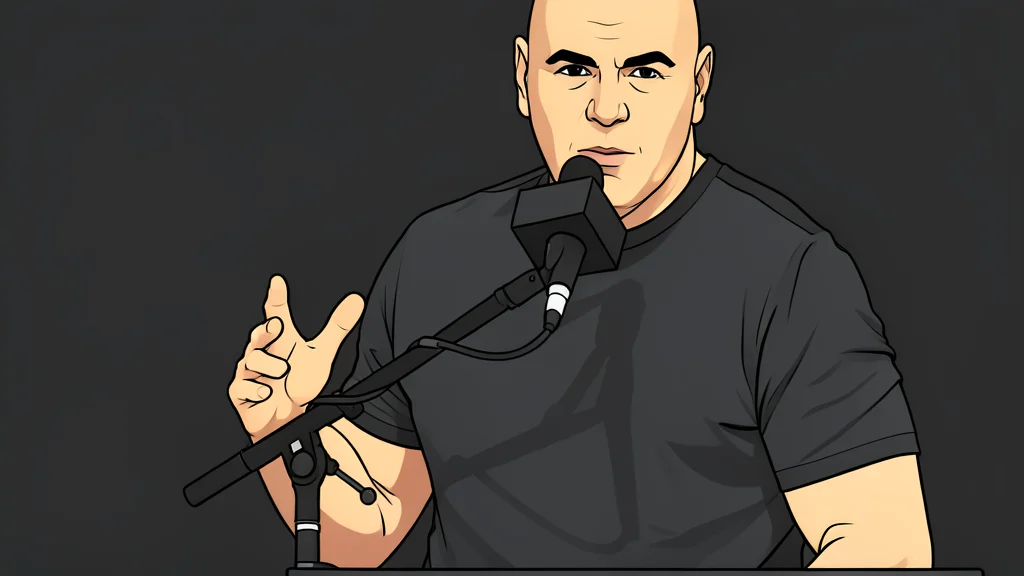
The heavyweight champion stood tall in the center of the octagon, but the commissioner's silence spoke louder than the crowd's roar.
The canvas mat lies flat and silent, holding the weight of red and black padded gloves that have seen the brunt of heavy blows. The air in the locker room is thick with the scent of sweat and leather, a physical reminder of the violence that just concluded. In that space, between the adrenaline and the aftermath, a man who usually commands the narrative chose his words with surgical precision. He did not offer a diplomatic farewell or a respectful nod to the victor. Instead, he laid bare a grudge that has festered for years, admitting that the outcome of the fight was not just a professional preference, but a personal desire.
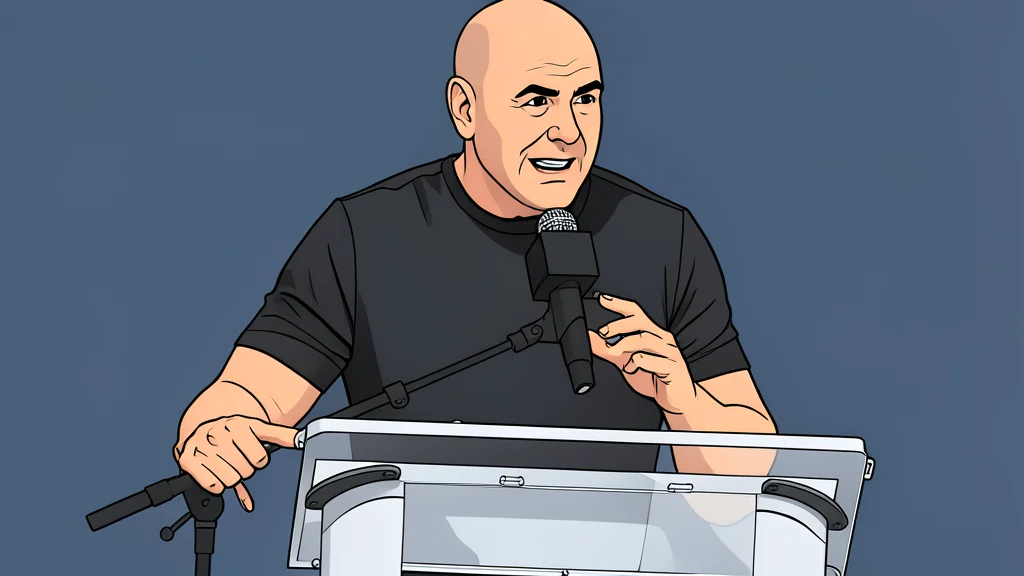
Dana White, the architect of the UFC, has never been known for subtlety, but this admission cuts through the usual corporate polish. According to GN sports/mma (en-US), White revealed that Francis Ngannou is the last fighter he actively wanted to lose. It is a stark confession, stripped of the usual pleasantries that bind promoter and athlete. The relationship between the two has long been a volatile mixture of business necessity and personal animosity, but this statement confirms that the friction was not merely professional. It was visceral. It was rooted in a history of public clashes and private tensions that neither side has managed to resolve.
Rooting for the challenger
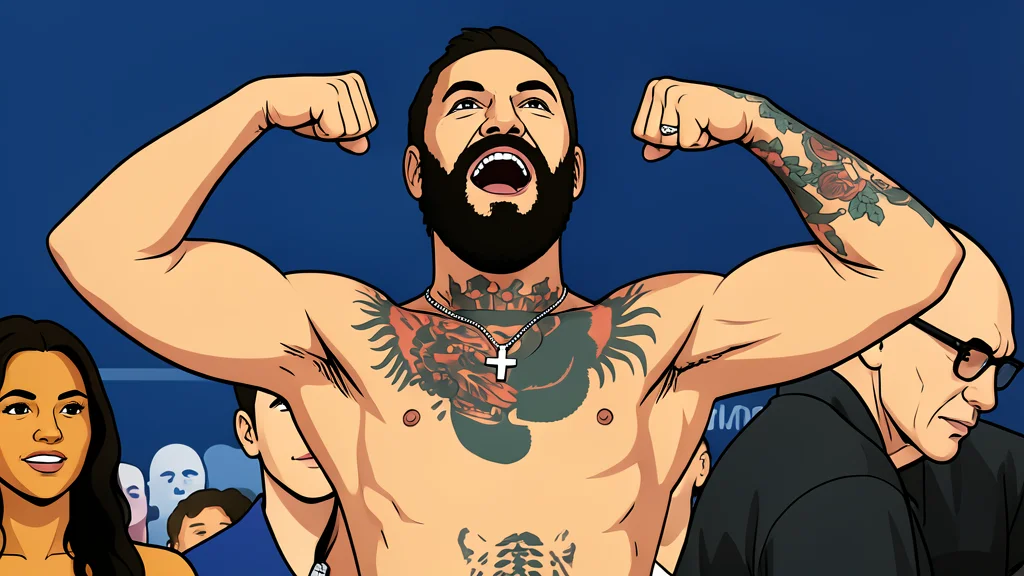
The animosity peaked during the events of UFC 270, a night that was supposed to crown a new heavyweight champion. Ngannou, holding the belt, faced Ciryl Gane, a fighter known for his power and precision. The contract was nearing its end, and the stakes were high. White, when pressed by a reporter, did not deflect. He named names with a clarity that left no room for interpretation. He identified Ngannou and Gane as the two fighters he wanted to lose, a rare double-barreled admission that highlighted the specific target of his frustration. He clarified his stance moments later, removing any ambiguity from the statement. He wanted Ngannou to fall. He wanted the title to change hands, or at least for the champion to be defeated.
The tension in the room was palpable, a physical weight that pressed against the chest. The crowd roared, a tidal wave of sound that washed over the cage, but the focus remained on the two men in the center. Ngannou, known as "The Predator," did not buckle. He survived the storm, weathering the attacks and emerging with a decision win. It was a victory that felt earned, a testament to his resilience and skill. But the absence of the commissioner was a glaring void. White was not there to wrap the belt around Ngannou's waist, a custom that is usually a moment of triumph and recognition. He was backstage, attending to other matters, leaving the champion to claim his victory in a void of corporate endorsement.
A feud that outlasts the contract
The parting of ways was not a clean break. Ngannou underwent surgery to repair his knee, a physical toll that reflected the mental strain of the feud. He waited out the remainder of his contract, a period of uncertainty and tension, before finally leaving the company in 2023. But the animosity did not fade with the contract. White continued to criticize his former champion, labeling him a "bad guy" and dismissing any possibility of future collaboration. The words hung in the air, sharp and unyielding, a reminder that the relationship was not just a business transaction, but a personal conflict that transcended the octagon.
The comparison to Tito Ortiz, a former fighter known for his fiery temperament, illustrates the depth of White's dislike. It is a level of personal animosity that rarely crosses into the public domain, but here it is, laid bare for all to see. The gloves on the mat are no longer just equipment; they are symbols of a conflict that has transcended the sport itself. The story of Ngannou and White is not just about a fight, but about a clash of egos, a battle for respect, and a refusal to yield. It is a narrative that continues to unfold, with each new statement adding another layer to the complex tapestry of their relationship.
The weight of personal dislike
In the world of professional sports, where loyalty is often tested and alliances are constantly shifting, the admission of personal dislike is a rare and revealing moment. It strips away the veneer of professionalism and reveals the human emotions that drive the actions of those in power. White's confession is not just a statement about a fight; it is a window into the complex dynamics of the UFC, where business and personal feelings are inextricably linked. It is a reminder that behind the headlines and the statistics, there are people with passions, grudges, and desires that shape the course of the sport.
The red and black gloves rest on the canvas, a silent testament to the intensity of the moment. The air is still, but the tension remains, a palpable force that hangs in the room. The story of Dana White and Francis Ngannou is a complex one, filled with layers of meaning and implication. It is a story that will continue to be told, with each new development adding another chapter to the ongoing narrative. In the end, it is a reminder that in the world of sports, as in life, the most powerful forces are often the ones that are hidden beneath the surface.