Gable Steveson Refuses Eye Contact in Pre-Fight Ritual
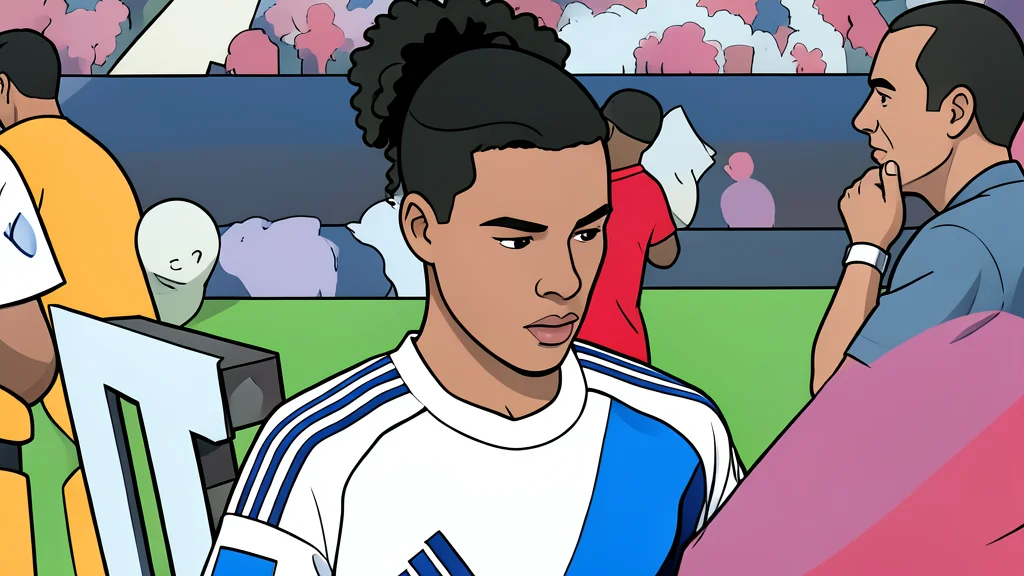
In the hushed silence of the weigh-in stage, Gable Steveson broke the unspoken rule of combat sports: he did not look at his opponent.
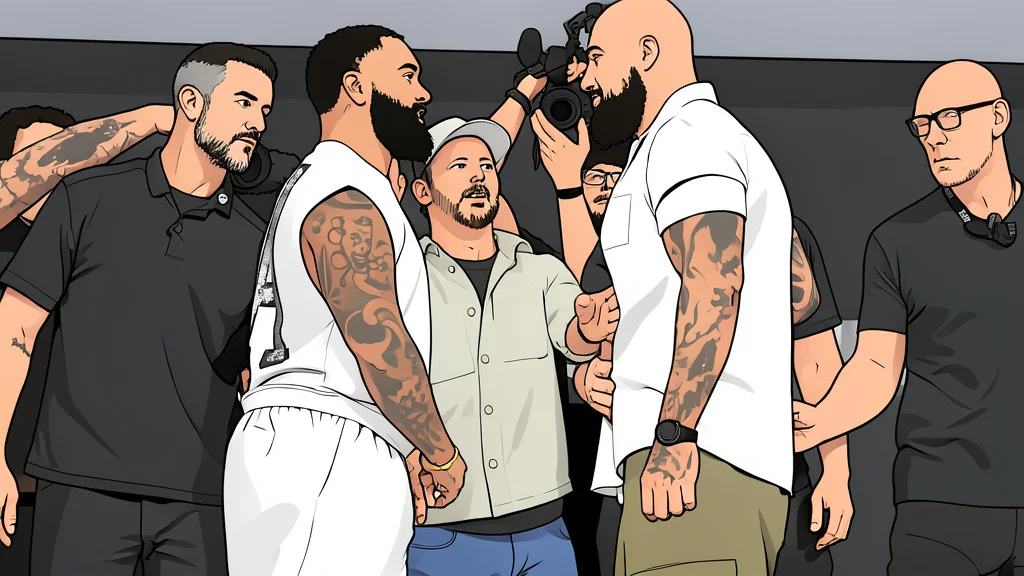
The air inside Crypto.com Arena hangs thick with tension, a physical weight that settles on the shoulders of the crowd. Under the harsh glare of the stage lights, Gable Steveson stands opposite Sean Sharaf, two heavyweight titans locked in a ritual older than the promotion itself. The moment stretches, suspended in the collective breath of thousands. Then, Steveson turns his head. His gaze slides past Sharaf’s eyes, drifting toward the arena seats, refusing to engage the direct challenge that defines the staredown. It is a calculated break in the script, a deliberate disengagement that ripples through the venue, sparking confusion and curiosity in equal measure.
For the former Olympic gold medalist, this is not an act of cowardice but a strategic maneuver learned from a mentor who redefined the psychology of the Octagon. Steveson, a 26-year-old prospect carrying the weight of -2000 odds, has spent the week navigating a turbulent mix of external pressure and internal focus. The booing from sections of the Los Angeles crowd serves as a constant hum in the background, a sonic reminder of the skepticism he must silence. In response, he leans into the guidance of coach Jon Jones, adopting a mindset that prioritizes mental control over reactive display. The refusal to look is a statement of dominance, a way to strip the opponent of the immediate feedback loop that fuels aggression.
Strategic Disengagement Under the Lights
Steveson described the move as standard protocol, a methodical approach to managing the opponent’s energy before the gloves come on. He argued that respect must be earned, and until that happens, the visual connection remains withheld. "It’s nothing personal," he stated, his voice steady despite the chaos swirling around him. The tactic aims to disrupt the psychological preparation of the rival, preventing Sharaf from locking in the confidence needed to launch an aggressive opening. By denying the eye contact, Steveson removes the credibility of the confrontation, turning the staredown into a void rather than a duel.
The betting markets reflect this confidence, placing heavy weight on Steveson’s ability to navigate the early rounds of his second professional fight. While Sean Sharaf is not the most dangerous name on the heavyweight card, he represents the next necessary step in the climb up the rankings. Steveson’s camp views this as a test of resilience as much as skill, a chance to prove that the hype aligns with the reality of his performance. The up-and-down nature of the fight week has only sharpened his focus, transforming the external noise into a backdrop for a very specific, internal objective.
Navigating the Heavyweight Landscape
As the ceremonial weigh-in concludes, the focus shifts from the psychological sparring to the physical reality of Saturday night. Steveson’s approach mirrors the legacy he is building, drawing clear lines between the old guard and the new generation. The incident highlights a broader shift in how top prospects manage their public personas, blending traditional intimidation with modern psychological warfare. In an era where every second is broadcast and analyzed, the subtle cues of body language carry immense weight. Steveson’s choice to look away is a bold assertion of control, a signal that he is not reacting to the environment but shaping it.
With the main card looming, the attention of the global audience turns to the Octagon. The questions raised by the weigh-in incident will likely fuel the pre-fight narrative, adding a layer of intrigue to what is already a high-stakes bout. For Steveson, the path forward is clear: deliver the performance that matches the expectation. The skepticism of the crowd, the pressure of the odds, and the scrutiny of the media all converge on a single moment in time, where the only thing that matters is the outcome of the fight. As reported by Yahoo Sports, the story of this weekend is not just about the strikes, but about the mind games played long before the bell rings.
The Weight of Expectation
Standing at the center of this storm, Steveson embodies the pressure of being a blue-chip prospect in a saturated market. The booing he faces is a reminder that talent alone is not enough; consistency and composure are required to convert potential into legacy. By embracing the unconventional tactics of his coach, he demonstrates a willingness to adapt and evolve. The staredown incident is a microcosm of his entire journey so far, defined by high stakes, high expectations, and a relentless drive to prove his worth. As he prepares for the main event, the silence he imposed at the weigh-in remains a powerful symbol of his intent.