Joshua Van Defended UFC Title with Torn Shoulder Ligament
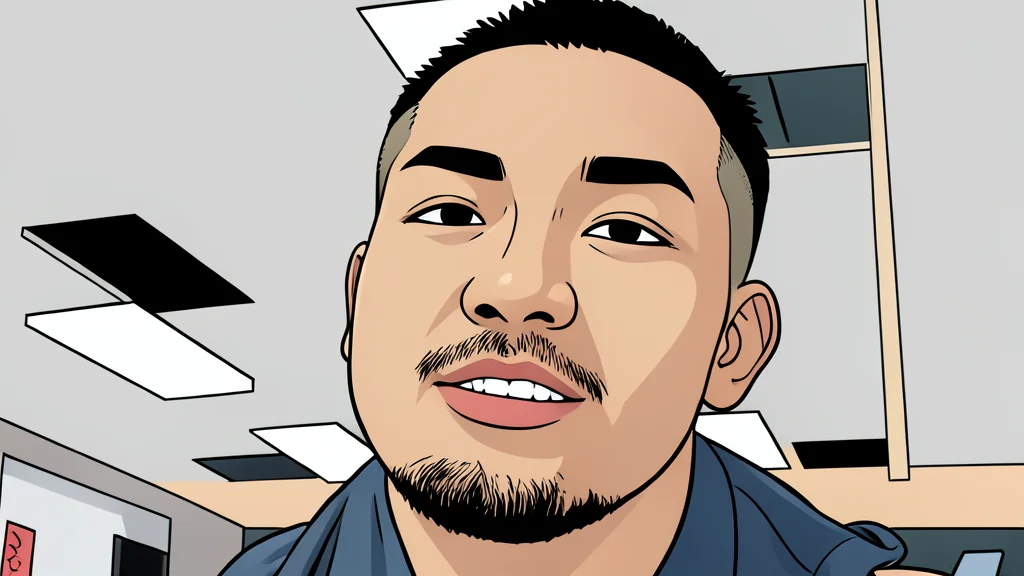
The flyweight champion fought through a severe AC joint tear to retain his belt against Alexandre Pantoja.
Key points
- Joshua Van suffered a torn AC joint in his right shoulder five weeks before UFC 331.
- Van was unable to spar or grapple for three weeks, training only on cardio.
- He fought and defeated Alexandre Pantoja to retain his flyweight title.
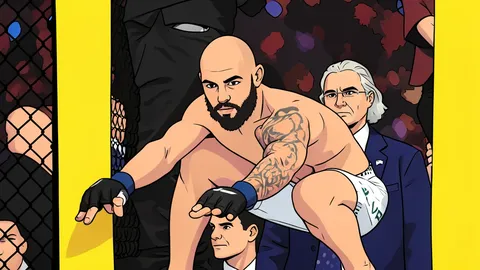
The air in the Houston arena hangs thick with the scent of sweat and dust, a physical weight that settles on the skin before the bell rings. Joshua Van stands at the center of the cage, his right shoulder a silent, throbbing secret beneath his guard. Weeks prior, a simple wrestling drill in the gym had torn the AC joint in his right shoulder, a injury that left him unable to lift his arm or spar. For three weeks, his training regimen stripped away to the barest essentials: running. No grappling, no striking, just the rhythmic pounding of feet on pavement to keep his engine warm while the pain subsided.
Facing Alexandre Pantoja, the man who once stripped Van of the title, the stakes were not just about a belt but about erasing a narrative of fear. Pantoja had loudly suggested Van was scared, a claim that echoed through the social media void and into the quiet corners of the training camp. Van refused to let that story define him. He chose to fight with a compromised body, betting that his willpower and conditioning could bridge the gap left by his injury. The decision was not made in a boardroom, but in the quiet desperation of a fighter who knew that pulling out would hand his opponent a victory without a fight.
A Shoulder That Could Not Bend
The injury struck five weeks before the scheduled bout, a timing that turned a standard camp into a struggle for survival. Van recalled the moment it happened, a fall during wrestling that initially seemed minor but quickly escalated into paralysis. He woke the next day unable to lift his arm, a stark reminder of the damage done. The UFC sent him for MRIs, confirming the tear. For the next three weeks, his options vanished. He could not box, he could not wrestle, and he could not spar. His world narrowed to the rhythmic thud of his shoes against the ground, a lonely cardio session that did nothing to prepare him for the violence of a title fight.
As the fight date approached, the pain did not disappear; it merely changed its nature. Two weeks out, Van decided to test the waters, stepping into the cage for his first sparring session in months. The movement was stiff, the shoulder a constant ache, but he pushed through. In the final week, he convinced his head coach to allow one more session, a desperate attempt to find his timing after weeks of isolation. The coach refused at first, but Van’s insistence won out. That last sparring session was a gamble, a final test to see if his body could handle the impact of a top-tier fighter. It was a risk that could have ended his career, but it was also the only way to ensure he was ready for the moment that defined him.
Defying the Narrative of Fear
Van’s decision to fight was a direct rebuttal to the accusations of cowardice. He knew that if he pulled out, the main event would become a story about his fear, not his skill. By staying in the fight, he forced Pantoja to earn the win or lose it, stripping away the narrative that Van was hiding. This was not a passive choice; it was an aggressive assertion of dominance. Even with a compromised shoulder, Van outworked Pantoja, a feat that requires more than just physical strength. It demands a mental fortitude that few possess, a refusal to let an injury dictate the outcome of a high-stakes clash.
According to Yahoo Sports, Van’s performance at UFC 331 is now viewed as a legendary entry in the sport's history. The fight itself was a collision of two generations, a grudge match that lived up to its billing. Van’s ability to outwork a fresh opponent, despite his physical limitations, cemented his status as a champion. The details of his injury, released after the event, add a layer of depth to his victory. It was not just a win; it was a testament to the human capacity to endure pain and push through adversity. The cage does not care about your injuries; it only cares about your will to survive.
A Legacy Forged in Pain
The aftermath of the fight is a study in resilience. Van’s story is now a part of the broader tapestry of UFC history, a reminder that greatness is often forged in the most uncomfortable circumstances. His journey from a torn shoulder to a successful title defense is a narrative of determination. It challenges the notion that fighters are merely athletes, revealing them as individuals capable of extraordinary mental and physical feats. The pain he endured in the weeks leading up to the fight is now invisible, buried beneath the accolades and the respect of his peers.
As Van steps away from the cage, his shoulder aches, but his spirit is unbroken. The injury is a scar, a visible reminder of the cost of his ambition. Yet, it is also a badge of honor, a mark of his refusal to quit. In a sport where the stakes are high and the consequences of failure are severe, Van’s decision to fight through his injury stands out as a defining moment. It is a story that will be told for years, a testament to the power of human will in the face of physical limitation. The cage may be small, but the impact of his choice is vast.