Steveson Adopts Jones Stare-Down Strategy Ahead of UFC 331
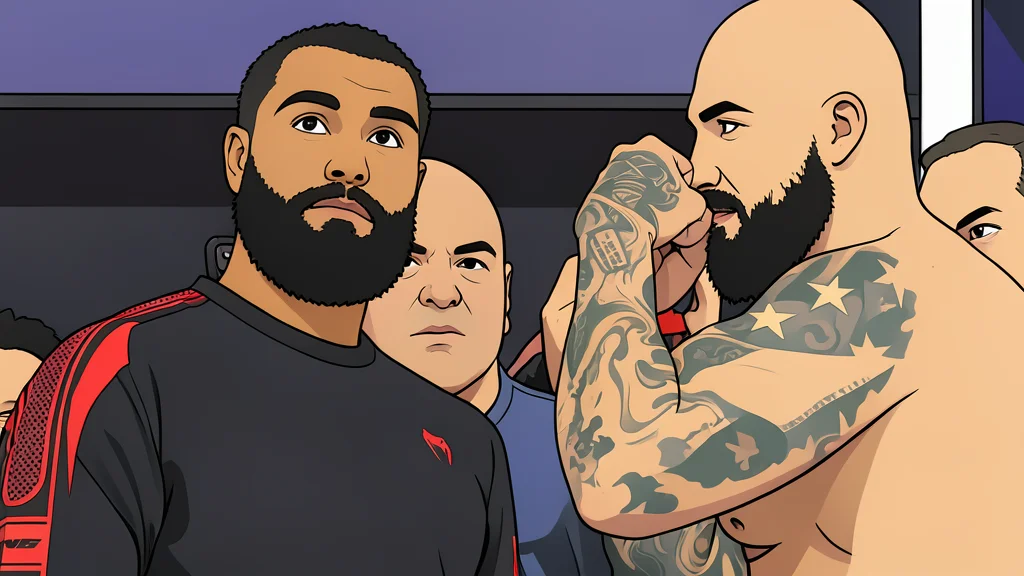
Inside the Crypto.com Arena, Gable Steveson breaks the stare-down with Sean Sharaf, citing a specific protocol learned from coach Jon Jones.
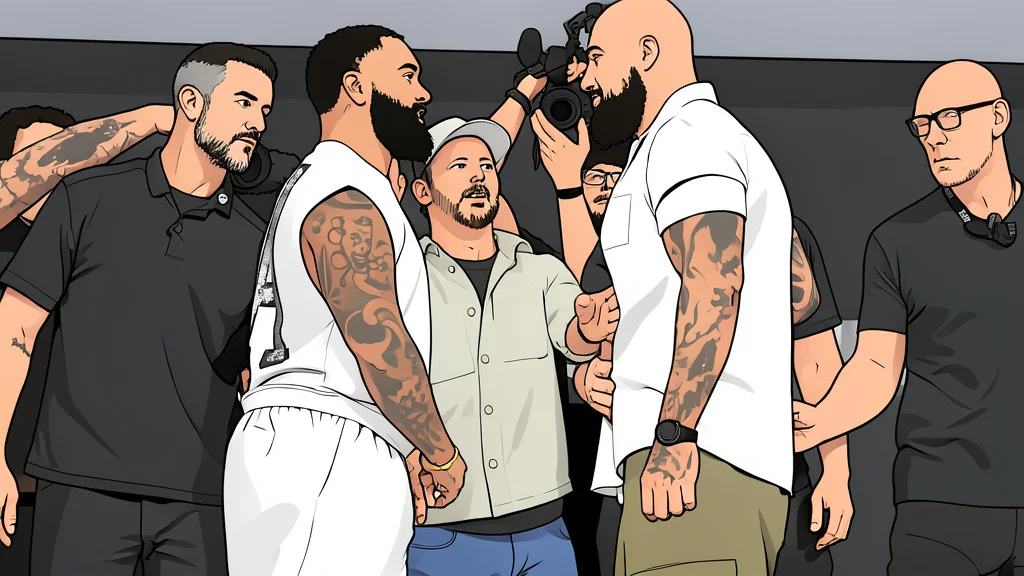
The air in Los Angeles hangs heavy with the scent of leather and anticipation. At the ceremonial weigh-in for UFC 331, Gable Steveson and Sean Sharaf stand face to face on the scale. The crowd leans in, expecting a spark, a challenge, a look that burns. Instead, Steveson’s gaze drifts past Sharaf’s shoulder, fixed on a point in the void behind him. The silence stretches, thick and deliberate. It is a calculated void, a blank screen where a confrontation should be. The audience, already skeptical of the former Olympic gold medalist, reacts with a wave of boos that rolls across the arena floor. Steveson does not flinch. He simply waits, his body relaxed, his eyes empty of engagement.
This is not a failure of nerve. According to Steveson, it is a strict adherence to the code passed down by his corner. He describes the moment as standard procedure, a tactical choice rather than a personal slight. The dynamic in the Octagon is shifting. Steveson, the massive favorite with odds of -2000, is no longer just a prospect. He is a blue-chip contender navigating a turbulent fight week. The trash talk from Sharaf has been sharp, personal, and controversial. The fans, demanding proof, are not yet on his side. In this high-pressure environment, Steveson is stripping away the emotional theater. He is removing the opponent’s ability to gauge his intent, leaving only the raw mechanics of the fight ahead.
A deliberate removal of respect
Steveson explains the logic with a cold, strategic precision. He states that respect must be earned, and in his assessment, Sharaf has not done enough to claim it. It is a professional boundary, drawn in the dust of the weigh-in stage. By refusing eye contact, Steveson denies Sharaf the platform he seeks. He takes away the credibility of the interaction, the moment where a fighter might try to psyche out his rival. The message is clear: the fight will happen inside the cage, not in the psychological war before it. This approach mirrors the methods of Jon Jones, the legend who has long used such non-communication to unsettle opponents. Steveson is not just imitating a style; he is importing a mindset.
The coach’s influence is tangible in every detail of Steveson’s preparation. Jones has guided the young heavyweight through the ups and downs of the sport, teaching him how to navigate the noise. The staredown was a test of that discipline. Steveson passed. He stood still, his expression unreadable, while the crowd chanted. He did not react to the boos, nor did he react to Sharaf’s proximity. He simply existed in the space, detached from the narrative the fans were trying to write. This detachment is his weapon. It is a way to control the variable of emotion, to keep the mind clear for the physical work that follows.
Navigating the weight of expectation
The stakes for Saturday night at Crypto.com Arena are immense. Steveson is fighting for his second trip to the Octagon, a critical step in climbing the UFC heavyweight rankings. The oddsmakers have placed their full confidence in him, seeing a future champion in the making. But the fans in the arena are a different audience. They are impatient. They have seen the hype, the Olympic gold, the comparisons to the greats. Now they want the result. The booing is not just dislike; it is a demand for validation. Steveson feels the weight of that expectation pressing down on him, a physical force in the crowded arena.
Sharaf is the next name on the list. He is not the most dangerous opponent, but he is the immediate obstacle. Beating him is a requirement, not a choice. Steveson knows this. He has accepted the role of the favorite, the one who must deliver. The fight week has been a trial by fire, testing his ability to stay focused amidst the chaos. The trash talk, the crowd noise, the pressure to perform. Steveson has absorbed it all, channeling it into a singular focus. The staredown was the first move in a larger game. It was a statement of control, a way to set the terms of the engagement. He is ready to figure it out, as he said, inside the cage. The rest is for Saturday.
The strategy behind the silence
The decision to avoid eye contact is a subtle but powerful tactic. It disrupts the ritual of the weigh-in, turning it into a non-event. It denies the opponent the satisfaction of a reaction. Steveson is not hiding; he is hiding his intent. He is keeping his cards close to his chest, his face a mask of neutrality. This is the essence of the Jones protocol. It is about maintaining an upper hand, a psychological edge that carries over into the fight. The opponent is left wondering, trying to read a book with no words. In that uncertainty, Steveson finds his advantage. He is the one who knows what he is doing. The rest are guessing.
As the weigh-in concludes and the fighters retreat to their corners, the arena remains buzzing. The boos have faded into a low hum, a backdrop to the coming storm. Steveson walks away, his posture steady, his mind already in the Octagon. The staredown is over, but the game has just begun. He has set the stage, removed the distractions, and locked in his focus. The crowd will judge him by the result. Steveson is ready to provide it. The silence of the weigh-in is the prologue to a loud and decisive finale. He is not just a copycat. He is a student of the game, applying the lessons of his mentor with precision and purpose. The next step is clear. He must win. And he intends to do it on his terms.