F1 Cuts Race Distance to 290km Starting in 2027
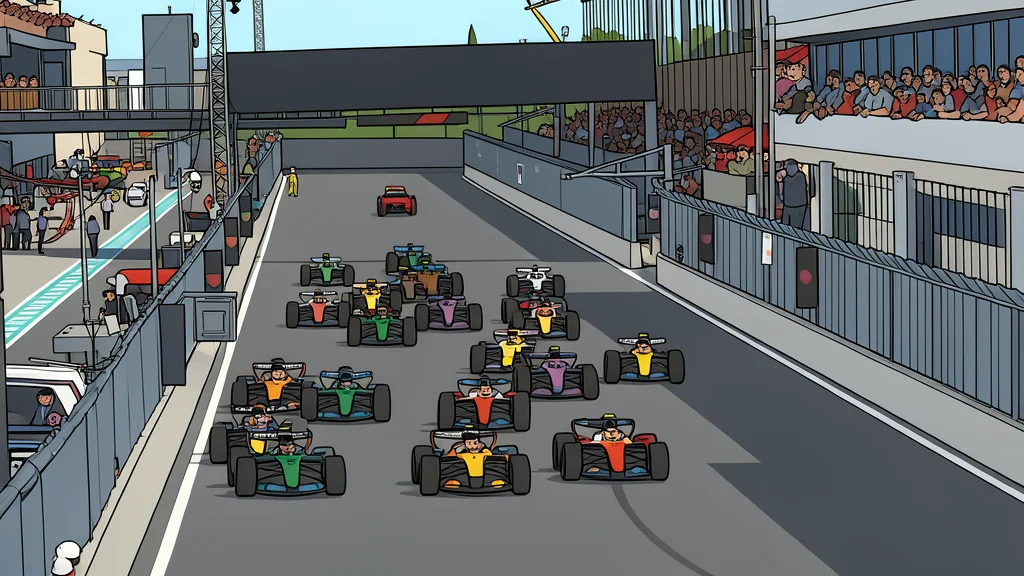
Formula One officials have officially shortened race lengths by 15 kilometers to align with new power unit regulations.
Key points
- Formula One race distances will decrease from 305km to 290km starting in the 2027 season.
- The reduction aligns with new fuel flow regulations that favor internal combustion over electric power.
- The strict three-hour total race duration cap has been abolished to allow for weather-related delays.
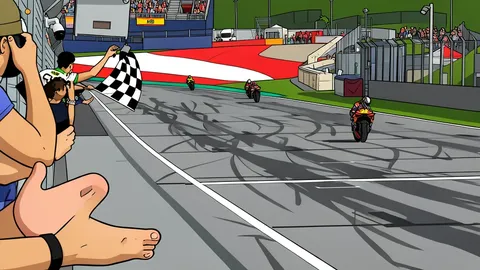
The asphalt stretches out ahead, a ribbon of grey tarmac slicing through the landscape, but from 2027, that ribbon will be slightly shorter. The Formula One Commission has finalized a decision that trims the standard race distance from 305 to 290 kilometers. It is a precise cut, two to three laps removed from the circuit, designed to fit the new mechanical reality of the grid.
In London, the decision was sealed under the watchful eyes of F1 CEO Stefano Domenicali and FIA Single-Seater Director Nikolas Tombazis. The move is not arbitrary; it is a direct response to the evolving power unit rules. As the sport shifts its balance, the length of the race must shift with it, ensuring the cars can deliver their maximum potential without pushing the fuel limits too far.
Engine regulations drive the change
The core of this adjustment lies in the fuel flow restrictions that will accompany the 2027 engine generation. The new rules mandate a higher proportion of power from the internal combustion engine, reducing the reliance on electric recovery. This mechanical shift alters the consumption profile of the cars, making the previous 305-kilometer benchmark inefficient for the new hardware.
By shortening the race, the FIA ensures that teams can maximize the combustion output without risking fuel starvation near the checkered flag. It is a technical calibration, a way to keep the spectacle intense while respecting the physical limits of the new drivetrain. The cars will still roar, but they will do so for a fraction less time.
Flexibility replaces rigid time limits
Beyond the distance, the commission has dismantled the strict three-hour cap on total race duration. This removal of the hard stop allows organizers greater breathing room when rain delays or red flags disrupt the flow. The focus now shifts from the clock to the laps, ensuring that a race is complete only when the cars have covered the full distance.
While the two-hour limit on active race time remains, the flexibility in total duration prevents the frustration of a race cut short by weather. Training sessions also gain this elasticity, allowing them to be extended after interruptions. It is a move toward a more organic race day, where the conditions dictate the timeline, not the other way around.
A strategic shift for the grid
As reported by LAOLA1, these changes signal a deeper strategic recalibration for teams and drivers. The shorter distance compresses the window for overtaking and tire management, raising the stakes for every corner. The removal of the three-hour cap adds a layer of unpredictability, as teams must now plan for potential extensions rather than fighting against a deadline.
The 2027 season will thus be defined not just by the new cars, but by the new rhythm of competition. The track remains the same, the adrenaline remains the same, but the framework has tightened. It is a subtle yet significant adjustment, ensuring that the sport stays in sync with its own evolving technology.