Gateway Inspection Failures Force Car Chiefs Out
Concrete dust hangs heavy in the air as the No. 17 Ford and No. 51 Chevrolet sit idle, their teams stripped of command.
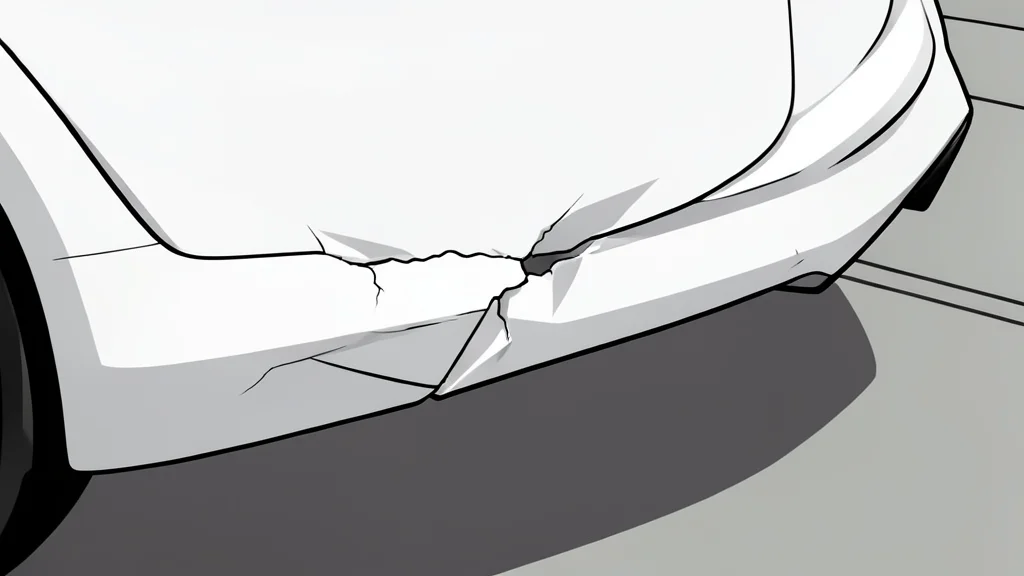
The concrete floor of the pit lane vibrates under the weight of stalled machinery. At WWT Raceway, the pre-race inspection bay is a sterile, high-stakes theater where millimeters decide careers. The No. 17 RFK Racing Ford and the No. 51 Rick Ware Racing Chevrolet sit under the harsh fluorescent glare, their tires cold, their drivers watching from the sidelines. Two failures. Two distinct moments of technical breakdown that halt momentum before it can even begin to build. The air is thick with tension, a physical weight that presses against the chests of the crew members frozen in place.
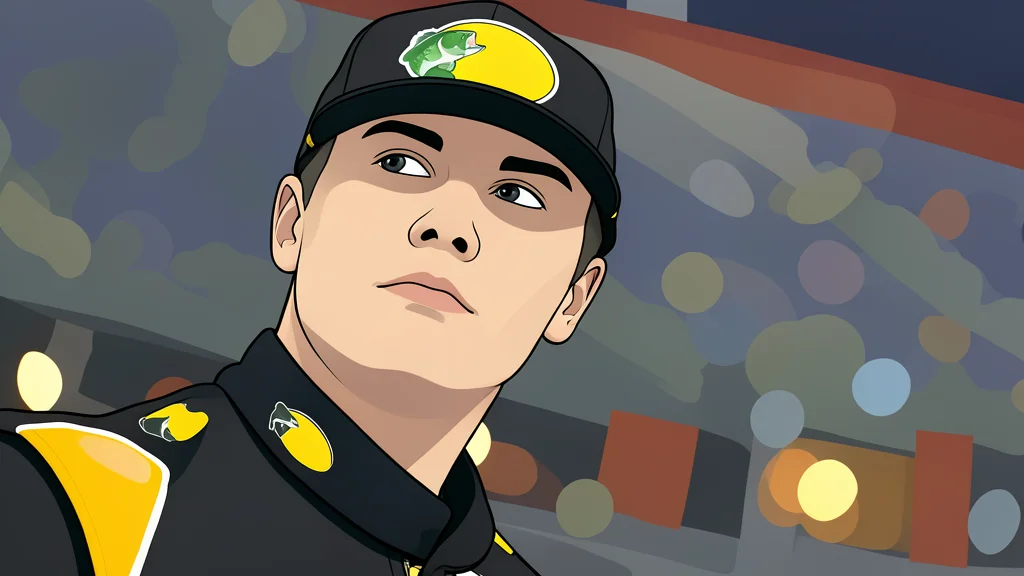
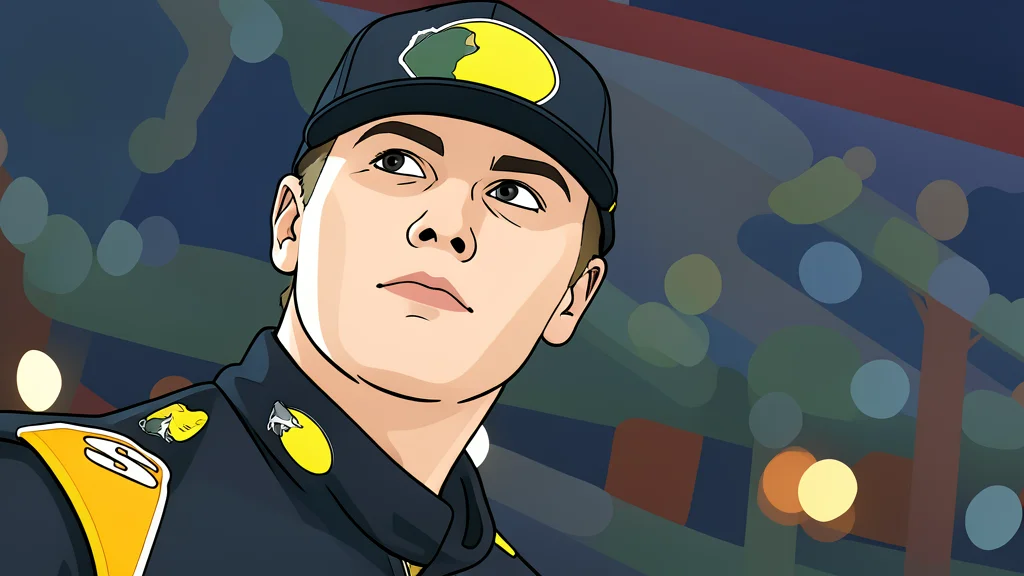
Chris Buescher, sitting 11th in the Chase, leads his team into this weekend with high stakes. Cody Ware, last among full-time drivers in 35th, faces a similar scrutiny. For both, the inspection line is not just a procedural hurdle but a gatekeeper of their competitive weekend. The repeated failures have triggered immediate consequences. Joshua Sisco, the car chief for the No. 17, and Dave Jones, leading the No. 51 effort, are ejected. They cannot participate further in the race weekend. Their authority is stripped away, leaving the teams to navigate the remaining hours without their primary strategists.
Pit stalls claimed by the unwanted
The penalties extend beyond the exclusion of the car chiefs. Sisco and Jones have lost their selected pit stalls. Regardless of how qualifying unfolds, Buescher and Ware will occupy the final two available spots on pit road. These are the positions no one else wants, tucked away at the edges, far from the prime real estate that offers better visibility and convenience. It is a tangible disadvantage, a physical reminder of the administrative error that has now become a strategic reality. The cars roll into these last stalls, their engines idling in a rhythm that feels slower than usual.
Slow laps and narrow escapes
In the practice session that follows, the mechanical unease persists. Both cars struggle to find pace. Buescher posts the slowest time among all 16 title contenders, finishing 35th. The feedback from the track is unyielding. The cars feel heavy, resistant to the driver's inputs. Yet, the inspection team works through the night, addressing the specific technical issues that caused the double failure. On the third attempt, both the Ford and the Chevrolet pass. This success is critical. A fourth failure would have resulted in a pass-through penalty during Sunday's race, a severe handicap that could have derailed any chance of contention. The pass on the third try avoids this costly outcome.
According to Motorsport.com, these inspection penalties are fairly common in the sport. They do not always derail a weekend, but they certainly disrupt the flow. The immediate danger was averted, but the shadow of the failures lingers. The teams must now focus on performance, trying to overcome the loss of their car chiefs and the disadvantage of their pit positions. The race on Sunday will be a test of resilience, of how well the crews can adapt to these unexpected variables. The concrete dust settles, the engines rev, and the drivers prepare to compete under circumstances that were not part of their original plan.