Pit Road Chaos at Gateway: Multi-Car Crash Halts Race
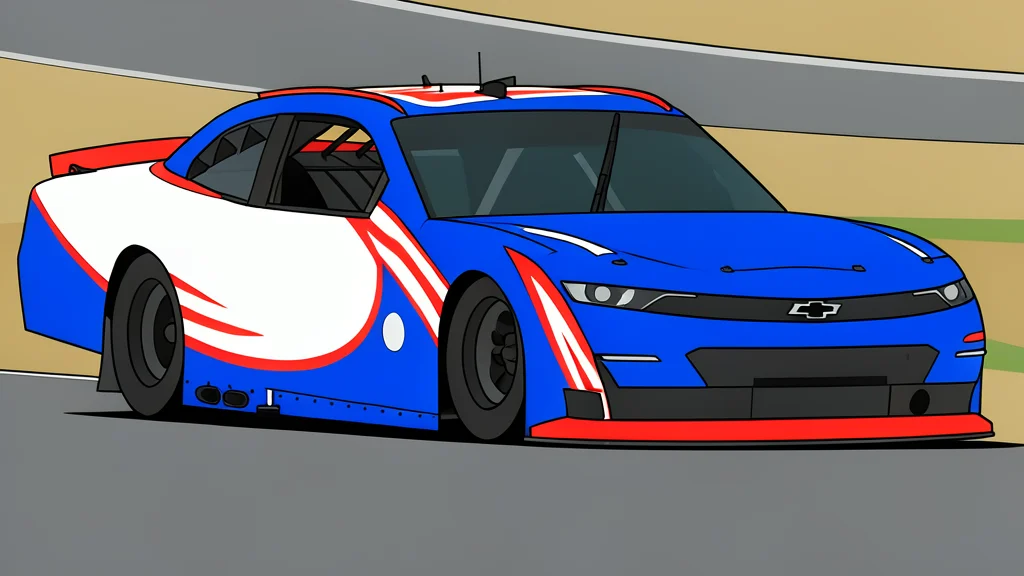
Tires screeching against asphalt, a spin at the pit entrance, and a wall of metal that stopped the race dead.
The air in Madison, Illinois, hangs thick with the scent of burnt rubber and hot oil. It is a rare sight at World Wide Technology Raceway, a track where the big collisions are usually reserved for the high-speed turns, not the low-slung entry to the pit lane. On September 12, that expectation shattered during the Nu Way 225. The Nu Way 225 is not just a race; it is a test of nerves, and on Lap 49, those nerves snapped. The stage break caution had just been waved, signaling a pause in the rhythm, but the chaos was about to accelerate.
Rajah Caruth’s car began to drift, the rear sliding out as it approached the pit box entry next to Brent Crews’ stall. The spin was sudden, violent, and immediate. It was not a minor brush; it was a trigger. The physics of the moment turned a single vehicle’s instability into a cascading failure. Cars that were inches away had no time to react. The stack-up collected Nick Sanchez, Harrison Burton, Anthony Alfredo, and Jeremy Clements, among others. The noise was deafening, a symphony of metal crumpling and glass shattering that echoed off the concrete walls. For a few seconds, the orderly flow of the pit lane dissolved into a tangle of steel and debris.
Metal and Crews in the Lane
The aftermath was a barricade of twisted chassis. The cars of Caruth and Sanchez slammed into Crews’ vehicle, the impact severe enough to push the car into the crew members working in the box. The scene on pit road was a tableau of danger, with multiple vehicles interlocked in a way that blocked the entire lane. According to Yahoo Sports, the broadcast confirmed that Crews’ crew members were okay despite the direct contact, a relief that cut through the tension. Brandon Jones also suffered contact, his front end taking major damage as he became part of the growing pile. The pit lane, usually a corridor of precision and speed, had become a bottleneck of wreckage.
Red Flag Overstages the Grid
More than half the field found themselves stranded behind the blockade. The red flag dropped, a bright, urgent signal that froze the race in time. For several minutes, the only movement was the slow, deliberate work of clearing the debris. The silence of the stopped race was heavy, broken only by the hum of idle engines and the clatter of tools. Sanchez, Clements, and Burton had gone beyond the wall, their cars resting in the grass or against the barriers, while the others waited in a long, frustrated line. The cleanup was a race against the clock, a logistical puzzle that had to be solved before the green flag could ever be waved again.
Resuming Amidst the Debris
When the red flag finally lifted, the cars began to move again, but the rhythm was different. The other vehicles behind the melee were allowed to make their pit stops, the lane now clear but scarred. The incident at Gateway was a stark reminder that even in the controlled environment of a pit lane, danger is always present. The asphalt, marked with white lines and black tire trails, bore the evidence of the crash. It was a moment that disrupted the flow, tested the safety protocols, and left a lasting impression on the drivers and crew members who witnessed it. The race continued, but the memory of that spin on Lap 49 remained etched in the minds of everyone at the track.