Asian Games Struggle: Empty Stadiums and Missing Buses
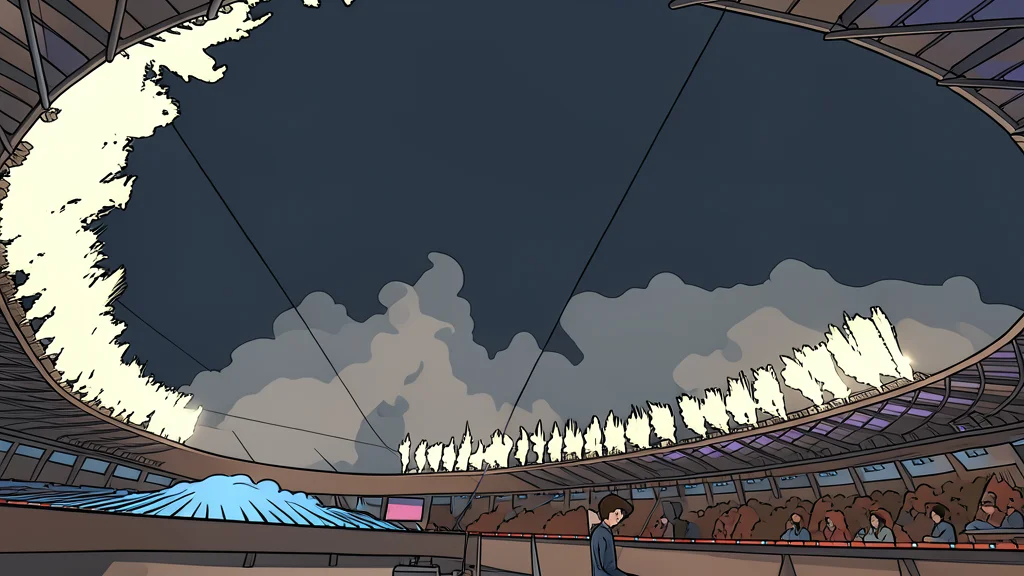
Nagoya’s opening ceremony shimmered with color, but the glow couldn't hide the logistical chaos that has gripped the Asian Games, from missing shuttles to cramped housing.
The Mizuho Park Athletic Stadium hums with a strange, hollow energy. Rain slicks the concrete, reflecting the neon bursts of the opening ceremony that finally broke the gloom. It is a spectacle of light and sound, designed to wash away the tension of the past week. Yet, the air still carries the scent of wet earth and unresolved friction. The fans who remained are a sparse crowd, their cheers punctuated by the distant rumble of thunder. This is not the roaring cauldron of a typical sporting event; it is a performance staged under a heavy, gray sky, where every smile seems to cost extra effort.
Japan’s first gold medal arrived on Sunday, Takumi Hojo powering through the triathlon course with mechanical precision. The victory was clean, a sharp blade cutting through the clutter of complaints. But the medal sits heavy in the context of the days leading up to it. The build-up to the Aichi-Nagoya Asian Games has been a series of stumbles, each one dragging the event into the mud of public criticism. The glitz of the ceremony is a bandage, not a cure. The underlying wounds of logistics and hospitality remain open, bleeding confidence from the host nation’s reputation.
Typhoon Shadows the Ceremony
The empty seats are a physical void in the 30,000-capacity arena. Typhoon warnings have kept spectators away, turning a potential sea of humanity into scattered clusters. The wind whips off the surrounding streets, carrying the threat of the storm that flooded parts of Nagoya last week. Husain Al-Musallam, director general of the Olympic Council of Asia, pointed to the Games flame as a reason for one empty block, claiming seventy percent ticket sales. This figure clashes sharply with stadium announcements that declared the event sold out. The discrepancy hangs in the air, a minor detail that feels like a major crack in the facade of control.
Tensions flared on Friday when Taiwan’s delegation hesitated to enter the welcoming ceremony. Sports minister Lee Yang, a former Olympic champion, was blocked from attending, a bureaucratic hurdle that turned into a diplomatic pause. The delegation’s temporary refusal highlighted the fragility of the event’s smooth operation. Every step forward requires constant negotiation, every gesture carries the weight of potential offense. The atmosphere is thick with unspoken grievances, simmering beneath the surface of the official protocol.
Housing Chaos and Cramped Quarters
The traditional games village is a ghost, replaced by a patchwork of hotel rooms, temporary wooden containers, and a floating cruise ship. This makeshift solution for 17,000 athletes has become a source of friction. South Korean basketball players report cramped conditions at Garden Pier, their movement restricted by the narrow confines of the structures. Double bookings and mix-ups have left teams in disarray, with hosts Japan included in the list of those finding the arrangements below par. The cost-cutting measures have backfired, turning a place of rest into a site of complaint.
India’s cricket board took matters into its own hands, moving its star-studded men’s team to a separate hotel. The bed allocations were tight, forcing a decisive break from the central system. The Indian diaspora in Nagoya stepped in, with two thousand families offering homes to their country’s athletes. This grassroots intervention underscores the gap between the organizers’ vision and the athletes’ reality. IOC President Kirsty Coventry expressed surprise at the setup, claiming to be impressed, a sentiment that feels detached from the ground-level struggles. The priority, she stated, is the overall experience, yet the details suggest a different narrative.
Transport Failures Derail Competitions
The South Korean men’s basketball team missed a critical practice session before their final against Japan. Their shuttle bus failed to appear at 10 a.m., leaving the players stranded without explanation. This was not an isolated incident. Earlier in the week, the men’s football team faced the same ghost bus, missing a scheduled pickup. In another instance, a vehicle took them to a baseball ground instead of the Mizuho Rugby Stadium, costing them thirty minutes of precious time. These are not minor delays; they are disruptions that erode the competitive edge. The silence from officials after each failure adds a layer of frustration, a deafening quiet that speaks louder than any apology.
The Asian Games, as reported by GN auto sports/multisport: Olympic Games, are now defined by these logistical ghosts. The anthem played, the lights flashed, and the medals were awarded, but the infrastructure beneath it all remains unstable. The athletes are performing in a system that frequently fails to meet their basic needs. The story of these games is not just about the scores on the board, but about the buses that never came and the beds that were not there. It is a test of resilience, not just for the competitors, but for the host nation’s ability to deliver a seamless event.