Emperor Naruhito Ignites the Asian Games in Nagoya
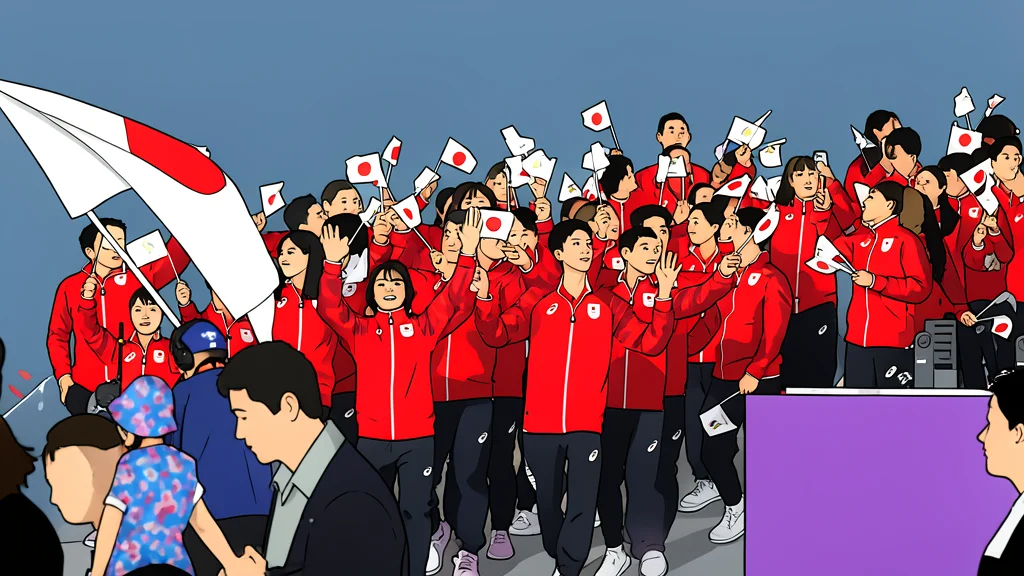
Under the watchful eyes of the Imperial family, the Aichi-Nagoya stadium ignited with the official start of the 20th Asian Games.
The air at Mizuho Park Athletic Stadium hummed with anticipation as Japanese Emperor Naruhito stood center stage, his voice cutting through the evening quiet to declare the 20th Asian Games open. It was a moment of profound weight, marking the official launch of a sixteen-day celebration of athletic prowess across Asia. The ceremony, attended by Empress Masako and the Crown Prince, set a tone of solemnity mixed with vibrant energy, a fitting prelude to the competition ahead.
Amidst the grandeur, a splash of color moved with playful agility. Honohon, the Games’ mascot, darted across the stage, embodying the event’s theme of a "Harmonic Heart Beat." Its presence softened the formality, injecting a sense of joy and movement that resonated with the thousands of spectators. The atmosphere was electric, a blend of traditional reverence and modern spectacle that defined the opening night in Nagoya.
A lineage of strength lights the flame
The climax of the evening belonged to two figures from the world of hammer throw. Murofushi Koji, the Olympic champion, stood shoulder to shoulder with his father, Shigenobu, a five-time Asian champion. Together, they approached the ornate cauldron, their movements synchronized in a display of generational strength. As they ignited the flame, the stadium erupted, the bright fire casting long, dancing shadows against the backdrop of traditional Japanese architecture.
The image was powerful: a father and son, linked by a shared discipline and a history of excellence. The fire burned steady and bright, a symbol of the enduring spirit of the Games. This moment, captured in the hearts of the audience, served as the definitive spark for the competition, bridging the past achievements of Japanese athletics with the future promises of the current generation.
A stage of culture and scale
Beyond the athletic focus, the ceremony wove in rich cultural tapestries. A kabuki actor took flight across the center stage, a dramatic spectacle set against a detailed model of Nagoya Castle. The visual contrast was striking, blending dynamic performance with historical symbolism. This artistic flourish reminded viewers that the Games are more than just sport; they are a showcase of the host nation’s identity and heritage.
The scale of the event is immense, with over 15,000 athletes from 45 countries and regions gathered for 43 disciplines. Japan, the host, fields the largest delegation with 933 athletes. This is the third time the Asian Games have been held on Japanese soil, following Tokyo in 1958 and Hiroshima in 1994. The familiarity of the setting adds a layer of comfort and expectation, as the nation prepares to welcome the world once again.
The road to the closing ceremony
With the cauldron burning brightly, the sixteen days of competition have officially begun. The athletes are now on the field, their focus sharpened, their goals defined. The journey ahead is filled with potential, with every jump, throw, and sprint carrying the weight of national pride. The spirit of the opening ceremony lingers, a reminder of the unity and harmony that underpin the event.
As the crowd disperses, the energy remains, a quiet buzz that will fuel the days to come. The Games are underway, a testament to the power of sport to bring people together. The flame at Mizuho Park stands as a beacon, guiding the athletes through their challenges and celebrating the shared human experience of competition.