Guardians of the Dabba: India's Kabaddi Squads Ready for Aichi-Nagoya
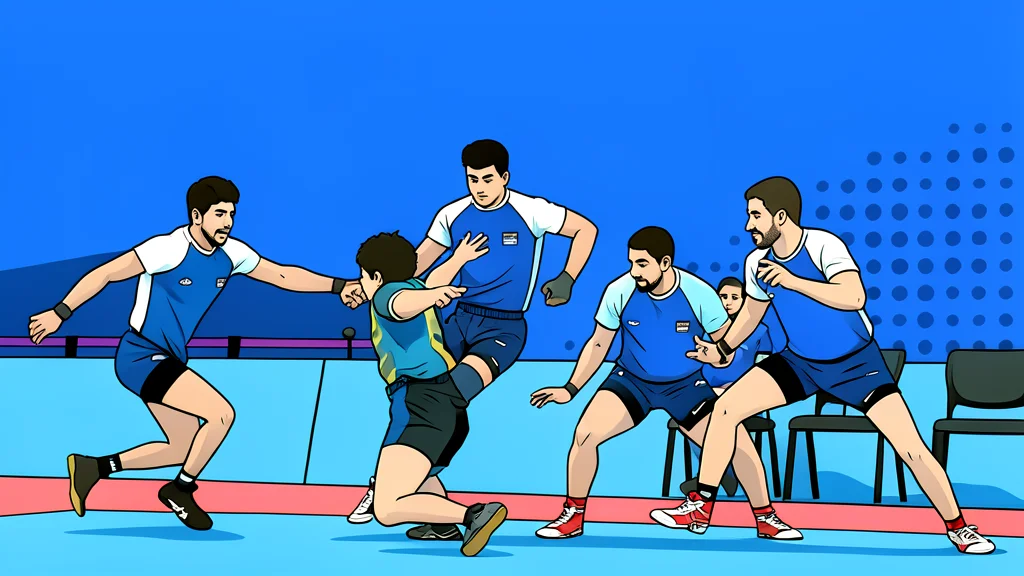
The polished wood of the arena waits. India’s defending champions step onto the boundary line, carrying the weight of history and the hunger for more gold in Japan.
The air in the Aichi-Nagoya arena is still, but the tension is electric. Twenty-four players stand at the edge of the white lines, their eyes fixed on the central rectangle where the next battle will unfold. This is not just another match; it is a homecoming for the sport’s biggest stars. The men’s and women’s squads have arrived, sharpened and ready, bringing the raw power of Indian kabaddi to the continental stage.
Leadership is clear. Pushpa Rana and Ritu Negi anchor the women’s team, their experience a shield against the pressure. On the men’s side, Sunil Kumar leads a group that includes Ayan Lohchab and Devank Dalal. The rhythm of their training has settled into a steady beat. They are the defending champions, entering the competition with a history that glows against the backdrop of the Asian Games.
Defending the Gold Standard
History is a heavy cloak, and India wears it well. In Hangzhou 2023, the men’s squad outmaneuvered Iran in a final that ended 33-29, securing another title for a nation that has claimed eight gold medals in the men’s event. The women’s team carries a similar legacy, with three continental golds to their name. These are not just teams; they are a dynasty of the mat.
The medal count tells the story of dominance. Thirteen total medals, including eleven golds, place kabaddi among the top five sports for India at these games. The silver and bronze are distant memories compared to the sheer volume of gold. This depth of success creates an expectation that is both a burden and a fuel. The players know the standard. They know the weight of the trophy.
Navigating The Group Stage
The path to the podium is paved with specific dates and opponents. The men’s team faces a formidable Group A, sharing the bracket with Bangladesh, South Korea, Chinese Taipei, and Japan. The first clash against Japan is set for September 21, a morning match that will set the tone. The fixtures are tight, with back-to-back challenges against South Korea and Bangladesh following immediately.
For the women, the group is equally tough. They are drawn with Iran, Japan, and Bangladesh. Iran is a familiar rival, a team that knows the Indian style intimately. The top two from each group will advance to the finals, meaning every point is a lifeline. The schedule runs from September 21 to 26, culminating in the final at 2:30 PM IST.
Diplomatic Support In Tsukuba
Beyond the arena walls, the support system is active. Ambassador Nagma M. Mallick visited the Indian athletics team during their pre-camp at the University of Tsukuba. While the kabaddi players focus on their drills, the diplomatic presence signals a broader commitment to India’s sporting goals in Japan. It is a quiet affirmation of the nation’s backing.
The atmosphere in Aichi-Nagoya is building. The wooden floors are polished to a mirror shine, reflecting the intense gaze of the players. As GN auto sports/multisport: Asian Games reports, the teams are ready. The boundary lines are drawn. The only thing missing is the whistle. The game is about to begin.