India Targets First Gold as Women's Cricket Meets Sri Lanka
India's women's cricket team faces Sri Lanka for gold on Day 4, while PV Sindhu leads a clash with hosts Japan in badminton.
Key points
- India's women's cricket team plays Sri Lanka for the gold medal on September 22.
- PV Sindhu and the Indian badminton teams face hosts Japan in quarterfinal matches.
- Shooting and wushu events provide early medal opportunities before the cricket final.
The air in the arena hums with a specific, electric tension as India steps onto the field for the women's cricket final against Sri Lanka. It is a moment of crystalline clarity, a chance to convert a steady accumulation of silver and bronze into the gleaming, definitive gold that has eluded the squad thus far. The bat grips the stumps, the pitch awaits the first delivery, and the weight of the tournament rests on the shoulders of a team already guaranteed a podium finish.
This contest arrives as the centrepiece of a dense, sprawling schedule on September 22. As the cricketers prepare to chase the title, the broader Indian contingent is already locked in across multiple disciplines. The day is a marathon of precision, from the sharp report of air rifles to the fluid, controlled strikes of wushu, creating a mosaic of athletic endeavour that defines the spirit of the 2026 Asian Games.
Shooting and wushu open the morning
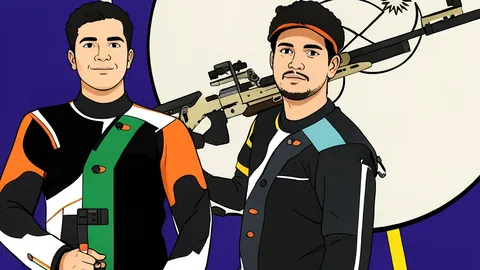
Long before the cricket match begins, the shooting range buzzes with quiet intensity. Elavenil Valarivan, already a double silver medallist, returns to the firing line alongside Parth Rakesh Mane for the 10m air rifle mixed team event. Their focus is absolute, each breath controlled, each trigger pull a test of nerve against the clock. The qualification round starts early, setting the tone for a day where milliseconds and millimetres determine the outcome.
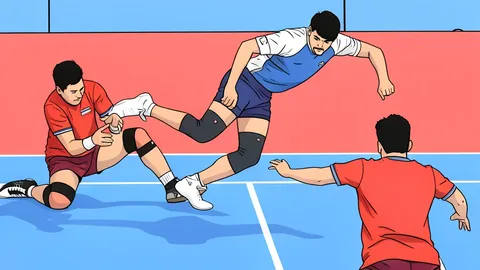
In the wushu arena, the atmosphere shifts to a different kind of discipline. Hanjabam Langlentombi Devi prepares for the women's Nanquan and Nandao final, her movements a dance of power and grace. Simultaneously, karate athletes like Chetan Bhatt and Alisha navigate the knockout brackets, their strikes sharp and decisive. These early medal opportunities provide a crucial foundation, building momentum for the later events.
Badminton stars clash with host Japan
The shuttlecock flies with deadly precision as India’s badminton teams take on hosts Japan in two high-stakes quarterfinals. PV Sindhu anchors the women’s side, her experience a beacon in a field crowded with aggressive opponents like Unnati Hooda and Devika Sihag. The men’s team, featuring Lakshya Sen and Kidambi Srikanth, faces a formidable challenge from the Japanese squad later in the morning.
These matches are more than just games; they are gateways to the semifinals. The court echoes with the rapid-fire exchange of smashes and net shots, each point a battle of endurance and tactical acumen. As the badminton action unfolds, it offers India a significant opportunity to reshape its medal prospects, adding potential depth to the tally before the day concludes.
Hockey closes the day's action
The day’s athletic journey reaches its conclusion on the hockey turf, where the men’s team faces Sri Lanka in Pool A. The grass is damp, the sticks heavy with the effort of the day, and the players move with the coordinated fluidity of a well-oiled machine. This match serves as the final act of a comprehensive programme that has tested India’s breadth across dozens of sports.
As reported by Hindustan Times, this day is a critical juncture for the Indian team. With medals already secured in shooting and martial arts, the focus now shifts to converting strong performances into top-tier results. The convergence of cricket, badminton, and hockey creates a narrative of sustained excellence, proving that India’s dominance is not isolated to a single event but is woven into the fabric of their entire campaign.